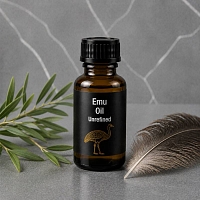
Emu Oil for Skin Recovery Formulas and Sports Care Products
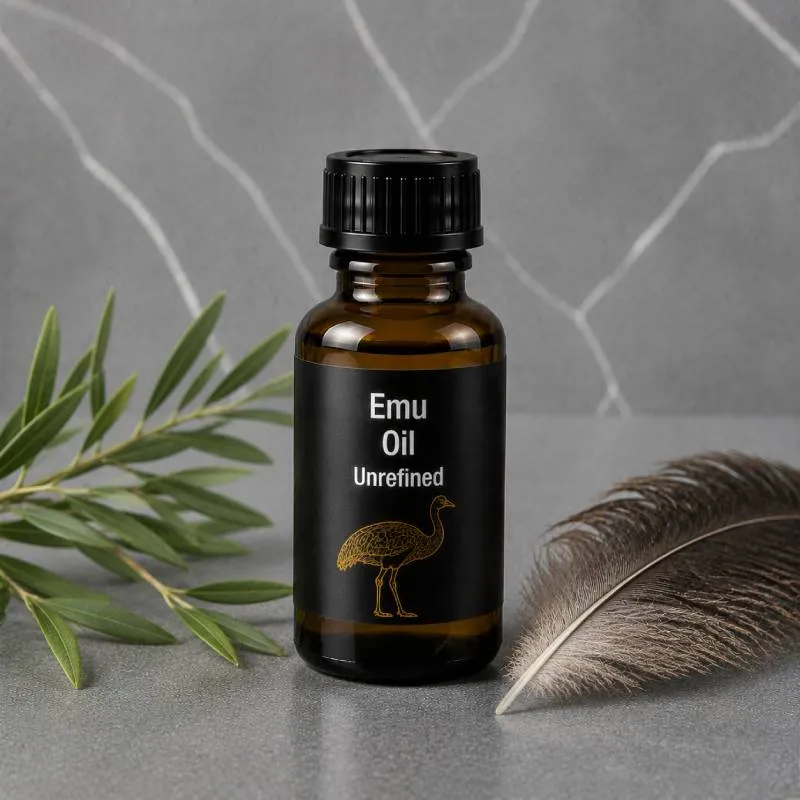
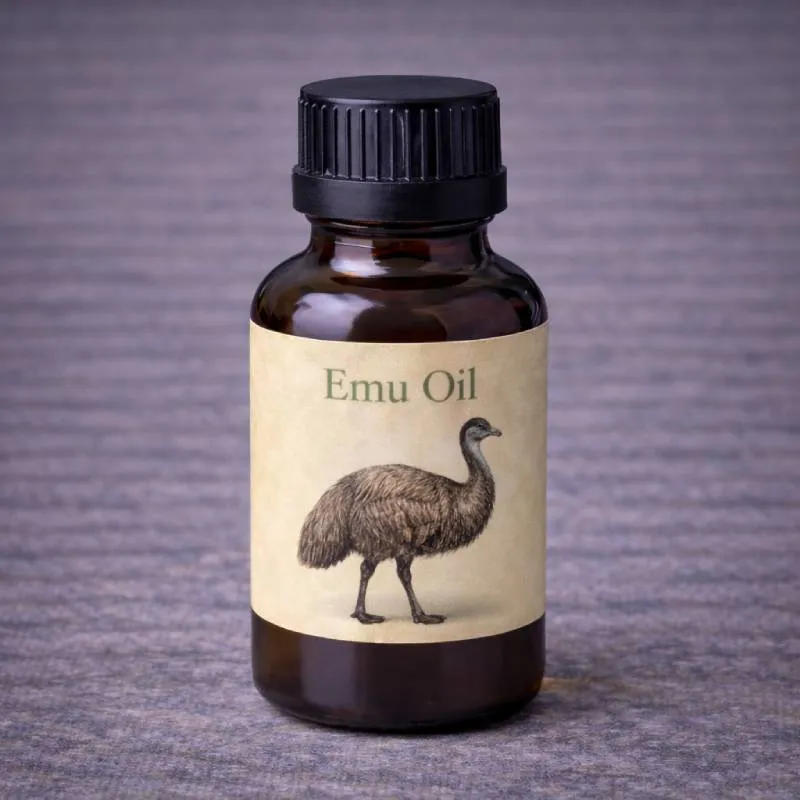
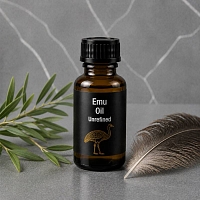
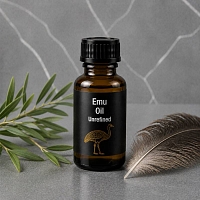
Emu oil is derived from the fat of the emu bird and has earned a firm place in global cosmetic manufacturing as a lightweight, fast-absorbing emollient. It belongs to our category of Liquid Basic Oils and is widely used by formulators of creams, balms, serums and massage blends. The 500 g size is well suited for studio-scale and small-batch production, giving manufacturers enough material to develop a full product line or run several test batches without excess inventory sitting on the shelf.
Across the world, emu oil is most commonly used in skin care for dry and rough areas, in sports and recovery blends aimed at soothing muscles and joints after physical activity, in professional massage oils for spas and salons, and in hair and scalp care formulas. It is frequently added to post-depilation balms, hand and foot creams, and body oils designed for daily use. Another significant niche is veterinary grooming products, where emu oil is valued for its softening effect on animal skin and coat.
In formulation work, emu oil pairs well with other liquid ingredients. Small amounts of Garlic Oil Natural can be added to boost the toning profile of a blend, while Fractionated Coconut Oil is often combined with emu oil to create lightweight serums that absorb quickly without a greasy residue. For brow and lash care formulas, some manufacturers combine emu oil with Wrightia Tinctoria Oil to achieve a more complex conditioning effect.
Emu oil should be introduced into a formulation during the cooling phase of the oil base, at a temperature no higher than 40-45 degrees Celsius, to preserve the integrity of its fatty acids. Typical usage rates in creams and balms range from 5 to 20 percent of the total formula weight, while the neat oil is also used on its own for massage or spot application on rough skin. It blends readily with vegetable oils, waxes, emulsifiers and other oil-soluble active ingredients, making it a flexible component in more complex recipes.
Emu oil is often used as a softening agent in formulas for dry skin.
Store emu oil in a tightly sealed container, in a cool, dark place away from direct sunlight and heat sources to slow down oxidation of the fatty acids. Once opened, use the product within the timeframe indicated on the label and minimize repeated exposure to air.
Soothing Body Balm for After Workout Care
Emu oil 45 ml
Fractionated coconut oil 20 ml
Beeswax 12 g
Shea butter 15 g
Vegetable emulsifier 5 g
Distilled water 100 ml
Melt
the beeswax, shea butter and emulsifier together in a double boiler at around
60 degrees Celsius, then warm the distilled water separately to the same
temperature. Stir the emu oil and fractionated coconut oil into the melted wax
phase, then slowly pour in the warm water while whisking continuously until a
smooth emulsion forms. Remove from heat and continue stirring until the mixture
cools to room temperature, then transfer the finished balm into a clean jar for
storage.
INCI name for label declarations: Emu Oil.
FAQ
What is the shelf life of Emu Oil and how to detect rancidity?
The indicated expiration date is 10.2028. Signs of spoilage and storage recommendations are listed on the label or specification sheet available on request.
Which documents accompany Emu Oil and how to obtain the COA?
Current documents for this product are listed in the «Documents» block of the product card.
How is Emu Oil extracted and does the method affect its quality?
It is obtained by extraction and fractionation from fat deposits. Detailed process information is provided in the product specification on request.
What is the recommended input percentage for Emu Oil and in which phase is it added?
The suggested usage range is from minimal amounts up to 20 %. Phase of addition and exact dosage are stated in the formulation guidelines or specification.