-
 Absolutes
-
 Active Complexes
-
 Actives & Peptides
-
 Amino Acids & Proteins
-
 Food Flavors
-
 Ayurvedic Ingredients & Herbs
-
 Vitamins & Coenzymes
-
 Chocolate Making Supplies
-
 Thickeners & Gelling Agents
-
 Hydrosols & Floral Waters
-
 Hydrolyzed Proteins
-
 Fragrance Ingredients
-
 Nutraceutical Ingredients
-
 Acids, Salts, Alcohols & Alkalis
-
 Preservatives & Antioxidants
-
 Cosmetic Ingredients
-
 Colorants, Micas & Glitters
-
 Masks, Scrubs & Botanicals
-
 Oils & Butters
-
 Candle Making Supplies
-
 Melt and Pour Soap Bases
-
 Cream, Lotion & Hair Care Bases
-
 Fragrance Oils & Industrial Aromatics
-
 Cleansing Agents & Surfactants
-
 Peeling Actives & Acids
-
 Cosmetic Powders
-
 Solvents & Humectants
-
 Silicones & Conditioning Agents
-
 Bottles, Jars & Vials
-
 Silicone & Plastic Molds, Tools
-
 Botanical Extracts
-
 Cosmetic Emollients
-
 Emulsifiers
-
 Essential Oils


Metallic Mica Powder

 Add to cart








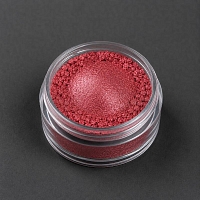


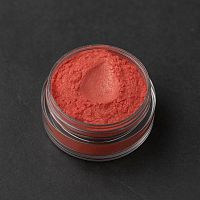


How this pigment behaves across different cosmetic bases
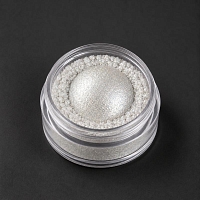
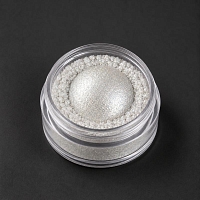
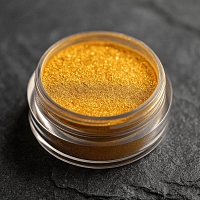
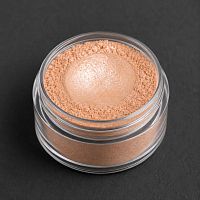
Metallic mica powder is a fine mineral based pigment coated to produce a reflective metallic sheen rather than a flat matte tone. It comes in a range of shade families from silver and gold to bronze copper and colored metallic tones with particle sizes suited to different levels of shimmer intensity. Formulators use it as a standalone colorant or blend several shades to build custom effects.
The pigment disperses into oil and wax based systems as well as anhydrous powders, making it suitable for lotions creams lip products eyeshadow and pressed powder bases, bath products, and molded cosmetic items where a metallic surface finish is desired. Because particle size affects how light reflects off the finished product, coarser grades give a bolder sparkle while finer grades create a soft satin glow, which is why many buyers order a couple of grain sizes within the same shade to test results before committing to a larger batch. For finer sparkle effects in the same product lines, some formulators also reach for glitters, while liquid pearl concentrates such as liquid metallic pearl suit pourable formulas where a dry powder would clump.
Shade families and particle grades
Within this range, tones split into cool metallics such as silver pearl metallic powder and blue pearl metallic powder, warm shades like metallic pigment powder gold, and deeper jewel tones such as metallic powder burgundy. A near neutral option like metallic powder pearl works as a base tone that lightens or softens bolder shades once blended.
At the darker end of the spectrum, metallic powder black reads almost graphite under direct light, useful where a formulator wants depth without switching to a flat matte pigment. Grain size matters as much as color: coarser cuts throw visible glints and work well in molded pieces or pressed products meant to be viewed at a distance, while finer micronized grades disperse more evenly through creams and lotions without a gritty feel on skin.
Choosing a shade and pairing it in a formula
Selection usually comes down to the base system first. Oil and wax phases accept the powder directly during the cooldown stage, while water based formulas often need the pigment pre-dispersed in a small amount of oil or glycerin to avoid clumping. Loading rate should stay low and be built up gradually, since metallic mica reflects light so efficiently that a small percentage already changes the finish noticeably.
Because this is a raw ingredient rather than a finished item, the same jar of pigment moves across very different product types: a cream base, a lip balm, a pressed eyeshadow pan, a bar soap alternative, or a bath product with a shimmering surface. For softer diffusion effects layered under a metallic base, some formulators combine it with a mother of pearl silver scrub for added texture, and where a finer, sparkling top note is wanted alongside the metallic sheen, fluorescent glitters pair well in the same batch.
Origin and storage
FAQ
What is the difference between fine and coarse grades of metallic mica powder?
Fine grades create a soft satin glow with subtle light reflection, ideal for lotions and creams. Coarse grades deliver a bolder, more visible sparkle, often preferred in pressed powders, bath products, and molded items where a dramatic metallic finish is the goal.
Can metallic mica powder be used in both oil based and water based formulas?
It disperses well into oil and wax based systems and anhydrous powders, but does not suspend evenly in pure water based formulas without a suitable dispersing agent. For pourable water based products, a liquid metallic pearl concentrate is usually a better fit.
How much metallic mica powder should be added to a cosmetic base?
Usage levels vary by desired intensity and base type, typically starting at low percentages and adjusted upward for stronger shimmer. Testing a small batch first helps confirm color payoff and dispersion before scaling to a full production run.
How should metallic mica powder be stored to keep its shine consistent?
Keep it in a sealed, dry container away from direct sunlight and moisture. Humidity can cause clumping, which affects how evenly the pigment disperses into a base and may dull the reflective finish over time.
Recommendations
When choosing a metallic mica shade, order a small sample of one or two particle sizes within the same color family and test dispersion in your actual base before committing to a bulk quantity, since undertone and sparkle intensity can shift depending on the carrier used. Consider whether your formula calls for a bold reflective finish or a softer satin effect, and pair coarse and fine grades if you want more control over the final look. Reach out by email with your target application and shade preferences, and our team will help match the right grade to your production needs.



