-
 Absolutes
-
 Active Complexes
-
 Actives & Peptides
-
 Amino Acids & Proteins
-
 Food Flavors
-
 Ayurvedic Ingredients & Herbs
-
 Vitamins & Coenzymes
-
 Chocolate Making Supplies
-
 Thickeners & Gelling Agents
-
 Hydrosols & Floral Waters
-
 Hydrolyzed Proteins
-
 Fragrance Ingredients
-
 Nutraceutical Ingredients
-
 Acids, Salts, Alcohols & Alkalis
-
 Preservatives & Antioxidants
-
 Cosmetic Ingredients
-
 Colorants, Micas & Glitters
-
 Masks, Scrubs & Botanicals
-
 Oils & Butters
-
 Candle Making Supplies
-
 Melt and Pour Soap Bases
-
 Cream, Lotion & Hair Care Bases
-
 Fragrance Oils & Industrial Aromatics
-
 Cleansing Agents & Surfactants
-
 Peeling Actives & Acids
-
 Cosmetic Powders
-
 Solvents & Humectants
-
 Silicones & Conditioning Agents
-
 Bottles, Jars & Vials
-
 Silicone & Plastic Molds, Tools
-
 Botanical Extracts
-
 Cosmetic Emollients
-
 Emulsifiers
-
 Essential Oils
- Ingredients for Bath Bomb and Fizzer 218
- Soap Bouquet Crafting Materials 521
- Slime Supplies: Ingredients and Additives 560
- Shampoo ingredients 393
- DIY Perfume Supplies 986
- Deodorant Components 90
- Cold process soap ingredients 96
- Components for lipstick, balm, lip gloss 374
- Sun protection components 253
- Components for washing powder 62
- Bath products 88
- Ingredients for cleaning products 71
- Ingredients for Alginate Masks 36
- Shampoo Ingredients Wholesale 501
- DIY Perfume Supplies Wholesale 1050
- Chocolate Ingredients Wholesale 71
- Components for washing powder Wholesale 64
Shampoo ingredients
 Add to cart




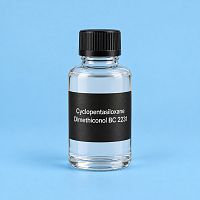


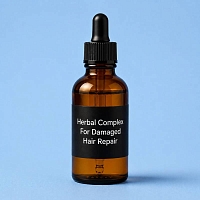
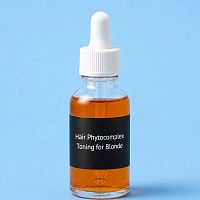


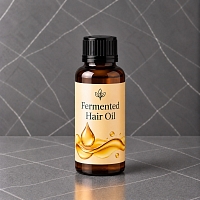
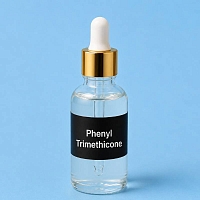
Building cleansing and conditioning formulas from raw materials
This section brings together surfactants, conditioning agents, thickeners and functional additives used to build liquid cleansing formulas for hair and scalp. Buyers here are formulators sourcing raw materials for shampoo bases, from mild sulfate-free cleansers to clarifying and volumizing formulas, rather than finished retail bottles.
The same surfactant or conditioning agent rarely serves a single purpose. A mild primary cleanser might anchor a sensitive-scalp formula in one batch and a co-wash conditioner in another, while cationic polymers used for detangling in one recipe can double as anti-static agents in a leave-in spray. Formulators working across several product lines often draw on adjacent categories too, pulling texture and color cues from ingredients for bath bomb and fizzer production or sourcing complementary raw materials from a wholesale ingredient range built for varied batch sizes.
Because formulation goals vary so widely, from clarifying shampoos to color-safe or curl-defining bases, ingredient selection depends on the finished texture, foam profile and rinse-off behavior a formulator is targeting rather than any single fixed recipe.
Functional categories within this range
Raw materials in this range split into a few practical groups rather than a single ingredient type. Film-forming proteins and conditioning actives, such as Collagen 50 ml, Collagen 25 ml and Silk Protein 5 ml, sit alongside surfactant bases meant to carry a formula's foam and rinse-off feel, including Soap Base Concentrate 100 ml and Body Wash Organic Base 100 ml. A third group covers oil blends built for the scalp and hair fiber itself, such as Hair Growth Oil Blend, 30 ml and Hair Moisturizing Oil Blend 30 ml. Each group behaves differently in a batch: proteins and conditioning actives modify slip and manageability, surfactant concentrates define cleansing strength and lather density, while oil blends adjust richness and shine without changing the base foam system.
Choosing raw materials and building a formula
Selection usually starts with the finished texture a formulator wants, not with a fixed recipe. A lightweight, fast-rinsing shampoo calls for a milder surfactant concentrate paired with a low dose of a film-forming protein, while a richer conditioning wash leans on a fuller-bodied base plus an oil blend for extra slip. Silk protein and collagen fractions are often combined in the same batch at different percentages, one for detangling and one for a smoother hair surface, rather than used interchangeably. Formulators refining color-safe or curl-defining bases frequently test several oil blends side by side before settling on a final ratio, since even small changes in oil load shift how a formula rinses out.
Origin and storage notes
Raw materials in this range come from a mix of suppliers across Germany, France, the United Kingdom, the United States, Spain, India and South Korea, giving formulators a choice between long-established European actives and newer options from Asian and American producers. Most concentrates and oil blends keep their properties best in a cool, dark storage area away from direct heat, with containers kept tightly closed between uses to limit oxidation. Smaller trial sizes are useful when testing a new blend for the first time, before committing to a larger batch once the ratio is confirmed. Formulators building a wider skin or bath care line sometimes cross-reference the cold process soap ingredients range for complementary bases used in adjacent product lines.
FAQ
What is the difference between anionic and amphoteric surfactants in a shampoo base?
Anionic surfactants provide strong foam and cleansing power, making them the backbone of most formulas, while amphoteric surfactants are milder, help balance the overall charge and reduce irritation potential. Combining both types typically produces a formula with better foam quality and a gentler feel on the scalp.
Can these raw materials be used to formulate a sulfate-free shampoo base?
Yes, many primary cleansers in this range are sulfate-free alternatives that still deliver good foam and rinse-off behavior. Formulators typically pair them with a secondary co-surfactant and a compatible thickener to reach the target viscosity without relying on harsher anionic surfactants.
How do conditioning agents affect the texture of a finished shampoo?
Conditioning agents such as cationic polymers and silicones smooth the hair surface, reduce static and improve wet and dry combing. Their concentration also influences how the final formula rinses out, so small adjustments can shift a base from lightweight to richly conditioning.
How should liquid surfactants and conditioning raw materials be stored before use?
Keep containers tightly closed, away from direct sunlight and at stable room temperature to prevent phase separation or viscosity drift. Once opened, use within the timeframe noted on the label and avoid introducing water or contaminants into the container during measuring.
Recommendations
Choosing the right surfactant blend starts with the texture and foam profile you want in the finished formula, whether that is a light clarifying wash or a richly conditioning base. Check compatibility between primary and secondary surfactants, thickeners and any conditioning agents before scaling up a batch, and test small trial mixes first. If you are formulating across several product lines and need raw materials matched to a specific viscosity or foam target, reach out by email and we will help you select the right combination for your production plan.



