-
 Absolutes
-
 Active Complexes
-
 Actives & Peptides
-
 Amino Acids & Proteins
-
 Food Flavors
-
 Ayurvedic Ingredients & Herbs
-
 Vitamins & Coenzymes
-
 Chocolate Making Supplies
-
 Thickeners & Gelling Agents
-
 Hydrosols & Floral Waters
-
 Hydrolyzed Proteins
-
 Fragrance Ingredients
-
 Nutraceutical Ingredients
-
 Acids, Salts, Alcohols & Alkalis
-
 Preservatives & Antioxidants
-
 Cosmetic Ingredients
-
 Colorants, Micas & Glitters
-
 Masks, Scrubs & Botanicals
-
 Oils & Butters
-
 Candle Making Supplies
-
 Melt and Pour Soap Bases
-
 Cream, Lotion & Hair Care Bases
-
 Fragrance Oils & Industrial Aromatics
-
 Cleansing Agents & Surfactants
-
 Peeling Actives & Acids
-
 Cosmetic Powders
-
 Solvents & Humectants
-
 Silicones & Conditioning Agents
-
 Bottles, Jars & Vials
-
 Silicone & Plastic Molds, Tools
-
 Botanical Extracts
-
 Cosmetic Emollients
-
 Emulsifiers
-
 Essential Oils


CO2 Extracts
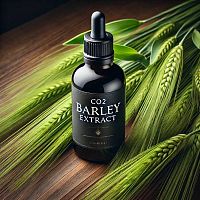
 Add to cart
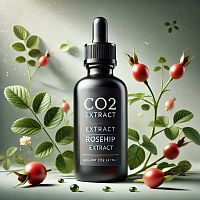
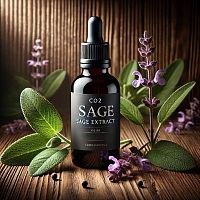
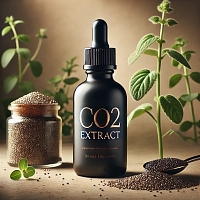
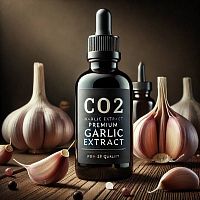
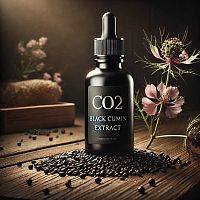
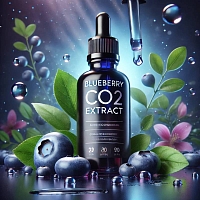
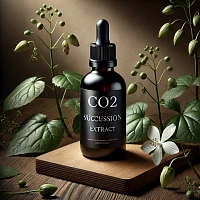
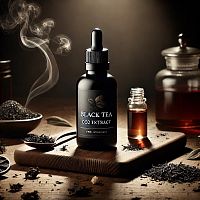
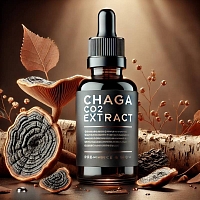
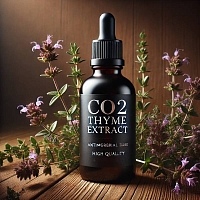
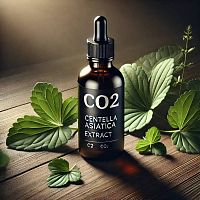
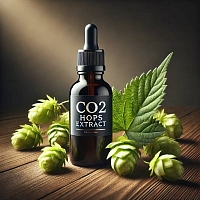
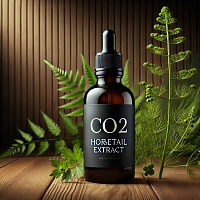
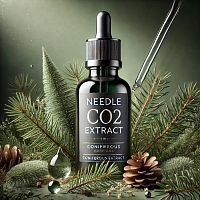
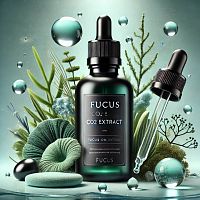
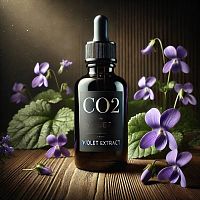
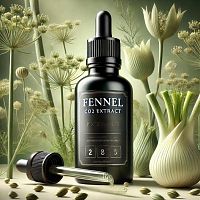
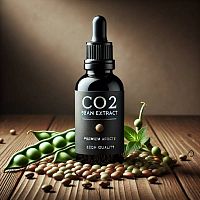
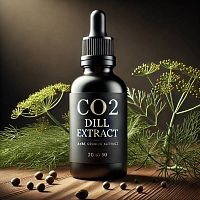
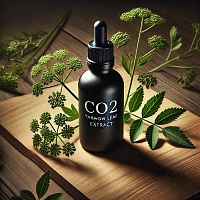
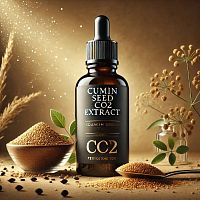
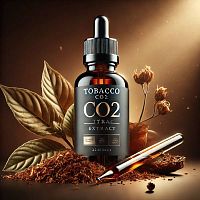
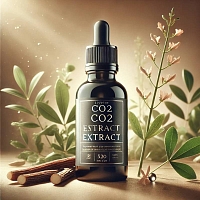
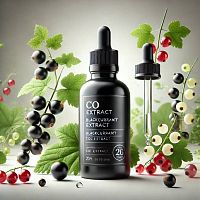
Concentrated botanical actives for creams and serums
CO2 extracts are plant concentrates obtained through supercritical carbon dioxide extraction, a solvent-free method that preserves a wider range of lipophilic compounds than steam distillation or alcohol maceration. The result is a dense, potent raw material used to enrich creams, serums, balms, and other cosmetic formulations with plant-derived actives. This catalog section includes extracts from seeds, roots, resins, and herbs, each carrying its own concentration of fatty acids, antioxidants, or aromatic compounds.
Formulators use CO2 extracts in small percentages, typically as part of the oil phase, to bring targeted properties into a base recipe without diluting it with carrier oil. They work well alongside conventional Liquid Extracts when a formula needs both a water-soluble and a lipid-soluble active in the same batch. Manufacturers producing larger volumes often review the Extracts Wholesale section to plan consistent supply across several product lines.
Because CO2 extraction avoids residual solvents, these concentrates are frequently chosen for premium serums and treatment-focused formulas where ingredient purity is part of the product story.
Range of Botanical CO2 Extracts
The section covers a broad mix of profiles: warming spice extracts such as Clove CO2 Extract 5 g and Nutmeg CO2 Extract 5 g, alongside cooling and soothing options like Peppermint CO2 Extract 5 g and Chamomile CO2 Extract 5 g. Floral and herbal concentrates, including Geranium CO2 extract 5 g and St. John's wort CO2 extract 5 g, bring a different chemical profile than seed or root-based extracts such as Chestnut CO2 Extract 5 g or Amaranth CO2 Extract 5 g. Some, like Complex CO2 Extract for Burns 5 g, are pre-blended multi-extract formulas rather than single-plant concentrates, giving formulators a ready combination instead of building one from scratch.
Choosing an Extract and Building a Formula
Selection usually starts with the function needed in the finished product rather than the plant name alone: a warming effect calls for pepper or clove type extracts, a calming or redness-reducing role points toward chamomile or geranium, while extracts like dill or red pepper carry more specific aromatic or stimulating properties. The Red Pepper CO2 Extract 5 g and Dill CO2 Extract 5 g illustrate this range well, as both can serve very different roles in a formulation despite belonging to the same extraction category.
Dosage is normally kept low, often under one percent of the total formula, since CO2 extracts are far more concentrated than infused oils or tinctures. They combine readily with carrier oils, butters, and emulsifiers in the oil phase, and formulators frequently pair a CO2 concentrate with a water-soluble ingredient from the Powdered Extracts and Algae range to address both phases of an emulsion in one recipe.
Origin and Storage
Extracts in this catalog come from suppliers in England, France, Ukraine, Germany, the United States, the Czech Republic, and Italy, reflecting differences in raw plant sourcing and extraction facilities. Because these are lipophilic concentrates sensitive to heat, light, and air exposure, they should be stored in tightly sealed original containers, away from direct sunlight, and used within the timeframe indicated on each batch to preserve their aromatic and active profile.
FAQ
What is the difference between a CO2 extract and a regular liquid extract?
CO2 extracts are lipid-soluble concentrates obtained through supercritical carbon dioxide extraction, carrying fatty acids and aromatic compounds without residual solvents. Liquid extracts are typically water or glycerin based and dissolve into the water phase, so the two serve different roles within the same formulation.
How much CO2 extract should be added to a cream or serum formula?
Most formulators use CO2 extracts at low percentages within the oil phase, since they are highly concentrated. Exact dosage depends on the specific plant source and desired effect, so testing in small batches before scaling up is recommended.
Can CO2 extracts be combined with other plant oils in one formulation?
Yes, CO2 extracts blend easily with carrier oils, butters, and other lipophilic ingredients during the oil phase. This allows formulators to build layered profiles combining a base oil with a more concentrated botanical active.
How should CO2 extracts be stored to preserve their properties?
CO2 extracts should be kept in tightly sealed containers, away from direct light and heat, ideally in a cool storage area. Proper sealing after each use limits oxidation and helps the concentrate retain its original composition over time.
What types of cosmetic products commonly use CO2 extracts?
CO2 extracts appear across creams, serums, balms, lip care, and treatment-focused formulations. Because they are added in small amounts, they suit both artisanal small-batch production and larger manufacturing lines needing consistent botanical input.
Recommendations
When choosing a CO2 extract, match the plant source to the function you need in the formula, whether that is fatty acid content, an aromatic profile, or a specific antioxidant complex, rather than picking by name alone. Compare concentration and intended dosage with your existing oil phase to avoid overloading a recipe. For production planning across multiple batches, check available lot sizes before committing a formulation to a single supply source. If you are unsure which extract fits your target texture or claim, send us the formulation details by email and we will help narrow down the right option from current stock.



