-
 Absolutes
-
 Active Complexes
-
 Actives & Peptides
-
 Amino Acids & Proteins
-
 Food Flavors
-
 Ayurvedic Ingredients & Herbs
-
 Vitamins & Coenzymes
-
 Chocolate Making Supplies
-
 Thickeners & Gelling Agents
-
 Hydrosols & Floral Waters
-
 Hydrolyzed Proteins
-
 Fragrance Ingredients
-
 Nutraceutical Ingredients
-
 Acids, Salts, Alcohols & Alkalis
-
 Preservatives & Antioxidants
-
 Cosmetic Ingredients
-
 Colorants, Micas & Glitters
-
 Masks, Scrubs & Botanicals
-
 Oils & Butters
-
 Candle Making Supplies
-
 Melt and Pour Soap Bases
-
 Cream, Lotion & Hair Care Bases
-
 Fragrance Oils & Industrial Aromatics
-
 Cleansing Agents & Surfactants
-
 Peeling Actives & Acids
-
 Cosmetic Powders
-
 Solvents & Humectants
-
 Silicones & Conditioning Agents
-
 Bottles, Jars & Vials
-
 Silicone & Plastic Molds, Tools
-
 Botanical Extracts
-
 Cosmetic Emollients
-
 Emulsifiers
-
 Essential Oils


Oil Extracts
 Add to cart






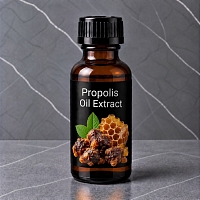
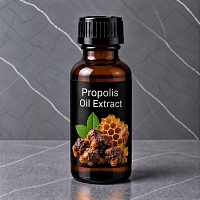
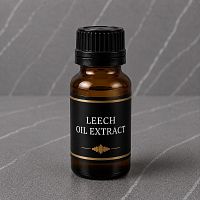


Lipophilic plant actives for creams, balms and serums
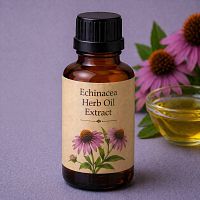
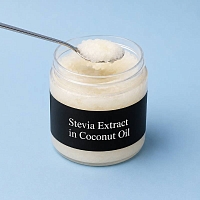
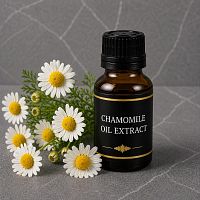
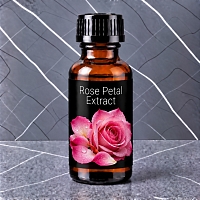
Oil extracts are concentrated infusions where plant material, such as flowers, roots, herbs or seeds, is processed in a lipid carrier so its fat soluble compounds transfer into the oil phase. The result is a ready to use ingredient that blends directly into fatty bases without extra emulsifying steps, giving formulators a fast way to add botanical character to a recipe.
Because these extracts are oil based, they integrate naturally into anhydrous and emulsion systems alike, including facial and body creams, balms, massage oils, lip care, hair oils and serums built on a fatty phase. Formulators also use them in barrier repairing blends and in leave on skin care where a water based extract would not disperse evenly. For recipes built around aqueous phases instead, our Liquid Extracts section offers water, alcohol and glycerin based alternatives that suit toners, lotions and rinse off products more directly.
Variety across the range
Within this category, extracts fall into distinct groups by the plant part processed and the effect it delivers. Root and bark derived infusions such as Willow Oil Extract carry astringent, clarifying compounds prized in oily and blemish prone formulas, while seed and bean based options like Green Coffee Oil Extract or Black Coffee Oil Extract lean toward toning and smoothing profiles for body care and firming blends.
Fruit derived oils such as Rosehip Oil Extract tend to sit well in facial serums and night formulas thanks to their lighter texture, whereas leaf and nut extracts, including Ginkgo Biloba extract and Witch hazel extract oil, are often chosen for their supportive role in balancing and refreshing skin care lines. Stimulant rich options like Guarana oil extract and targeted actives such as Ocea defense skin immunity extract extend the range further into specialty body and complexion formulas.
Choosing a variant and building a formula
Selection usually starts with the finished texture in mind. A lightweight facial serum calls for a thin extract that will not weigh down the fatty phase, while a balm or massage oil can carry a richer infusion such as Hemp Oil Extract without affecting spreadability. Concentration is another factor, since standardized percentages like the 25 percent grades found in several extracts here let formulators dose more precisely across a batch.
These oil extracts combine easily with carrier oils, butters, waxes and emulsifiers already used in a cream or balm base, and they layer well with actives from other formats. For a formula that leans on standardized dry actives instead, the Powdered Extracts and Algae section covers algae and other freeze dried options that dissolve into water phases or powder blends rather than oils. Combining an oil soluble extract with a water soluble one is a common way to address both phases of an emulsion in a single recipe.
Origins and storage
Depending on the specific extract, raw material sourcing spans India, France, Ukraine, Germany, Brazil, the United States, Australia and Denmark, reflecting the diverse botanical origins of the plants used. Oil extracts should be kept in tightly closed containers away from direct light and heat to protect the fatty carrier from oxidation, and stock rotation matters most for smaller volume formats such as the 5 ml and 10 g packs common in this range. Larger 100 ml bottles, including the coffee and hemp variants, suit production runs where consistent supply across batches is a priority.
For slimming and firming targeted formulations, Slimbuster L-3R Green Coffee Phytosterols offers a more concentrated phytosterol profile alongside the standard oil extract, giving formulators a choice between a broad spectrum infusion and a narrower, standardized active depending on the claim they are building toward.
FAQ
What are oil extracts used for in cosmetic formulations
Oil extracts add concentrated plant character to fatty phases in creams, balms, serums, massage oils, lip care and hair oils. Formulators use them to introduce botanical compounds without disrupting the texture or stability of an anhydrous or emulsion based recipe.
What is the difference between an oil extract and a liquid extract
Oil extracts dissolve into fatty bases and suit anhydrous or emulsion systems, while liquid extracts are water, alcohol or glycerin based and disperse better in toners, lotions and other aqueous formulations. Choosing between them depends on the phase your recipe is built around.
How much oil extract should be added to a cream or balm
Usage rates vary by plant material and desired intensity, typically ranging from a small percentage up to around ten percent of the formula. Start with a lower concentration, test stability and sensory feel, then adjust based on the texture and function you need from the final product.
How should oil extracts be stored to preserve quality
Keep oil extracts in tightly sealed containers, away from direct light and heat, ideally in a cool, dry storage area. Proper storage limits oxidation of the lipid carrier and helps the plant compounds remain stable until the extract is blended into a formulation.
Can different oil extracts be combined in one formulation
Yes, blending extracts from different plant parts, such as root, flower or seed derived types, is common practice to layer complementary properties in a single cream, balm or serum. Compatibility mainly depends on the carrier oil used and the overall fat content of the recipe.
Recommendations
When selecting an oil extract, match the plant part and carrier oil to the texture and function you need in the final formulation, whether that calls for a lighter carrier for facial serums or a richer base for balms and body creams. Compare listed plant origin and extraction ratio across similar items before committing to a larger batch, and request a small sample first if you are testing a new supplier relationship. Our team is available by email to help confirm which extract fits a specific recipe and to coordinate order details for your next production run.




