Product Description
Sourcing and specification details
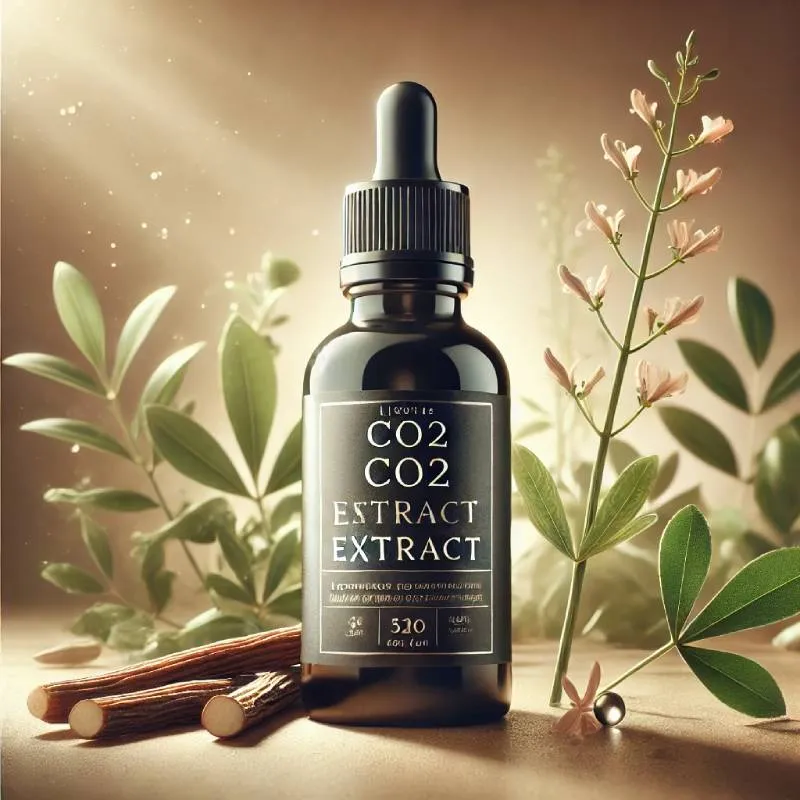
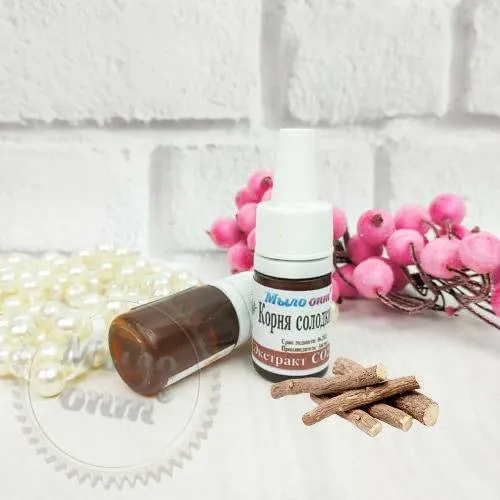
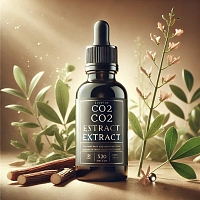
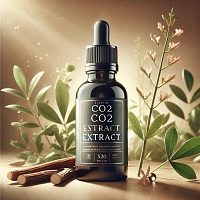
Produced in England via supercritical CO2 extraction, the extract meets strict purity requirements for industrial buyers. CO2 Extracts category offers solvent-free concentrates suitable for scale-up. The oily liquid carries the natural profile of Glycyrrhiza glabra rhizome/root and arrives in 5 g packaging with shelf life until December 2028. This format supports both small-scale testing and transition to larger production runs.
Technical parameters for formulation teams
Fat-soluble material is added to the active phase of emulsions at 0.01-5 %. Recommended processing temperature stays below 40 °C. Cosmetic labs value the ingredient for its compatibility with niacinamide and glycerin in toners and serums. It integrates smoothly into various emulsion systems without altering viscosity or stability profiles.
Use in dietary supplements and food manufacturing
Supplement producers and confectionery plants worldwide purchase the extract as a botanical raw material for functional blends and beverages. Licorice CO2 Extract 100 g supports consistent flavor notes in large batches. Both private formulators and factories source retail and wholesale quantities for food-grade applications. The material adds a mild sweet aromatic character to drink mixes and functional food products.
Example industrial toner formulation
Distilled water 85 %, glycerin 8 %, xanthan gum 0.3 %, Licorice CO2 Extract 0.7 %, preservative 1 %, niacinamide 5 %. Disperse xanthan gum in water, add glycerin and niacinamide, cool to 40 °C, incorporate the extract and preservative, then homogenize briefly. The resulting toner offers a lightweight texture suitable for daily use.
Storage recommendations
Keep containers tightly closed in a cool, dark place. Protect from direct light and heat to maintain stability until the indicated date. Proper storage prevents oxidation and preserves the natural component profile over time.
Compatibility with other botanical materials
The extract pairs effectively with rosemary and fucus concentrates when total active percentages remain within guidelines. Botanical Extracts from the same extraction method allow formulators to create layered sensory and textural effects in finished goods.
FAQ
What is the recommended input temperature?
Introduce the extract below 40 °C to preserve volatile components.
Is the material suitable for beverage development?
Yes, it serves as a botanical raw material in drink blends and functional foods.
Can the extract be combined with other CO2 materials?
It blends well with rosemary and fucus extracts within standard dosage ranges.