Sourcing and specification details for industrial buyers
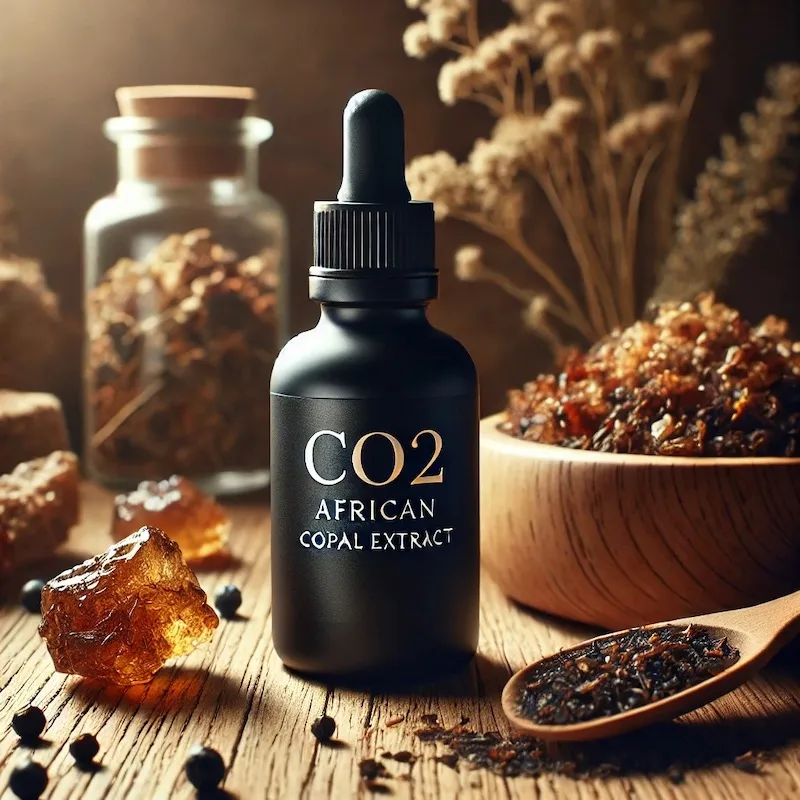
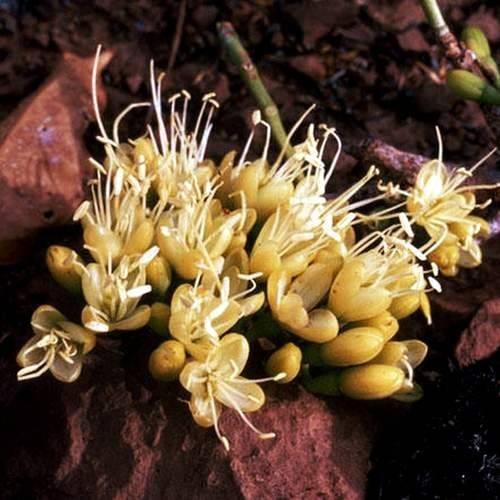
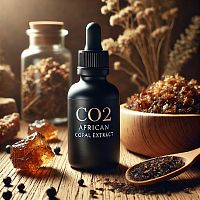
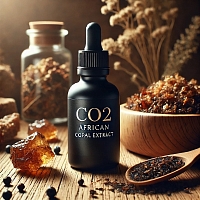
Produced in England via supercritical CO2 extraction, the Daniellia Oliveri (African Copal) Bark CO2 Extract arrives as a 100 % natural oily liquid in 1 kg containers. CO2 Extracts Wholesale section lists this grade for labs and factories seeking solvent-free botanical raw material with consistent resinous profile.
Technical parameters and integration guidelines
Fat-soluble character allows direct addition into lipid phases at 0,01-2 %. Recommended working temperature stays below 40 °C. Shelf life extends to December 2028 when stored cool and dark in sealed containers. International supplement and food manufacturers value the absence of heavy metals and residual solvents.
Role in dietary supplement and food formulations
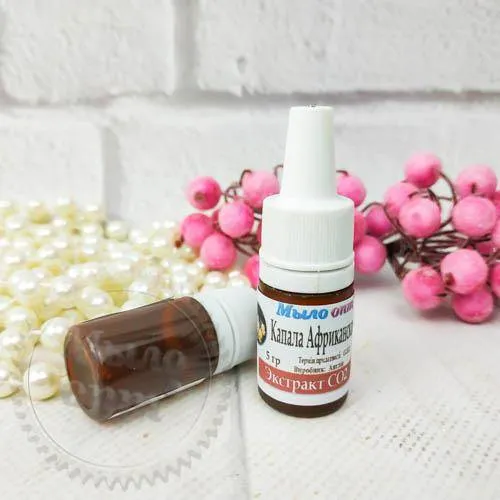
Global factories incorporate the extract as botanical raw material into functional blends, flavored beverages and confectionery bases. Private formulators and contract manufacturers use identical dosage ranges to achieve stable aromatic notes without altering texture or stability of finished goods. Copal African CO2 Extract 5 g
Formulation example for a nutritional oil blend
Medium-chain triglyceride oil 96,5 %, Copal African CO2 Extract 1 %, mixed tocopherols 0,5 %, natural citrus terpenes 2 %. All components are combined at 35 °C under nitrogen blanket and filled into amber glass bottles.
Compatibility with other CO2 grades
Blends with sage or nettle CO2 extracts produce balanced woody-herbal accords suitable for both cosmetic bases and food-grade flavor systems.
Logistics and quality control
Each batch ships in transport-grade packaging. Buyers are advised to perform small-scale trials to fine-tune percentage for specific equipment and regional regulations. Extracts Wholesale
Storage recommendations
Sealed containers kept below 25 °C away from light preserve aromatic density throughout the declared shelf life. Temperature excursions during transit must be avoided.
Frequently asked questions
What is the minimum order quantity for repeat B2B supply?
1 kg packs suit both pilot runs and scheduled production volumes for supplement and food plants.
Does the extract remain stable in high-shear mixing?
Yes, the CO2 process yields a robust liquid that tolerates standard industrial mixing without phase separation.
Can the product be used above 40 °C in confectionery?
Short exposure up to 65 °C is acceptable for certain candy bases, yet prolonged heat reduces volatile top notes.
Is the material listed in major flavor inventories?
Many international buyers register it under FEMA GRAS equivalents for flavor use within permitted limits.