Sourcing and specification profile
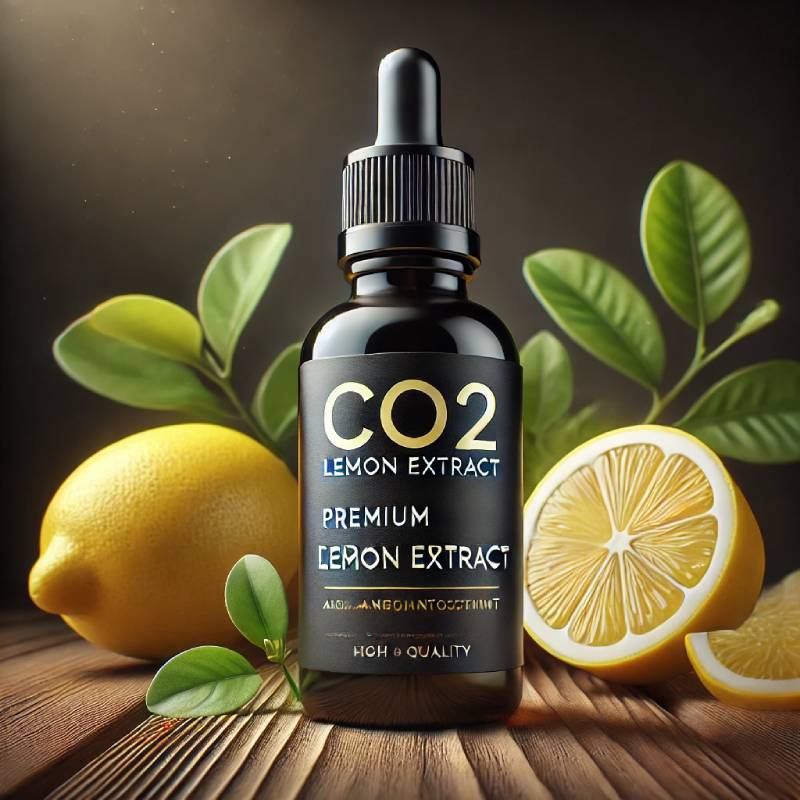
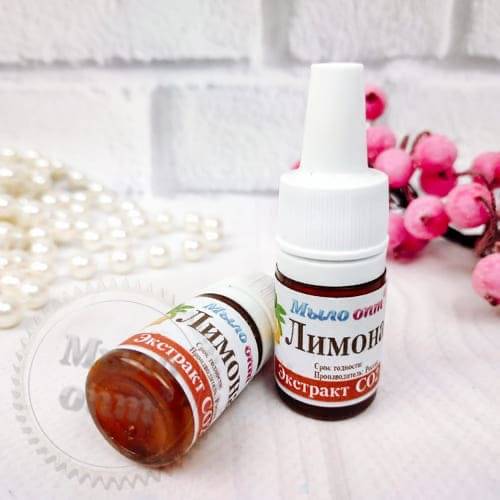
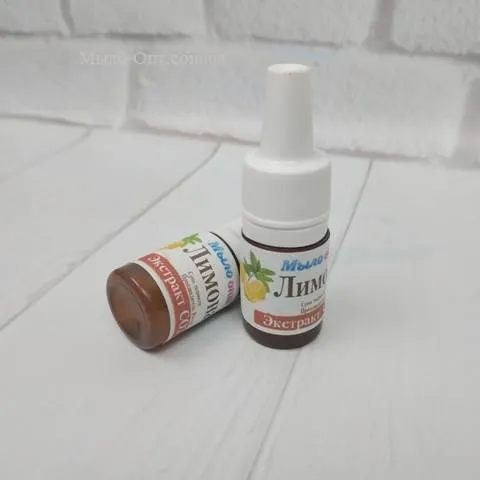
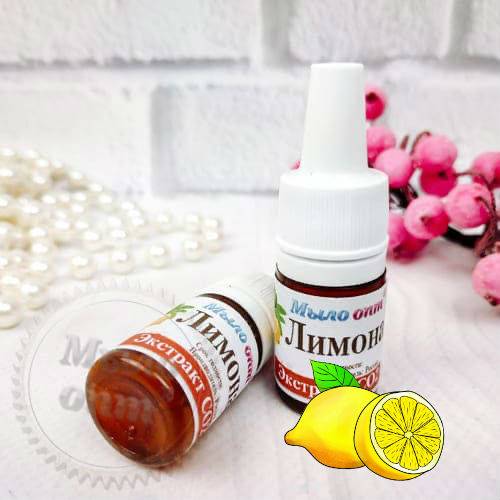
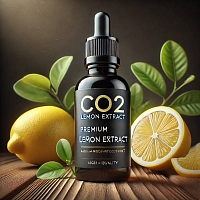
Lemon CO2 extract is produced from Citrus limon Burn. peel by supercritical extraction in Ukraine. The resulting oily mass carries a mild citrus scent and contains monoterpenes, terpenoids, alcohols, citroptene, fatty acids, vitamin E and phytosterols. The 1 kg packaging suits laboratory and contract manufacturing needs. Browse the dedicated section CO2 Extracts Wholesale for bulk options.
Technical parameters for formulation
The extract is added at 0.5-2 % or 2-5 drops per 10 g of base in the cold phase below 40 °C. It disperses readily in emulsions and lipophilic systems. Cosmetic laboratories and supplement manufacturers source it as a botanical raw material for fragrance and functional blends. See the smaller pack details at Lemon CO2 extract 100 g.
Role in dietary supplement and food manufacturing
Food industry factories and dietary supplement producers incorporate the extract as a natural flavor component in beverages, functional foods and confectionery. Private formulators and wholesale buyers worldwide use it in clean-label recipes. Retail and bulk packs are available for international supply chains.
Application in cosmetic laboratory work
Formulators add the oily mass to serums, creams and hair care bases to impart a refreshing citrus note. It supports skin barrier comfort and is compatible with antioxidant-oriented lines. Percentage input remains within the recommended 0.5-2 % range. Check further options under Extracts Wholesale.
Example formulation: scalp toner
Rosemary hydrosol 40 ml, Lemon CO2 extract 0.8 ml, panthenol 1.5 g, preservative 0.8 g, water to 100 ml. Blend at ambient temperature. The toner refreshes the scalp and adds a light citrus aroma.
Storage and stability
Keep in closed container in a cool, light-protected place. Shelf life until December 2028, stable for at least two years under proper conditions.
Frequently asked questions
What is the recommended temperature for incorporation?
Add below 40 °C to preserve volatile aromatic fractions.
Is the extract suitable for beverage flavoring?
Yes, it is used as botanical raw material for flavoring drinks and confectionery according to production standards.
How does it behave in water-based systems?
The oily mass disperses best in emulsions; pre-emulsification is advised for purely aqueous toners.
Are additional documents required for supplement use?
Manufacturers obtain necessary documentation according to target market regulations.