Product Description
Sourcing and specification details
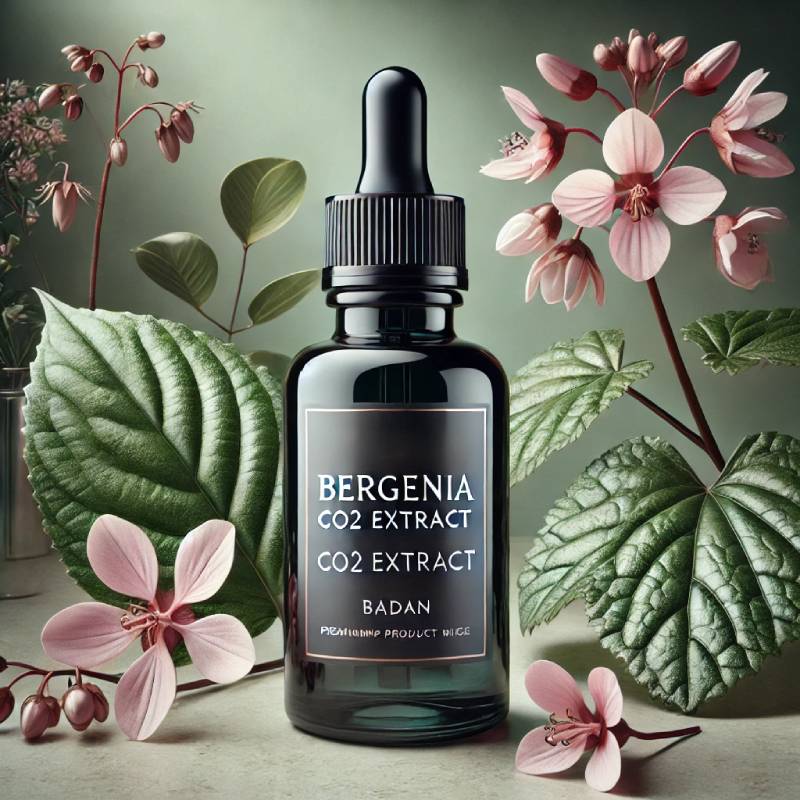
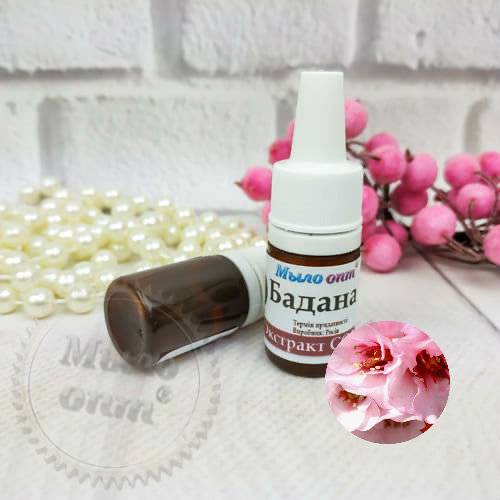
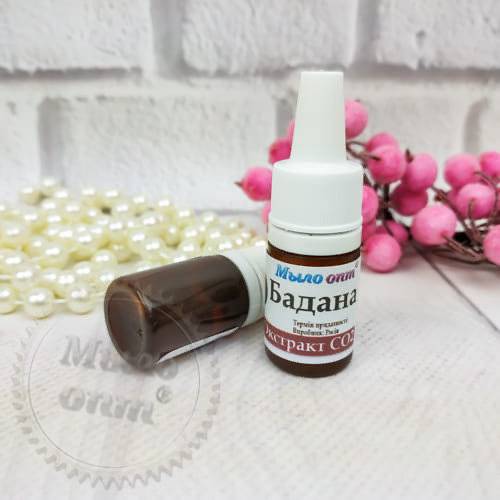
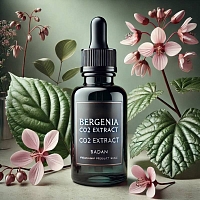
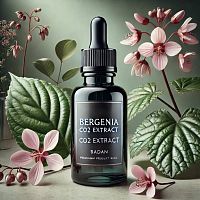
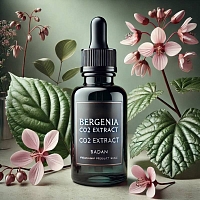
Bergenia crassifolia (L.) Fritsh roots grown in Ukraine undergo supercritical CO2 extraction to produce an oily liquid extract. The 1 kg transport container format suits both laboratory trials and full-scale manufacturing. The material contains bergenin glycoside, tannins and hydroquinone as key constituents. CO2 Extracts Wholesale batches maintain consistent composition across production lots.
Technical parameters for formulation
Fat solubility allows direct addition to oil phases at temperatures up to 40 °C. Recommended input levels range from 0.01 to 2% of the active phase. This dosage window supports stable emulsions and anhydrous systems without phase separation or color drift.
Integration in cosmetic laboratory work
Formulators incorporate the extract into serums, body balms and overnight masks. Its oily character suits water-free products and high-oil emulsions. Bergenia CO2 Extract 100 g serves as a convenient pilot size before scaling to kilogram quantities.
Role in dietary supplements and food production
Manufacturers of dietary supplements and functional foods source the extract as a botanical raw material for beverages, confectionery items and nutritional blends. Both private formulators and industrial facilities worldwide purchase it in retail or wholesale volumes. Extracts Wholesale programs support long-term supply agreements without reformulation.
Dosage guidelines and phase compatibility
Add the extract after cooling the oil phase below 40 °C. Pre-dilution in a small portion of carrier oil ensures even distribution. The material remains fully miscible in common cosmetic and food-grade lipids.
Example B2B formulation for a body balm
Oil phase: 65% shea butter, 25% jojoba oil, 5% beeswax. Active phase: 4% Bergenia CO2 extract and 1% tocopherol. Melt components together at 40 °C, mix until uniform and fill into jars. The balm provides a protective layer for dry skin areas.
Storage recommendations
Keep containers tightly closed in a cool, dark location. Minimum shelf life reaches two years under these conditions, with the best-before date marked as 12.2028 on the label.
Frequently asked questions
What packaging options exist for international shipments?
Standard transport containers of 1 kg are used; smaller test sizes start from 5 g.
Can the extract be added to aqueous toners?
No, the fat-soluble nature requires an oil or emulsion base for proper incorporation.
Does the extract affect the viscosity of finished products?
At recommended levels the impact on viscosity remains negligible in most oil-based systems.