Product Description
Sourcing and specification details
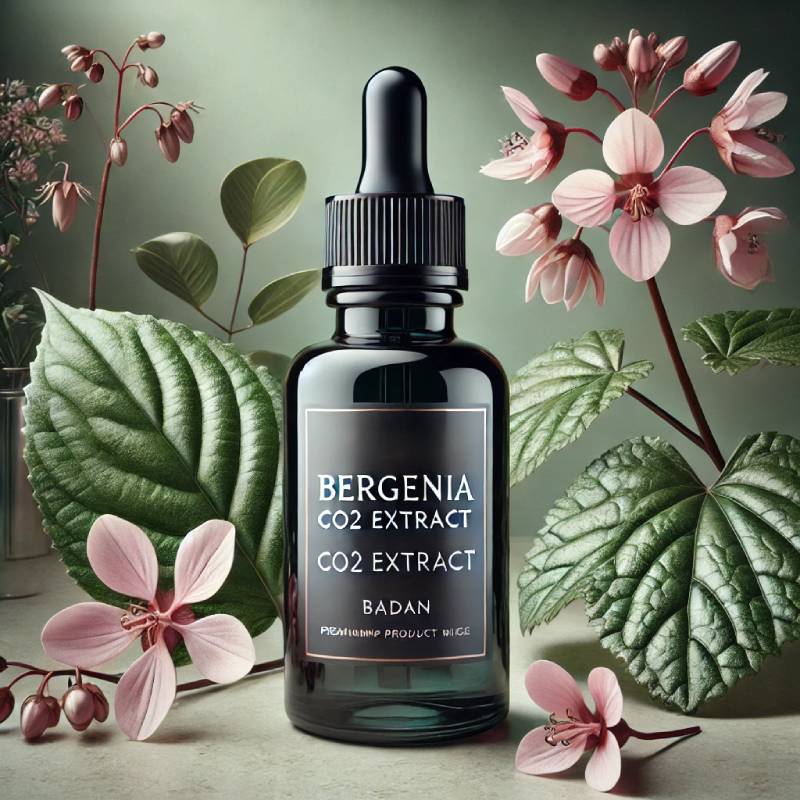
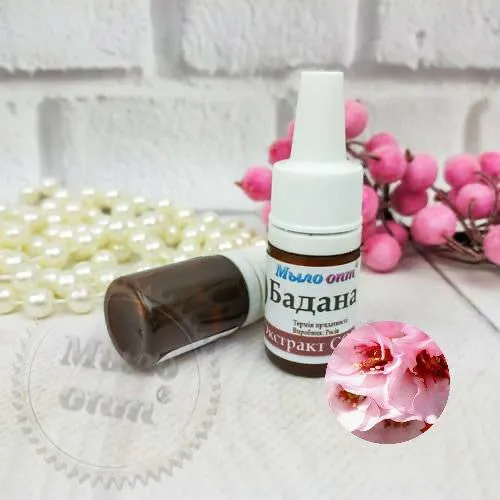
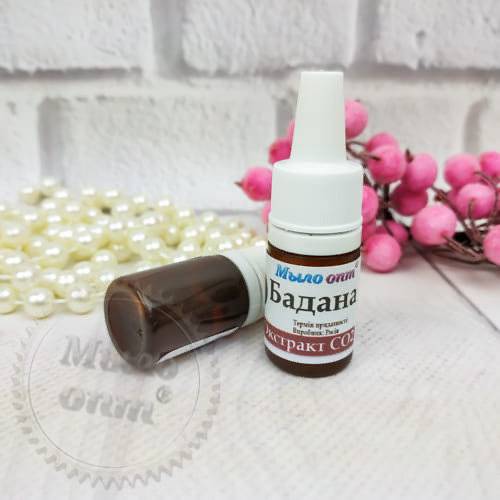
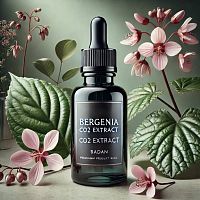
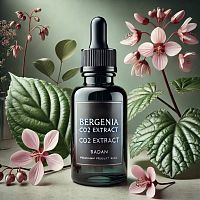
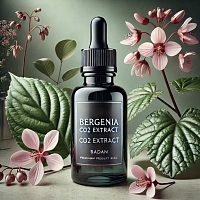
Bergenia crassifolia root from Ukraine undergoes CO2 extraction to yield an oily liquid containing bergenin, tannins and hydroquinone. The 100 g pack meets requirements of cosmetic laboratories and supplement manufacturers seeking traceable botanical raw material. CO2 Extracts Wholesale covers bulk needs for formulation teams.
Physical form and stability data
The extract appears as a viscous oily fluid with INCI Bergenia crassifolia (L.) Fritsh. Shelf life reaches two years when stored in a tightly closed container in a cool dark place. Country of origin is Ukraine; no additional solvents remain after extraction.
Integration into cosmetic bases
Formulators add the liquid at 0.2-1.5 percent to emulsions, serums and hair toners. It disperses in the lipid phase after cooling below 40 degrees Celsius and supports skin softening and toning effects in finished products.
Role in dietary supplement and food manufacturing
Supplement and confectionery producers source the extract as a botanical ingredient for functional blends and drink concentrates. Bergenia CO2 Extract 1 kg allows consistent scaling across retail and wholesale batches. The material integrates into dry mixes without altering flavor profiles.
Example lab-scale serum formulation
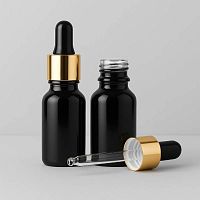
Jojoba oil 70 g, Bergenia CO2 Extract 1 g, vitamin E 0.5 g, fragrance 0.3 g. Combine oil with extract at room temperature, add vitamin E and fragrance, then fill into dropper bottles. Apply a few drops to face for daily skin conditioning. Extracts Wholesale supports large-scale production planning.
Handling and temperature guidelines
Keep containers sealed until use. Introduce the extract only after emulsion cooling to preserve volatile components. Solubility is limited to lipid systems and oil-based carriers.
Frequently asked questions
What batch documentation accompanies the material?
Each shipment includes lot number, best-before date and country-of-origin statement suitable for regulatory files.
Can the extract be used above 1.5 percent?
Higher levels require stability testing within the specific base to confirm compatibility and sensory properties.
Is the product suitable for international food-grade applications?
Yes, manufacturers of functional foods and beverages purchase it as a plant-derived raw material for formulation work.