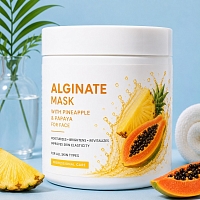
Fruit enzymes from pineapple and papaya scaled up for studio-level treatment schedules
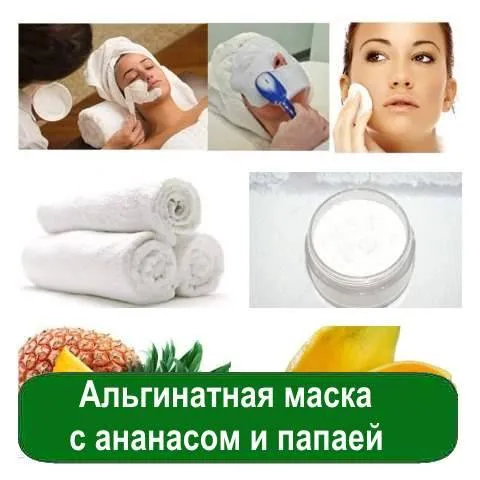
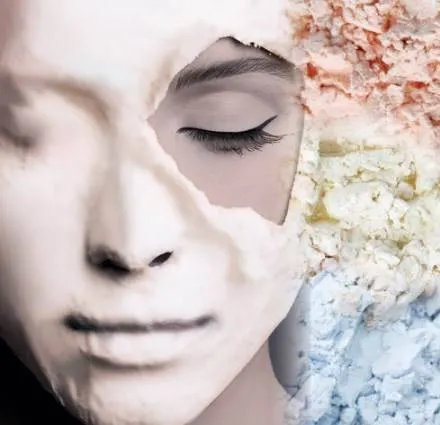
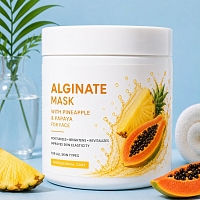
The alginate mask with pineapple and papaya in a 1 kg pack is formulated for beauty salons, cosmeceutical labs and aesthetic studios that run treatments on a regular basis and need predictable material consumption. This formula belongs to the broader category of Alginate Face Masks, powders based on sodium and calcium alginate that form a firm, elastic film on the skin once mixed with water. This film-forming texture makes alginate masks a convenient carrier for active ingredients such as fruit extracts, enzymes, vitamins and botanical actives, which penetrate more effectively while sealed under the setting film.
Papain from papaya and bromelain from pineapple are proteolytic enzymes that gently break down the keratin bonds holding dead skin cells together on the epidermis surface. This is why the mask functions as a mild enzymatic peel: it helps refine skin texture, supports natural cell turnover, evens out complexion, and preps skin for the following application of serums and active concentrates. Across global spa and skincare markets, fruit enzyme treatments remain one of the most requested non-abrasive exfoliation options, particularly suited for sensitive or dull-looking skin where mechanical scrubs are not recommended.
For professional application, the powder is mixed with room-temperature or chilled mineral water at a ratio of roughly one to two and a half by volume, until a smooth, lump-free paste forms. The mixture should be applied in a thick layer with a spatula or wide brush immediately after mixing, before it starts to set. Contact time on the skin is fifteen to twenty minutes, after which the film peels off in one solid piece. The mask pairs well with serum concentrates, hyaluronic acid and plant oils applied underneath the film during the skin-prep stage.
When building treatment protocols, studios often rotate different alginate formulas depending on the client's needs. For intensive moisture replenishment, the Super hydrating alginate mask for face and body 25 g
works well, while soothing irritated skin after aggressive procedures is better handled with the Alginate mask with lemon balm 25 g. When a course is focused on evening out skin tone and addressing pigmentation, it makes sense to complement the program with the Alginate mask to improve complexion 25 g, alternating treatments within the same course.
The 1 kg pack size is meant for the steady workload of a studio or a network of cosmetology rooms, where the priority is not a single purchase but reliable supply continuity over months of operation. The powder should be kept in a dry space away from direct light, in a tightly sealed package, protected from moisture, since alginates are hygroscopic and premature exposure to humidity causes them to swell and lose proper flow once mixed. Room temperature storage without sharp fluctuations or proximity to heating sources is recommended.
Beyond classic facial care, fruit enzyme formulas are also used on the décolleté, hands, and as a pre-treatment step before device-based procedures such as microcurrent therapy, ultrasonic cleansing or microneedling rollers, where gentle prior exfoliation improves the outcome of the following treatment.
Enzyme treatment mask for a studio tone-evening session
Alginate mask with pineapple and papaya 25 g
Room temperature still mineral water 68 ml
Niacinamide serum 4 ml
Sweet almond oil 3 ml
In
a clean non-metallic bowl, combine the mask powder with the water, stirring
thoroughly with a spatula for about one minute until no lumps remain. Let the
mixture rest for thirty seconds to allow the alginate to fully hydrate, then
add the niacinamide serum and sweet almond oil, gently blending until smooth.
On cleansed and toned skin, apply a thin layer of serum first, then spread a
thick even layer of the prepared mask across the face, avoiding the eye area.
Leave on for fifteen to twenty minutes until the film has fully set, then peel
it off in one piece starting from the chin edge.