-
 Absolutes
-
 Active Complexes
-
 Actives & Peptides
-
 Amino Acids & Proteins
-
 Food Flavors
-
 Ayurvedic Ingredients & Herbs
-
 Vitamins & Coenzymes
-
 Chocolate Making Supplies
-
 Thickeners & Gelling Agents
-
 Hydrosols & Floral Waters
-
 Hydrolyzed Proteins
-
 Fragrance Ingredients
-
 Nutraceutical Ingredients
-
 Acids, Salts, Alcohols & Alkalis
-
 Preservatives & Antioxidants
-
 Cosmetic Ingredients
-
 Colorants, Micas & Glitters
-
 Masks, Scrubs & Botanicals
-
 Oils & Butters
-
 Candle Making Supplies
-
 Melt and Pour Soap Bases
-
 Cream, Lotion & Hair Care Bases
-
 Fragrance Oils & Industrial Aromatics
-
 Cleansing Agents & Surfactants
-
 Peeling Actives & Acids
-
 Cosmetic Powders
-
 Solvents & Humectants
-
 Silicones & Conditioning Agents
-
 Bottles, Jars & Vials
-
 Silicone & Plastic Molds, Tools
-
 Botanical Extracts
-
 Cosmetic Emollients
-
 Emulsifiers
-
 Essential Oils
- Absolutes 55
- Active Complexes 265
- Actives & Peptides 4839
- Amino Acids & Proteins 71
- Food Flavors 2097
- Ayurvedic Ingredients & Herbs 220
- Vitamins & Coenzymes 108
- Chocolate Making Supplies 109
- Thickeners & Gelling Agents 101
- Hydrosols & Floral Waters 139
- Hydrolyzed Proteins 87
- Fragrance Ingredients 44
- Nutraceutical Ingredients 797
- Acids, Salts, Alcohols & Alkalis 112
- Preservatives & Antioxidants 132
- Cosmetic Ingredients 8491
- Colorants, Micas & Glitters 1423
- Masks, Scrubs & Botanicals 1259
- Oils & Butters 1711
- Candle Making Supplies 542
- Melt and Pour Soap Bases 341
- Cream, Lotion & Hair Care Bases 89
- Fragrance Oils & Industrial Aromatics 6527
- Cleansing Agents & Surfactants 140
- Peeling Actives & Acids 57
- Cosmetic Powders 325
- Solvents & Humectants 37
- Silicones & Conditioning Agents 91
- Bottles, Jars & Vials 3927
- Silicone & Plastic Molds, Tools 6078
- Botanical Extracts 3614
- Cosmetic Emollients 108
- Emulsifiers 304
- Essential Oils 606


Ayurvedic Ingredients & Herbs
 Add to cart



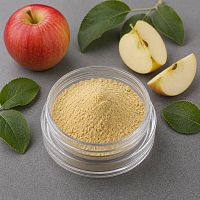
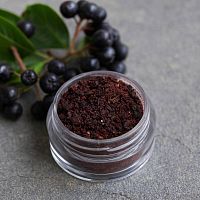
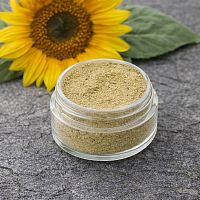


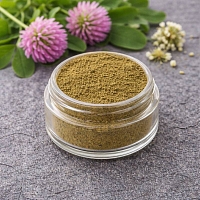
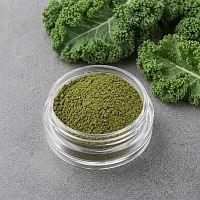
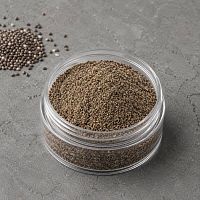

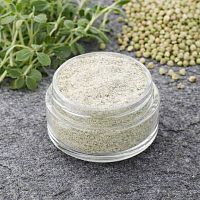
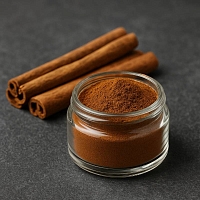
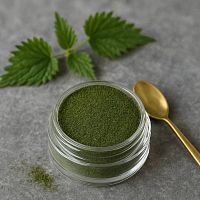
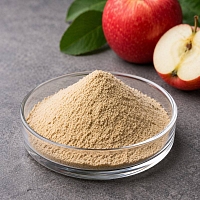
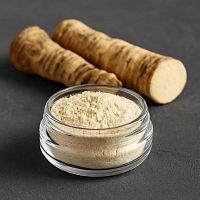
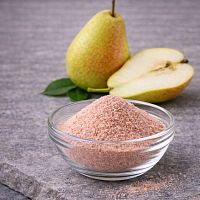
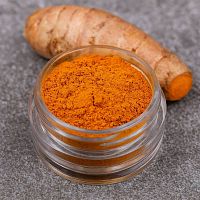

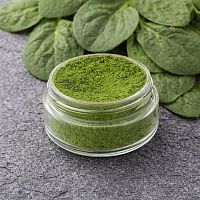


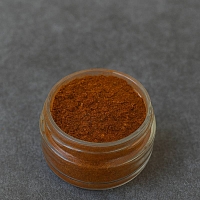
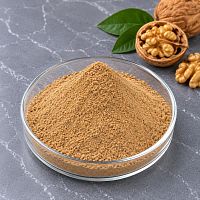

Traditional botanical components for modern formulations
This section brings together ayurvedic raw materials used in cosmetic manufacturing, including herbal powders, plant extracts, resins, and specialty oils rooted in centuries-old formulation traditions. These components arrive as concentrated ingredients ready to be measured into creams, masks, hair treatments, and other cosmetic bases rather than as finished products. Each material carries its own texture, color, and active profile, giving formulators a wide palette for building recipes from scratch.
Ayurvedic powders such as clay-based blends and botanical extracts are commonly incorporated into facial care formulas, working alongside options found in the Face Masks, Scrubs, and Dried Flowers section for texture and visual appeal. Many of these ingredients also pair naturally with pigments and shimmer additives from Dyes, Pearlescents, and Glitters when a formulator wants to build a layered sensory experience in a single product.
Beyond facial care, these raw materials find their way into hair masks, body scrubs, herbal-infused oils, and cleansing formulas, since their functional properties, whether absorbent, coloring, or conditioning, translate across many product categories rather than being tied to a single application.
Powders, roots, and botanical extracts compared
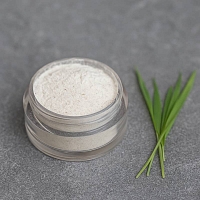
Within this category, formulators encounter several distinct forms of raw material. Fine powders, such as Indian Henna 100 g, deposit pigment and tint onto hair and skin, while root-derived powders like Licorice Root Powder 10 g and Ayurvedic Ginger Root Powder 10 g bring brightening and warming notes to a formula without altering its base texture significantly.
Other powders are valued mainly for their soothing and conditioning feel in a finished blend. Comfrey root powder 10 g and its larger counterpart, Comfrey root powder 100 g, are chosen when a formula calls for a smoother, mucilage-like consistency, whereas Ayurvedic Eucalyptus Powder 25 g introduces a cooling, refreshing character more suited to invigorating masks and scrubs.
Selecting the right raw material for a formula
Choosing between these ingredients depends on the functional role a formulator needs filled: coloring, texture building, absorbency, or a light botanical accent. A powder chosen purely for tint, like henna, behaves very differently in a mix than one chosen for its binding or thickening qualities, so matching the ingredient to the mechanical role it plays is the first step before any scent or visual pairing is considered.
Some raw materials in this group serve a more specialized niche. Flower pollen obnozhka 25 g and Ayurvedic Stevia Powder 20 g are typically added in small proportions as supporting components within a larger recipe rather than as the primary base, while adaptogenic powders such as Ayurvedic Ashwagandha Powder 100 g, Mucuna Pruriens Powder 100 g, and Arjuna Ayurvedic Powder 100 g are usually formulated in higher concentrations when the goal is a pronounced herbal profile across the whole batch. Combining two or three of these powders in one recipe is common practice, since their properties, coloring, conditioning, and texturizing, tend to complement rather than compete with each other.
Origins, storage, and pairing with tools
Materials in this section originate from several regions, including India, Thailand, France, Ukraine, the United States, Germany, and Italy, reflecting the range of botanical and mineral sources used across ayurvedic and plant-based formulations. As dry powders and extracts, they generally require storage away from moisture and direct sunlight to preserve color and consistency between batches.
Once a batch is mixed and ready to set, many formulators turn to the Molds, Packaging, Tools section to shape, portion, and package the finished cosmetic product, closing the loop from raw botanical ingredient to a presentable end result.
FAQ
What are ayurvedic raw materials used for in cosmetic formulations?
They serve as functional ingredients in creams, masks, hair treatments, and scrubs, contributing texture, color, and active properties. Formulators use these botanical powders, extracts, resins, and oils to build absorbent, cleansing, or soothing profiles into a wide range of finished cosmetic bases.
How do ayurvedic powders differ from plant extracts in a formula?
Powders typically add texture, absorbency, and mild exfoliation when blended into masks or scrubs, while liquid extracts contribute concentrated active compounds and color without altering consistency as much. Both can be combined to balance texture and functional performance in one recipe.
Can these ingredients be combined with clays or dried botanicals in one recipe?
Yes, ayurvedic powders and extracts pair well with clay bases and dried flowers, since they share similar textural roles in facial care formulas. Combining them lets formulators layer absorbency, color, and visual interest within a single mask or scrub base.
How should ayurvedic botanical ingredients be stored before use?
Store powders and resins in sealed, moisture-resistant containers away from direct light and heat to preserve color and active content. Oils and liquid extracts benefit from cool, dark storage to slow oxidation and maintain consistency over time.
What quantities are available for testing a new formulation?
Ayurvedic raw materials are available in a range of pack sizes suitable for both small-batch testing and larger production runs, allowing formulators to trial a component before committing to a full manufacturing quantity.
Recommendations
When selecting an ayurvedic raw material for a new formulation, start by matching its texture and active profile to the base you are building, whether that is a facial mask, hair treatment, or body scrub. Compare particle size and color intensity across similar powders before committing to a full batch, since these traits vary between suppliers and harvests. For color-driven or textural recipes, test small quantities alongside complementary pigments or clay bases first. Our team can help you choose the right grade and pack size for your production scale. Reach out by email to discuss availability and place an order.