What Copper Peptide GHK-Cu Represents
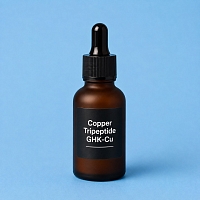
Copper Peptide GHK-Cu is a functional cosmetic active based on the tripeptide glycyl histidyl lysine stabilized with a copper ion. This ingredient belongs to the category of peptide complexes used in modern skin care formulations where controlled composition and reproducibility matter. The 5 g pack provides a convenient trial size of blue liquid raw material suitable for laboratory work and small batch development. It works in water based systems and supports formulators who need a reliable component for aging skin products and post procedure care. Explore more options in the actives catalog.
Key Properties
The material appears as a blue liquid and dissolves readily in water. Recommended input levels range from 2 to 5 percent depending on the final product type. It contributes to formulas that aim for a smoother looking skin surface and a balanced finish. The component remains stable when handled according to the stated storage conditions in a cool dark place inside a tightly closed container.
Copper Peptide GHK-Cu works effectively in water-based systems for smoother skin appearance, and you can explore additional options in the cosmetic peptides collection. Related materials are available in the cosmetic actives area, including the GHK-Cu 100 g pack and Biopeptide 10 g.
Where the Ingredient Finds Use
Copper Peptide GHK-Cu appears in care products for aging skin, soothing cosmetics, and skin care items intended after aggressive cosmetic procedures. It fits concentrated serums, creams, emulsions and gel products developed for professional and private label lines. Formulators working in the anti aging actives section often evaluate this peptide when building repeatable peptide based systems.
How to Introduce It into Formulas
Add Copper Peptide GHK-Cu at the cool down stage after any heating steps. Introduce it gradually while stirring gently without additional heat. The 2 to 5 percent range allows adjustment according to the target texture and concentration of the finished product. Always perform a preliminary sensitivity test by applying a small amount to the inner elbow or behind the ear before full scale use. Check the peptides section for related formulation ideas.
Appearance and Handling Details
The raw material presents as a blue liquid packaged in a transport container. Solubility in water makes it straightforward to incorporate into aqueous phases of serums and light emulsions. Expiry information shows October 2028 when stored correctly. All site data serves reference purposes only and requires verification by the formulator for each specific batch.
Sample Peptide Serum Formula
Purified water 85 ml, rose hydrosol 8 ml, vegetable glycerin 3 ml, Copper Peptide GHK-Cu 0.5 g, betaine 2 g, preservative system 1.5 ml. Combine purified water and rose hydrosol in a clean vessel and begin gentle mixing until uniform. Add vegetable glycerin and continue stirring until fully dispersed. Introduce Copper Peptide GHK-Cu slowly while dissolving without heat. Next incorporate betaine and the preservative system, mixing thoroughly until a clear stable serum forms. Allow the finished product to stabilize before filling. This example demonstrates one practical way to work with the ingredient in a simple water based system.
Storage Recommendations
Keep the material in a cool dark location inside a tightly closed container. Observe the printed expiry date and follow any additional handling notes supplied with the batch. Proper storage helps maintain the quality of the liquid throughout its stated shelf life.
FAQ
Is Copper Peptide GHK-Cu suitable for water based serums only?
The ingredient dissolves in water and integrates well into aqueous phases of serums, light gels and certain emulsions when added at the cool down stage.
What input percentage range applies to this raw material?
Typical usage falls between 2 and 5 percent, adjusted according to the desired concentration and product format.
Does the material require heat during incorporation?
No additional heat is needed. Introduce it gradually while stirring at ambient temperature to preserve stability.
How should sensitivity testing be performed?
Apply a small amount to the inner elbow or behind the ear and monitor for any reaction before using the finished product on larger areas.