-
 Absolutes
-
 Active Complexes
-
 Actives & Peptides
-
 Amino Acids & Proteins
-
 Food Flavors
-
 Ayurvedic Ingredients & Herbs
-
 Vitamins & Coenzymes
-
 Chocolate Making Supplies
-
 Thickeners & Gelling Agents
-
 Hydrosols & Floral Waters
-
 Hydrolyzed Proteins
-
 Fragrance Ingredients
-
 Nutraceutical Ingredients
-
 Acids, Salts, Alcohols & Alkalis
-
 Preservatives & Antioxidants
-
 Cosmetic Ingredients
-
 Colorants, Micas & Glitters
-
 Masks, Scrubs & Botanicals
-
 Oils & Butters
-
 Candle Making Supplies
-
 Melt and Pour Soap Bases
-
 Cream, Lotion & Hair Care Bases
-
 Fragrance Oils & Industrial Aromatics
-
 Cleansing Agents & Surfactants
-
 Peeling Actives & Acids
-
 Cosmetic Powders
-
 Solvents & Humectants
-
 Silicones & Conditioning Agents
-
 Bottles, Jars & Vials
-
 Silicone & Plastic Molds, Tools
-
 Botanical Extracts
-
 Cosmetic Emollients
-
 Emulsifiers
-
 Essential Oils
- Absolutes 55
- Active Complexes 265
- Actives & Peptides 4860
- Amino Acids & Proteins 71
- Food Flavors 2097
- Ayurvedic Ingredients & Herbs 220
- Vitamins & Coenzymes 108
- Chocolate Making Supplies 109
- Thickeners & Gelling Agents 101
- Hydrosols & Floral Waters 139
- Hydrolyzed Proteins 87
- Fragrance Ingredients 44
- Nutraceutical Ingredients 797
- Acids, Salts, Alcohols & Alkalis 112
- Preservatives & Antioxidants 132
- Cosmetic Ingredients 8494
- Colorants, Micas & Glitters 1423
- Masks, Scrubs & Botanicals 1259
- Oils & Butters 1711
- Candle Making Supplies 542
- Melt and Pour Soap Bases 341
- Cream, Lotion & Hair Care Bases 89
- Fragrance Oils & Industrial Aromatics 6527
- Cleansing Agents & Surfactants 140
- Peeling Actives & Acids 57
- Cosmetic Powders 325
- Solvents & Humectants 37
- Silicones & Conditioning Agents 91
- Bottles, Jars & Vials 3927
- Silicone & Plastic Molds, Tools 6071
- Botanical Extracts 3614
- Cosmetic Emollients 108
- Emulsifiers 304
- Essential Oils 606


Silicones & Conditioning Agents
 Add to cart


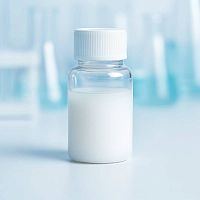




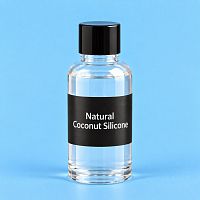






Slip, shine, and manageability in hair care formulas
This section brings together silicone derivatives and cationic or amphoteric conditioning surfactants used to build the feel and performance of hair care products. These raw materials help formulators control slip during application, reduce friction between fibers, add softness, and leave hair looking smoother after rinsing. The range covers water soluble and emulsion type silicones alongside conditioning agents that work in both rinse off and leave in systems.
Formulators use these ingredients across a wide span of products, from lightweight conditioners and rinse off masks to leave in sprays, serums, and styling creams. Combined with actives from a face masks, scrubs, and dried flowers lineup, they can also support multi purpose formulas for skin and hair care brands working across categories. Their function stays consistent across formats: reducing static, improving wet and dry combing, and giving hair a smoother surface texture.
Because performance depends heavily on concentration and pairing with the right emulsifier or thickener, many labs test small batches before scaling up. Compatibility with color additives from a dyes, pearlescents, and glitters range is worth checking early, since some silicone types can affect how pigments disperse in the final base.
Silicone types and how they differ
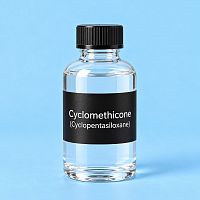
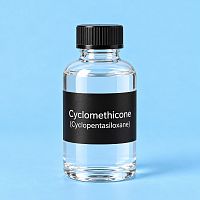
Within this group, silicones range from light volatile grades to heavier film forming types. Cyclomethicone, available as Cyclomethicone (Cyclopentasiloxane) 25 g or the larger Cyclomethicone (Cyclopentasiloxane) 50 g pack, evaporates quickly and leaves a dry, non greasy slip, which makes it useful in lightweight serums and styling sprays where residue needs to stay minimal.
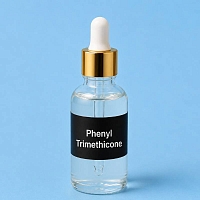
Heavier or emulsion based options work differently. Dow Corning 5225C 30 g and Dow Corning Cyclomethicone 5 50 ml are built for richer conditioners and creams, where a more cushioned feel on wet hair is the goal. Phenyl Trimethicone 10 ml sits apart from the others thanks to its added shine, often chosen when a formula needs visible gloss rather than just softness.
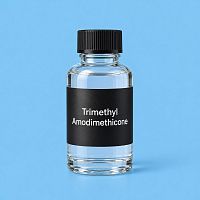
Conditioning agents like Amodimethicone 50 ml and Polyquaternium 7 50 ml bring a different mechanism entirely. Instead of coating fibers with a film, they work through charge attraction, binding to damaged areas of the hair shaft and reducing tangling from the inside of the formula rather than the surface.
Choosing a variant and building a formula around it
Picking the right ingredient starts with the finish a brand wants. A rinse off conditioner aimed at a light, weightless result calls for a volatile silicone, while a leave in cream or overnight mask benefits from a heavier, longer lasting film former. Amodimethicone and Polyquaternium 7 are frequently paired together, since one smooths the cuticle surface and the other manages static and wet combing from within the strand.
Dosage and pairing with the base emulsifier system matter just as much as the raw material itself. A silicone that performs well in a simple rinse off mask can behave unpredictably in a thicker leave in cream without the right co-emulsifier, so small test batches before scaling production remain standard practice among formulators working with this group.
These raw materials are not limited to hair care. The same slip and film forming properties show up in skin creams, primers, and multi use formulas, and labs building a broader product line often draw on tools and packaging from the Molds, Packaging, Tools section once a formula moves from bench testing to small batch production.
Origin and storage notes
Materials in this category are sourced from established chemical manufacturing regions including Germany, the United States, Italy, the United Kingdom, France, and Belgium, with some volume items also supplied from China. Buyers working on export orders or larger production runs can request details on specific origin batches relevant to their formulation.
Most silicone derivatives and conditioning surfactants stay stable at room temperature when kept sealed and away from direct sunlight, though opened containers should be used within a reasonable timeframe to preserve viscosity and performance. As formulators expand into layered treatment routines, demand has grown for smaller trial sizes that allow testing several silicone types side by side before committing to a full production batch.
FAQ
What is the difference between water soluble and emulsion type silicones for hair care
Water soluble silicones rinse out cleanly and suit lightweight leave in sprays, while emulsion type silicones deposit more film and slip, making them better suited to rinse off conditioners and masks where a heavier conditioning layer is desired.
How do conditioning surfactants work alongside silicones in a formula
Cationic and amphoteric conditioning surfactants attach to hair fibers and reduce static, while silicones add slip and smoothness on top of that base. Used together, they usually improve wet combing, dry combing, and overall softness more than either ingredient alone.
Can these ingredients be used in leave in products as well as rinse off formulas
Yes, many of the silicones and conditioning agents in this range are formulated to work in both leave in and rinse off systems, though usage rate and pairing with emulsifiers or thickeners typically need adjusting depending on the final product type.
How should silicone derivatives and conditioning agents be stored before use
Keep containers tightly closed, away from direct heat and sunlight, and follow the temperature range noted for each specific ingredient. Proper storage helps maintain viscosity and conditioning performance until the material is incorporated into a batch.
Recommendations
When choosing a silicone derivative or conditioning agent, start from the finish you want, lightweight slip for a spray, or richer cushioning for a mask, and check how the material performs with your existing emulsifier or thickener system. Small test batches help confirm compatibility before scaling a formula. For quantities, pairing options, or questions about a specific product in this range, reach out by email and our team will help match the right raw material to your production needs.




