PDRN as a High Performance Cellular Activator for Advanced Tissue Regeneration and Premium Formulation Systems
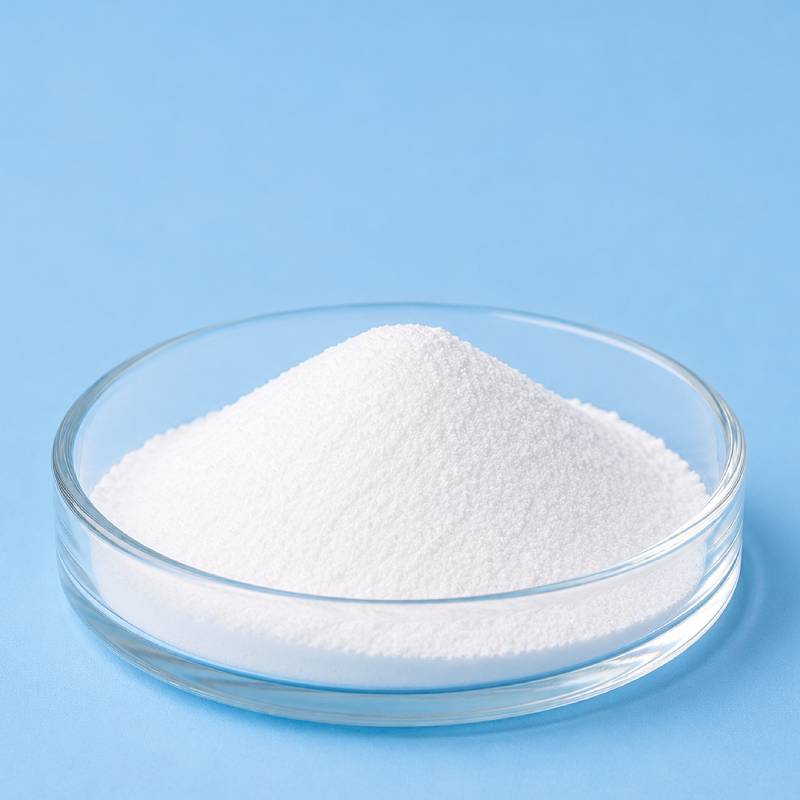
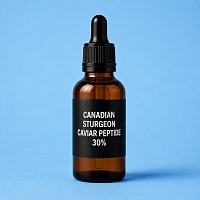
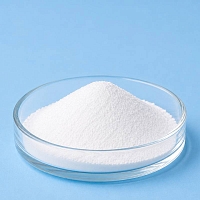
The international cosmetic and biotech markets are experiencing a profound paradigm shift toward biomimetic ingredients that interact directly with cellular structures to promote deep tissue repair. Polydeoxyribonucleotide, commonly known as PDRN, represents a cutting edge segment of low molecular weight DNA fractions extracted from marine biological sources through precise enzymatic cleavage. This highly purified biotechnological active ingredient consists of structured nucleotide chains that perfectly align with the natural physiological requirements of mammalian cutaneous cells. Global developers of medical cosmetics, professional spa lines, and innovative private label projects select this advanced substance due to its verified ability to accelerate metabolic turnover, boost endogenous protein synthesis, and reinforce the extracellular matrix from within. By operating as a powerful molecular primer, the compound provides essential structural elements that enhance tissue durability, offering contract manufacturers a reliable tool to engineer targeted premium skincare lines.
Molecular Mechanism of Action and Role in Recipe Development
The exceptional functional profile of PDRN within modern cosmetics is rooted in its unique interaction with cell surface adenosine A2A receptors. This specific binding mechanism triggers a downstream signaling cascade that optimizes the natural healing cycle, minimizes environmental stress signaling, and actively supports the synthesis of structural proteins. The active nucleotide fractions and functional protein building blocks present in this cosmetic active work in synergy with endogenous cellular mechanisms to revitalize degraded matrix components. For technical formulators, the compound is highly valued for its versatility in fluid systems, high degree of biocompatibility, and clean integration properties. It serves as an exceptional deep moisturizing agent and structural stabilizer, enhancing the resilience of hydrogels, emulsions, and delicate under-eye fluid systems without shifting the viscosity or disrupting the balancing systems of the final cosmetic base.
Global Industrial Demand and Multi Sector Applications
As clean label and evidence-based beauty trends continue to dominate the global B2B sector, the demand for high purity PDRN has expanded far beyond traditional luxury skincare. In the mainstream cosmetic industry, the compound is heavily utilized in anti-aging facial serums, post-procedure recovery creams, barrier repair fluids, and revitalizing scalp treatments designed to strengthen hair follicles. The wellness and professional spa sectors integrate this marine-derived nucleotide into intensive transdermal masks and cellular boosting fluids to offer immediate visual smoothing and skin density improvement.
Furthermore, the pharmaceutical and advanced nutricosmetic industries are exploring this material as a primary raw component for specialized regenerative topical gels and structural health formulations. Even within high-end household personal care and custom soap-making projects, advanced developers use this stable nucleotide complex to add premium functional value to luxury cleansing items, balancing the skin barrier against the surfactant action of cleansing bases.
Structural Advantages for Contract and Small Scale Manufacturing
The operational flexibility of this pure biological active makes it equally profitable for multi-ton contract manufacturing lines and specialized custom laboratories. It dissolves efficiently in water-based phases, exhibits great thermal stability during cold processing, and remains functional within the standard physiological pH limits required for advanced dermatological products. The absence of heavy animal tissues and the clean biotechnological purification path significantly simplify international trade compliance and merchant data validation, ensuring a smoother regulatory approval process across global markets.
Recipe for a Restructuring DNA Cellular Fluid
Purified demineralized water 80 ml Rose hydrosol 10 ml PDRN liquid active 5 ml Sodium PCA 3 grams High molecular weight sodium hyaluronate 1 gram Phenoxyethanol ethylhexylglycerin preservative blend 1 ml
The manufacturing sequence for this high performance cellular fluid requires no complex heating cycles. In a sterilized laboratory vessel, combine the purified demineralized water and rose hydrosol at room temperature. Slowly sprinkle the high molecular weight sodium hyaluronate onto the water surface and allow it to fully hydrate for approximately forty minutes until a uniform, clear, viscous gel base is achieved. Once the gel network is stable, introduce the Sodium PCA humectant and stir gently until fully dissolved. Next, add the PDRN liquid active into the system, ensuring complete distribution through continuous low speed agitation. Conclude the formulation process by integrating the broad spectrum preservative blend, and mix the fluid for an additional five minutes until completely homogeneous.
The finished cosmetic product presents as a crystal clear, luxurious, lightweight fluid that glides smoothly across the skin surface. The result of regular application is a comprehensive improvement in skin texture, a notable increase in epidermal elasticity, and an accelerated recovery of compromised tissue boundaries. It provides a non-sticky, velvet sensory finish, leaving the skin feeling deeply saturated, calm, and structurally reinforced.
Utilizing PDRN within scalable commercial formulations ensures an advanced, results driven position in the global cosmetic marketplace. The exceptional purity, traceable biological origin, and strict manufacturing control parameters provide a trustworthy foundation for brands aiming to deliver authentic premium grade efficacy in the competitive B2B skincare market.