How an aged silver shimmer elevates resin, cosmetics and craft production
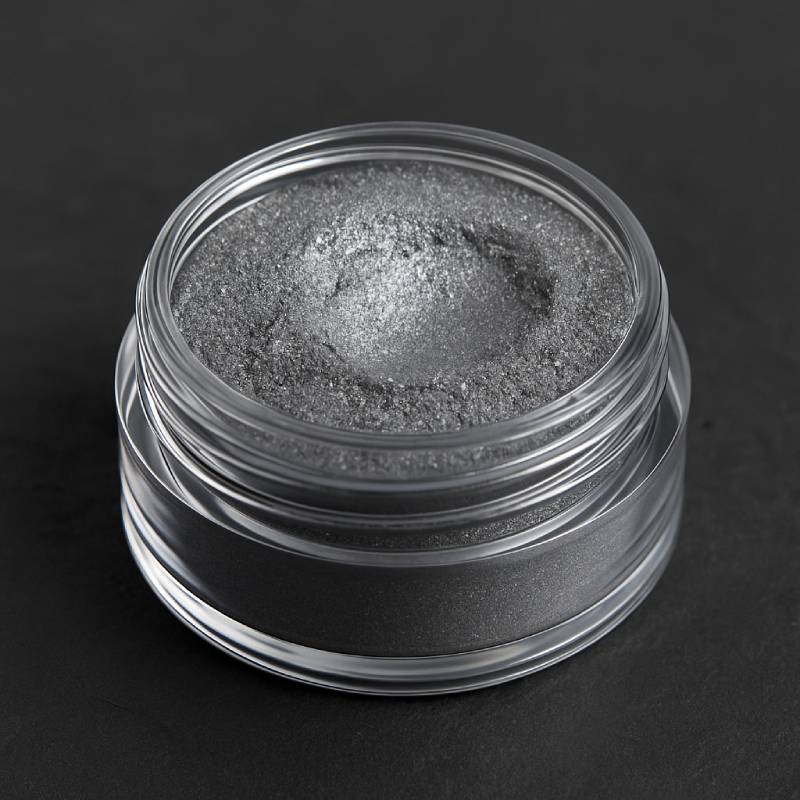
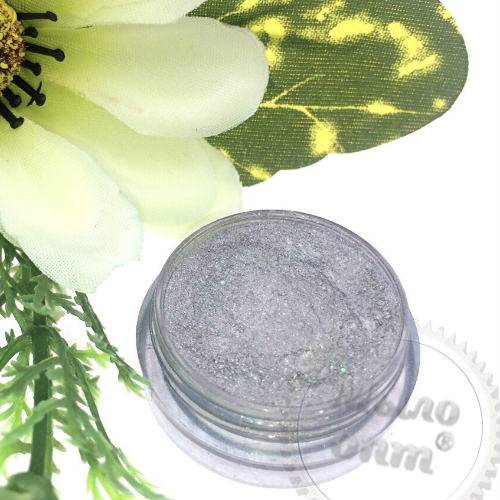
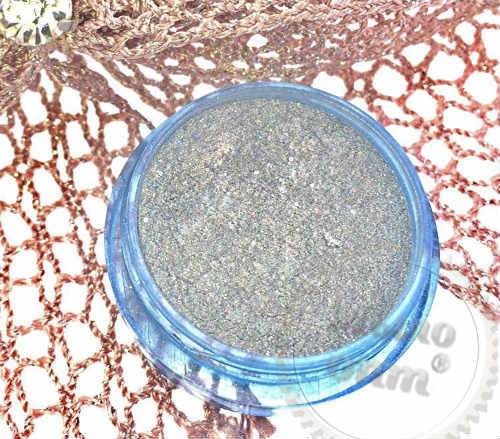
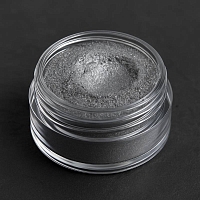
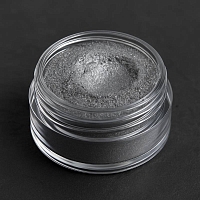
A metallic gray tone with a subtle antique undertone has become one of the most requested finishes across resin art, automotive coatings and premium packaging design. Mica Antique Silver in a 100 gram jar belongs to the Mica Powders category, gathering pearlescent pigments suited both for hobbyist projects and small studio production runs. This mid-size format is a practical choice for craft studios and small workshops that need consistent color batches without committing to bulk kilogram packaging.
The most widespread application of this pigment is epoxy resin casting — jewelry pieces, clock faces, coasters, river tables and interior decor items, where the muted silver-gray tone with a hint of patina mimics oxidized or antique metal. Polymer clay artists, candle makers working in the premium segment, and decorative plaster specialists also rely on this powder, blending micronized particles into wall finishes for a soft pearlescent sheen. In the cosmetics industry the pigment finds steady demand in eyeshadow, highlighter, nail polish and body shimmer formulations, since its fine particle size distributes evenly and produces a soft glow rather than harsh glitter flecks. Soap crafters occasionally use this type of mica to create metallic veining and swirl effects, though that remains just one of many use cases rather than the primary one.
Dosage depends on the density and clarity of the base: epoxy resin typically requires 0.5 to 3 grams per 100 ml of mixed compound, cosmetic emulsions and color cosmetics allow a broader range from 1 to 10 percent of total mass, while soap base or candle wax usually takes 2 to 5 grams per kilogram. The powder disperses well in oils, silicones, polymer resins and wax systems, but does not blend directly into water-based formulas without pre-wetting with glycerin or a surfactant, so aqueous systems benefit from introducing the pigment as a pre-made paste. It should be added while the base is still fluid and at a moderate temperature — around 50-60°C for wax and fat-based mixtures, while cold-process epoxy systems are less temperature-sensitive and simply require thorough mixing until no clumps remain.
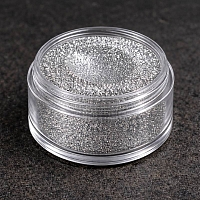
Mica Antique Silver pairs naturally with other decorative additives for layered visual effects. Combining it with Mica and Pigment Mix Liquid Gold 3 g creates a striking transition from cool silver to warm gold, a technique frequently used in jewelry casting and interior decor pieces. For deeper, warmer accents a touch of Mica Covapearl Pure Carmine 3 g introduces a subtle rosy undertone reminiscent of oxidized metal. To boost overall sparkle, finishing a piece with Mica Silver Sparkle 3 g adds visible depth and a livelier shine under changing light conditions.
Store the pigment in a tightly sealed container, away from moisture and direct sunlight, since contact with water may cause the particles to clump. Under proper storage conditions the product retains its qualities for a long time, making the 100 gram format a reasonable option for ongoing studio or small-batch production work.
Aged silver highlighter stick
Cosmetic base wax blend 40 g
Jojoba oil 15 ml
Fractionated coconut oil 10 ml
Mica Antique Silver 4 g
Mica Silver Sparkle 1 g
Melt
the wax blend together with jojoba and coconut oil in a double boiler at around
65°C until fully liquid. Remove from heat and sift in the Mica Antique Silver,
whisking continuously until the pigment is evenly distributed with no visible
streaks. Add the Silver Sparkle mica and stir briefly to keep the sparkle
particles suspended rather than settling. Pour the warm mixture into a stick or
pan mold, tap gently to release air bubbles, and let it cool undisturbed at
room temperature for at least two hours before unmolding or packaging.