What Makes Rosehip Oil a Reliable Choice for Repair-Focused Skincare Formulas
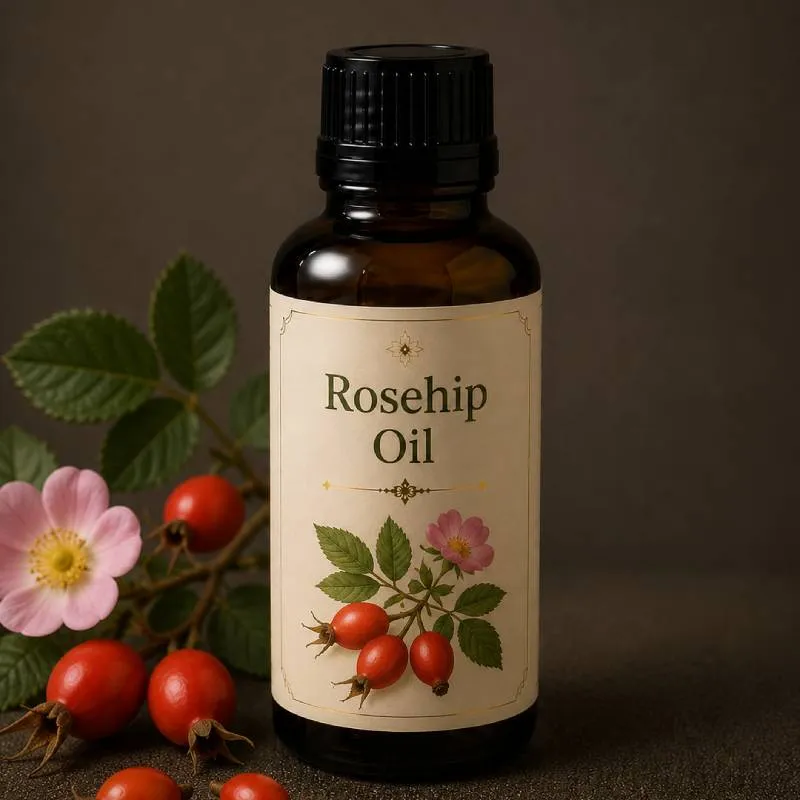
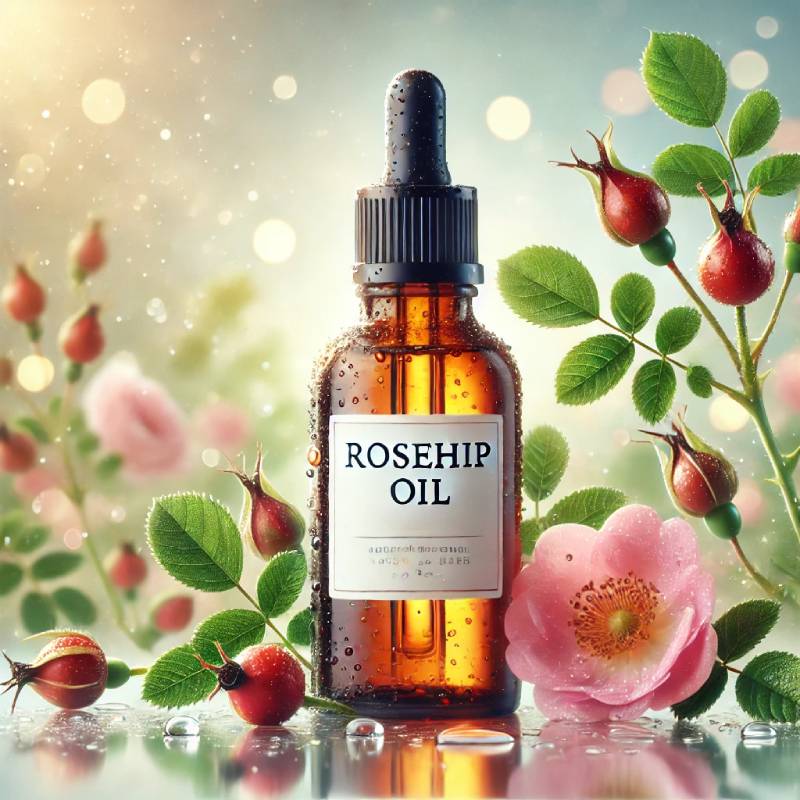
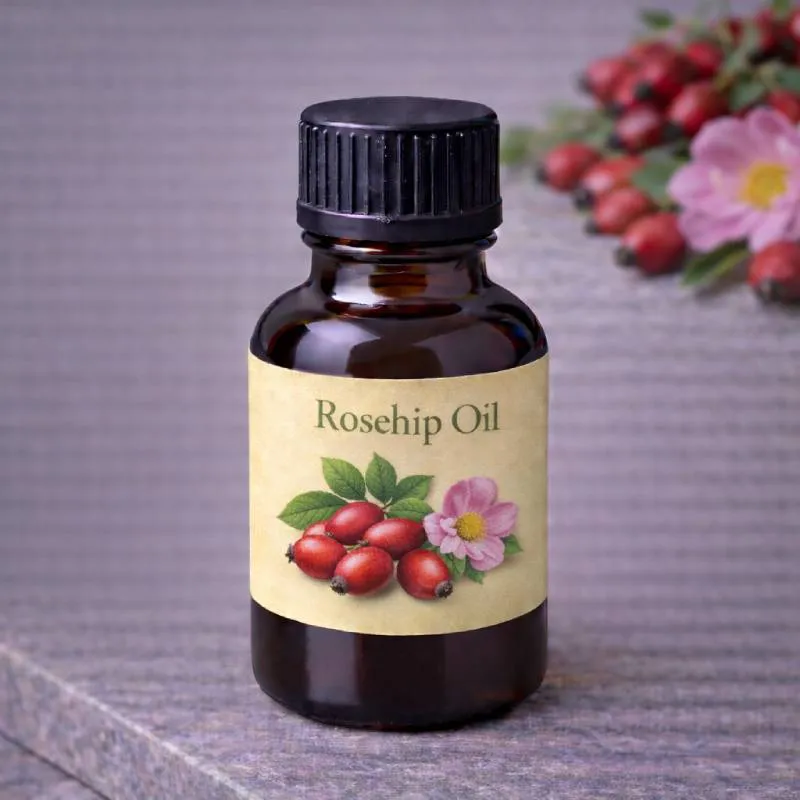
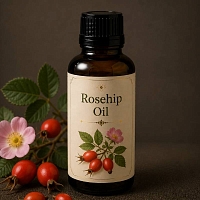
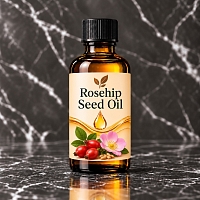
Rosehip oil is cold pressed from the seeds of wild rosehip shrubs, which allows the finished oil to retain a rich concentration of polyunsaturated fatty acids, carotenoids and natural antioxidants. This product belongs to the Liquid Basic Oils category, which brings together carrier oils used for skin and hair care as well as for building emulsions, serums and balms. The 100 ml bottle is a practical choice for home cosmetic making, formula testing and small trial batches before scaling up production.
The main demand for rosehip oil comes from professional and home skincare: anti-aging creams and serums, delicate eye-area treatments, elasticity-boosting body products, after-sun oils, and formulas for rough or flaking skin. Thanks to a high share of linoleic and linolenic acid, the oil supports lipid barrier repair, which is why it is frequently included in formulas designed for dry and mature skin, as well as in cuticle, nail and hair-tip treatments. In pharmaceutical practice rosehip oil is used as a carrier base for ointments and balms, in aromatherapy it serves as a dilution oil for essential oils, and in industrial cosmetic manufacturing it works as a functional additive within large-scale emulsion production.
The oil blends easily with other carrier oils, allowing formulators to build mixtures balanced in both texture and function. It pairs well with Avocado Oil, which brings extra nourishment and emollience to a blend, and with Corn Germ Oil, rich in tocopherols and adding oxidative stability to a formula. For lighter emulsions and fast-absorbing products, rosehip oil is often combined with Refined Cotton Oil, which gives the blend a thinner texture while keeping it nourishing, suitable for summer body formulas.
The recommended usage rate for rosehip oil in cosmetic formulas ranges from 3 to 15 percent depending on the type of product: facial serums and concentrated treatments typically use 5-10 percent, body creams use 3-7 percent, while the pure oil can be applied directly to specific problem areas of the skin. It should be added during the cooling phase of an emulsion, at a temperature not exceeding 40-45 degrees Celsius, to protect the heat-sensitive fatty acids and carotenoids. In balm and ointment production the oil can be added right after the base is removed from a water bath.
Rosehip oil should be stored in a tightly closed container in a cool dark place away from direct sunlight and heat sources due to the high content of unsaturated fatty acids. Once opened it is recommended to use within a few months; adding a natural antioxidant to the finished formula can help maintain stability of the product.
Repair Facial Serum with Rosehip Oil
Rosehip oil 15 ml
Avocado oil 10 ml
Corn germ oil 5 ml
Vitamin E 1 ml
Frankincense essential oil 3 drops
Combine
all the carrier oils in a clean glass container, add vitamin E as a natural
stabilizer, then stir in the essential oil until fully blended. Transfer the
finished serum into a dark glass bottle fitted with a dropper and apply 3-5
drops to cleansed facial skin in the evening, gently pressing it in with
fingertips until absorbed.
FAQ
What is the minimum wholesale batch and available pack options for Rosehip Oil?
Wholesale batch sizes and packaging options are listed in the product specification available on request.
How does the extraction method affect the quality of Rosehip Oil?
The oil is obtained by cold pressing, which helps retain the natural profile of the product. Details of the extraction for each batch are confirmed in the accompanying documents.
What is the texture, viscosity and absorption of Rosehip Oil?
Rosehip Oil is a liquid oil with characteristic viscosity and absorption.
What is the difference between refined and unrefined Rosehip Oil?
This grade is supplied as a 100 % natural product with INCI Rosa Moschata Seed Oil. The grade and any processing details are stated in the specification available on request.