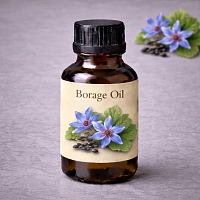
Why Gamma-Linolenic Acid from Borage Seeds Matters for Skin Barrier Repair
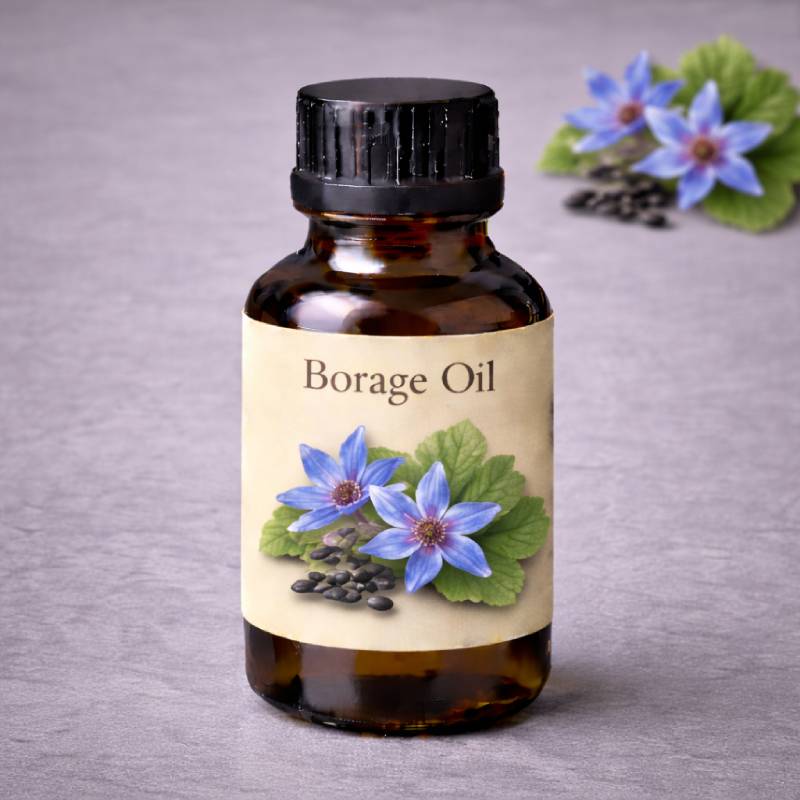
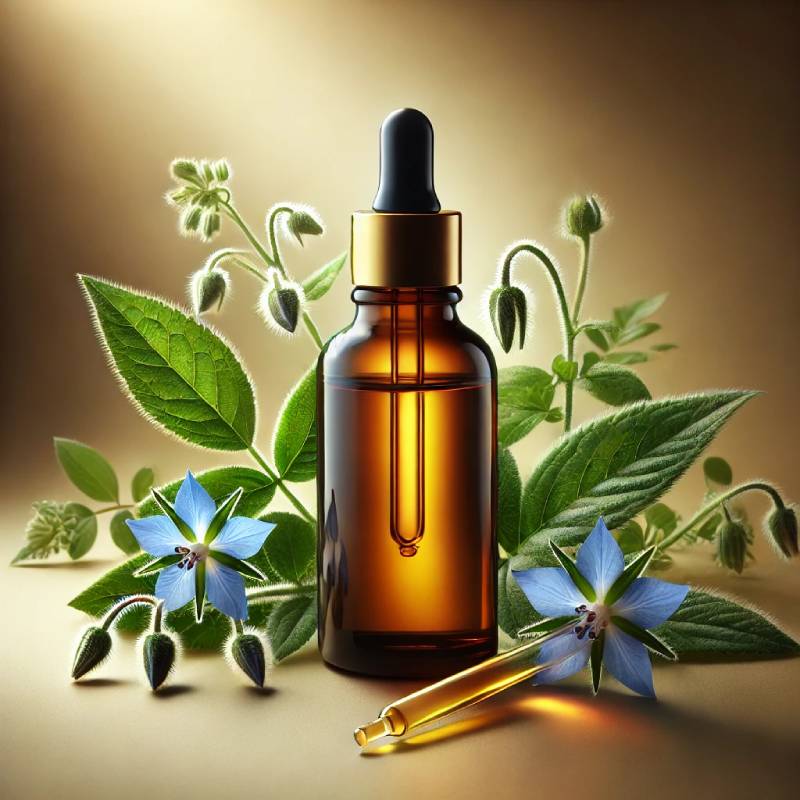
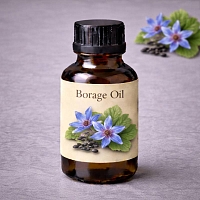
Borage, sometimes called starflower, produces one of the rarest plant oils in terms of gamma-linolenic acid content, a fatty acid that is difficult to find in comparable concentrations in other widely available botanical sources. This is why borage oil is highly valued in formulations for professional skincare and small-batch cosmetic production, particularly in products targeting mature skin, dryness, and loss of elasticity. This product belongs to the Liquid Basic Oils category, which brings together lightweight carrier oils known for fast absorption and versatility across facial, body, and hair care formulas.
The primary application of borage oil lies in skincare: serums, eye contour creams, anti-aging emulsions, and products designed to restore the lipid barrier of the skin. Its high gamma-linolenic acid content makes it a sought-after ingredient for formulas targeting mature, dehydrated, or reactive skin types. Beyond color and skincare cosmetics, the oil is used in hair strengthening treatments, nail care formulations, and products developed for sensitive skin prone to flaking. The food supplement industry also relies on borage oil as a source of essential fatty acids, though the bulk of global demand remains firmly rooted in the cosmetic sector.
Thanks to its light texture, borage oil pairs well with heavier base oils, balancing out their density in a formula. Combined with Chokeberry Oil 50 ml, it reinforces the antioxidant profile of a blend, making it suitable for formulas aimed at protecting skin from environmental stress. In lighter serums and emulsions, borage oil is frequently paired with Cotton Oil Refined 50 ml, which adds extra lightness to the texture without weighing down the final product. For formulations focused on nourishment and recovery, adding Amaranth Oil 10 ml is a practical option, as its own set of active compounds complements borage oil to deliver a combined effect for tired, dehydrated skin.
Borage oil should be introduced in the cold phase of a formulation, at temperatures not exceeding 40 degrees Celsius, to preserve the activity of its fatty acids. Typical usage rates in finished cosmetic products range from 3 to 10 percent of the total formula weight depending on the product type: serums and concentrates can carry a higher percentage, while creams and emulsions usually call for a moderate dose. The oil should not be heated beyond this threshold or exposed to prolonged light and oxygen, as this accelerates oxidation of its unsaturated fatty acids. Store the product in a tightly sealed container, in a cool place away from direct sunlight, ideally refrigerated once opened.
The 100 ml size is well suited for home cosmetic making, formula testing, and small studio batches, allowing formulators to check ingredient compatibility before scaling up a recipe.
Repair Night Serum with Borage Oil
Borage oil 18 ml
Amaranth oil 6 ml
Vitamin E 2 ml
Natural emulsifier 7 ml
Rose hydrolate 65 ml
Stabilizing extract 2 ml
Warm
the hydrolate slightly and blend it with the emulsifier until smooth. In a
separate container combine the borage oil, amaranth oil, and vitamin E, then
slowly pour the oil blend into the water phase while stirring continuously
until a uniform emulsion forms. Add the stabilizing extract at the end, mix
thoroughly, and transfer the finished serum into a clean dispenser bottle. Keep
the product in a cool place away from direct light.