Product Description
Sourcing and specification angle for global buyers
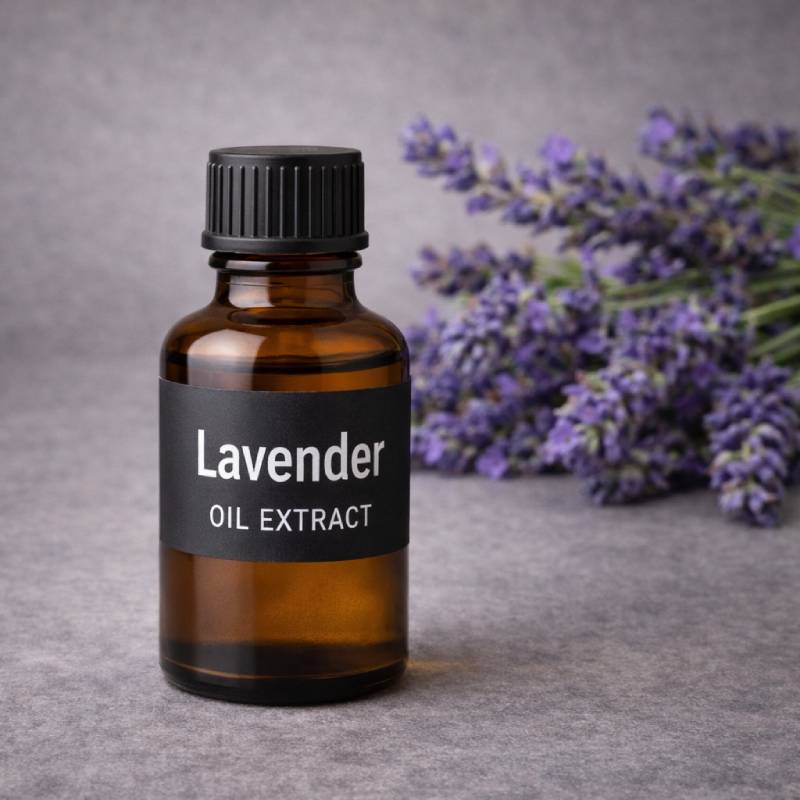
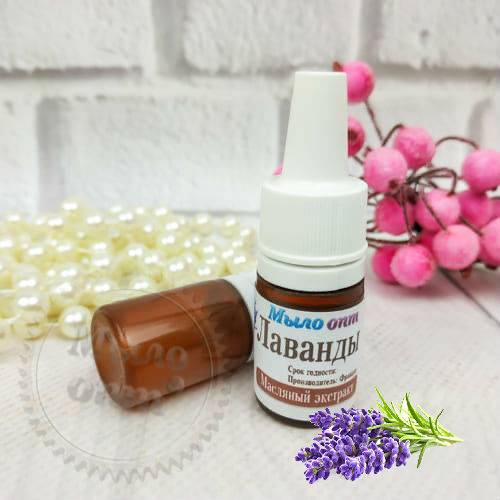
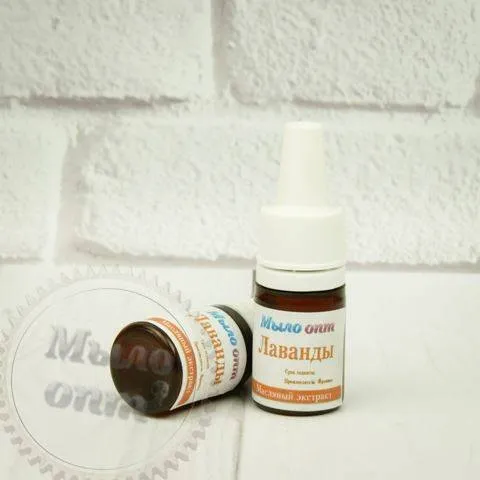
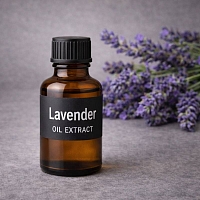
Lavender Oil Extract comes from France where it is prepared through controlled oil extraction at temperatures between 50 and 60 degrees Celsius over 36 to 72 hours. The resulting material arrives in 5 ml containers as a viscous oily liquid carrying the INCI designation Lavandula Angustifola (Lavender) Oil Extract. Oil Extracts of this quality meet the needs of laboratories that require traceable botanical inputs for repeatable results. International supplement producers and cosmetic manufacturers value the consistent sensory profile and fat-soluble nature that allows seamless integration into diverse product lines without altering base textures.
Technical parameters and handling guidelines
Input levels range from 0.05 to 5 percent added during the cool-down phase while keeping the mixture below 40 degrees Celsius. The extract remains fully soluble in lipid phases and shows stability when stored in cool dry locations away from direct light until December 2028. Lavender Oil Extract 1 L provides an economical option for scaling pilot batches into full production runs. Food industry clients incorporate measured amounts into functional blends where the mild aromatic character complements other botanical components without introducing bitterness.
Role in cosmetic laboratory formulations
Cosmetic labs utilize the extract to impart a gentle refreshing sensation in facial serums, body creams and post-procedure oils. It supports skin comfort by helping maintain surface hydration and suppleness when included at appropriate percentages. Hair care developers add small quantities to pre-shampoo applications or leave-in conditioners to improve manageability and reduce the appearance of dryness along the lengths. The material pairs effectively with carrier oils such as jojoba or rosehip to create balanced anhydrous systems suitable for sensitive skin types.
Applications in dietary supplements and food production
Manufacturers of dietary supplements source this botanical raw material for inclusion in capsule blends, powdered drink mixes and nutritional bars. Botanical Extracts like this one allow formulators to achieve uniform distribution of natural fragrance notes across large volumes. Confectionery producers experiment with low percentages in chocolate coatings or herbal infusions where the subtle floral character enhances overall sensory appeal. Wholesale buyers and smaller factories alike receive the product in protective packaging that preserves quality during global transit.
Practical example formulation for a scalp care oil
A simple anhydrous scalp oil can be prepared by combining 78 percent jojoba oil, 15 percent Lavender Oil Extract, 5 percent rosehip oil and 2 percent vitamin E. All components are blended at ambient temperature in a dark glass container of suitable volume. The finished mixture is applied sparingly to the scalp two to three times weekly and left for 15 to 20 minutes before rinsing. This yields a stable product that maintains its properties when kept under the recommended storage conditions.
Storage recommendations and shelf considerations
Proper storage in a cool dry environment shielded from light extends usability through the labeled date of December 2028. Periodic checks of aroma and clarity help confirm that the material remains within specification for ongoing production use. Temperature excursions above 40 degrees Celsius during processing should be avoided to retain the delicate volatile fraction.
Frequently asked questions
What is the recommended maximum temperature during incorporation?
Process temperatures must stay below 40 degrees Celsius once the extract is introduced to protect aromatic integrity.
Can this material be used in clear lipid blends?
Yes, complete solubility in oils permits transparent finished formulations without clouding.
Is the extract appropriate for supplement manufacturing?
It serves as a botanical raw material in dietary supplement and functional food applications worldwide.
How does French origin influence batch consistency?
Origin from France supports predictable sensory attributes across multiple production lots for B2B clients.