L-Tyrosine: The Multifaceted Amino Acid for Skin and Hair Vitality
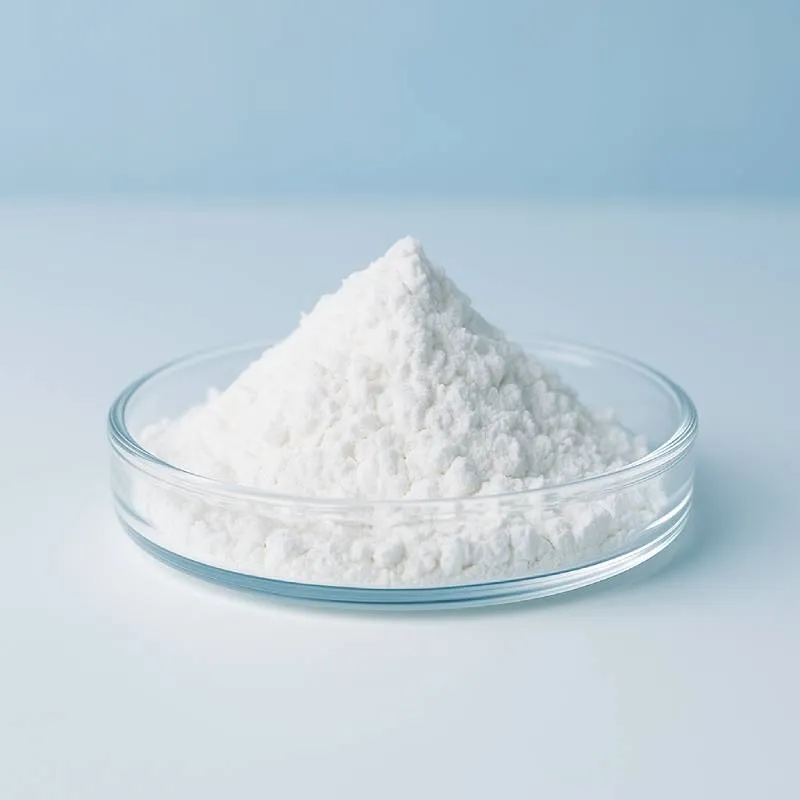
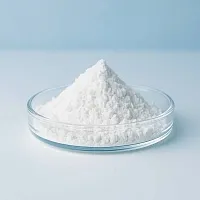
Unleash the natural power of your skin and hair with our premium L-Tyrosine, a high-quality white crystalline powder meticulously sourced from Germany. This essential amino acid, also known as the "amino acid for stimulating melanin synthesis, improving cellular metabolism, strengthening skin and hair, and maintaining barrier and protective functions," offers a unique array of benefits. With its near-absent to slightly cocoa-like aroma and a pH of 5.0–6.5 (in a 1% solution), L-Tyrosine is a versatile ingredient designed to enhance your cosmetic formulations for healthier, more resilient skin and hair.
Description and Key Properties
L-Tyrosine (INCI: Tyrosine) is a non-essential amino acid, crucial as a precursor for various vital biological compounds, including melanin (the pigment responsible for skin and hair color) and dopamine (a neurotransmitter). In cosmetic applications, its unique properties translate into significant benefits for cellular health, protection, and overall appearance. While sparingly soluble in cold water, it dissolves well in hot water and acids, and is insoluble in oils, making it adaptable for various formulations.
Key properties and benefits:
- Melanin Synthesis & Photoprotection: L-Tyrosine is a key component in the production of melanin, which naturally protects the skin from UV-induced photodamage. It supports the skin's inherent defense mechanisms against sun exposure.
- Cellular Activity Stimulation: It actively participates in cellular metabolism, promoting cell regeneration and overall skin vitality, which contributes to a healthier complexion.
- Hair and Follicle Strengthening: This amino acid plays a role in fortifying hair structure and bolstering hair follicles, leading to stronger, more resilient hair that's less prone to breakage.
- Stress-Related Skin Improvement: L-Tyrosine is involved in the synthesis of neurotransmitters like dopamine, which can indirectly help improve the skin's overall condition during periods of stress, potentially reducing stress-induced skin concerns.
- Antioxidant Properties: While not its primary function, L-Tyrosine can contribute to the skin's antioxidant defense system, helping to neutralize free radicals and mitigate environmental damage.
Versatile Applications and Areas of Use
L-Tyrosine is a highly versatile ingredient with broad applications across cosmetics and other industries, leveraging its multifaceted benefits for skin, hair, and overall well-being (not suitable for candles).
Dosage: The recommended concentration of L-Tyrosine in cosmetics is 0.5–2% in serums and creams. For pre- and post-tanning products, it can be included at up to 3%, and for hair products, up to 5%.
Cosmetic Recipe: "Sun Kissed Glow" Pre-Tan Activating Serum
Create a pre-tan activating serum designed to prepare your skin for sun exposure and enhance its natural tanning process, featuring L-Tyrosine.
|
Ingredient
|
Percentage (%)
|
Function
|
|
Phase A (Aqueous Phase)
|
|
|
|
Distilled Water
|
Up to 100% (approx. 90.5%)
|
Base of the serum
|
|
Glycerin
|
3%
|
Humectant, draws moisture to the skin
|
|
Xanthan Gum
|
0.2%
|
Gelling agent, thickens the serum
|
|
Phase B (Active Phase - Add below 40°C)
|
|
|
|
L-Tyrosine
|
3%
|
Melanin synthesis, photoprotection
|
|
Panthenol (Vitamin B5)
|
1%
|
Soothes, moisturizes, improves skin barrier
|
|
Allantoin
|
0.5%
|
Soothing, healing, promotes cell regeneration
|
|
Preservative (e.g., Geogard 221)
|
0.8%
|
Protects against microbial growth
|
Instructions for Preparation:
- Sanitize: Thoroughly sanitize all your equipment (beakers, stirring rods, serum bottles) with isopropyl alcohol and allow them to air dry completely.
- Prepare Phase A (Aqueous Phase): In a clean beaker, disperse xanthan gum into glycerin, stirring vigorously to create a lump-free slurry.
- Form the Gel (Phase A): Slowly add the distilled water to the glycerin/xanthan gum slurry while continuously stirring with a mini-mixer or whisk until a clear, homogeneous gel forms. This may take a few minutes for the xanthan gum to fully hydrate and thicken.
- Heat and Dissolve Tyrosine: Gently warm the gel to around 50-60°C (122-140°F). Add L-Tyrosine and stir continuously until completely dissolved. L-Tyrosine is sparingly soluble in cold water but dissolves well in hot water.
- Cool Down: Remove from heat and allow the serum to cool to below 40°C (104°F). Stir occasionally during cooling to prevent skin formation.
- Add Phase B (Active Phase): Once the serum has cooled, add Panthenol, Allantoin, and your chosen preservative. Stir thoroughly after each addition to ensure complete dissolution and even distribution.
- Check pH (Recommended): Test the pH of your finished serum. An ideal pH range for this type of serum is typically 5.0-6.0. Adjust if necessary by adding a tiny drop of diluted lactic acid to lower pH or diluted baking soda solution to raise pH.
- Bottle: Carefully transfer the finished serum into a clean, sterile serum bottle with a dropper or pump.
Recommendations for Application and Use:
- L-Tyrosine Solubility: Remember that L-Tyrosine is poorly soluble in cold water but dissolves in hot water. Ensure your aqueous phase is sufficiently warm (as indicated in step 4) to fully dissolve the L-Tyrosine, then cool before adding other heat-sensitive ingredients.
- Dosage: The 3% concentration of L-Tyrosine in this pre-tan serum is within the recommended range for sun preparation products, supporting natural melanin production.
- Application: Apply the serum evenly to clean, dry skin on areas that will be exposed to the sun (face, arms, legs) daily for at least 3-5 days before sun exposure. This allows L-Tyrosine to integrate and support the melanin synthesis process.
- Important Note: This serum is not a substitute for sunscreen. Always follow up with a broad-spectrum sunscreen (SPF 30 or higher) when exposed to UV radiation to protect your skin from harmful effects.
- Storage: Store the finished serum in a cool, dark place, away from direct sunlight, to maintain its efficacy and extend shelf life.
- Patch Test: Always perform a patch test on a small, inconspicuous area of skin before widespread use, especially if you have sensitive skin or are new to an ingredient.