-
 Absolutes
-
 Active Complexes
-
 Actives & Peptides
-
 Amino Acids & Proteins
-
 Food Flavors
-
 Ayurvedic Ingredients & Herbs
-
 Vitamins & Coenzymes
-
 Chocolate Making Supplies
-
 Thickeners & Gelling Agents
-
 Hydrosols & Floral Waters
-
 Hydrolyzed Proteins
-
 Fragrance Ingredients
-
 Nutraceutical Ingredients
-
 Acids, Salts, Alcohols & Alkalis
-
 Preservatives & Antioxidants
-
 Cosmetic Ingredients
-
 Colorants, Micas & Glitters
-
 Masks, Scrubs & Botanicals
-
 Oils & Butters
-
 Candle Making Supplies
-
 Melt and Pour Soap Bases
-
 Cream, Lotion & Hair Care Bases
-
 Fragrance Oils & Industrial Aromatics
-
 Cleansing Agents & Surfactants
-
 Peeling Actives & Acids
-
 Cosmetic Powders
-
 Solvents & Humectants
-
 Silicones & Conditioning Agents
-
 Bottles, Jars & Vials
-
 Silicone & Plastic Molds, Tools
-
 Botanical Extracts
-
 Cosmetic Emollients
-
 Emulsifiers
-
 Essential Oils
- Absolutes Wholesale 87
- Active Complexes for Cosmetics Wholesale 388
- Amino Acids & Proteins Wholesale 90
- Antioxidants Wholesale 293
- Ayurvedic Powders Wholesale 273
- Biocides Wholesale 16
- Thickeners and Gelling Agents in Bulk 112
- Bulk Hydrosols for Cosmetics 10
- Hydrocolloids in Bulk 5
- Hydrolyzed Proteins Wholesale 106
- Aromatic Fragrant Waters Wholesale 27
- Fragrance Ingredients Bulk 168
- Preservatives & Antioxidants Wholesale 157
- Corneotherapy Wholesale 10
- Cosmetic Clay Wholesale 14
- Neutralizers/pH Correctors Wholesale 17
- Surfactants Wholesale 144
- Cosmetic Peelings Wholesale 77
- Cosmetic Powders Wholesale 403
- Silicones and Conditioning Surfactants for Hair Wholesale 116
- Resins and Resinoids Wholesale 17
- UV and SPF Filters Wholesale 84
- Cosmetic Emollients Wholesale 132
- Emulsifiers Wholesale 328
- Enzymes, Filtrates and Lysates in Bulk 35


Enzymes, Filtrates and Lysates in Bulk

 Add to cart
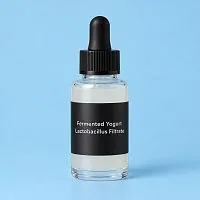




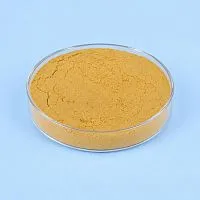
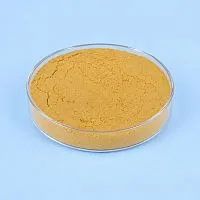


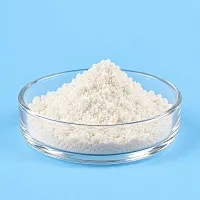
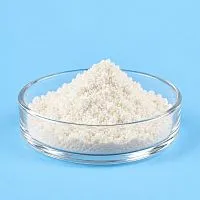





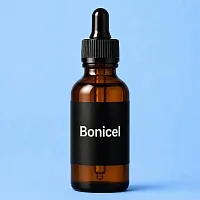
Bioactive raw materials for skin and hair formulations
This section brings together enzymes, plant and marine filtrates, and cell lysates used as functional additives in cosmetic formulations. These ingredients are valued for their biological activity: enzymes support the breakdown of specific molecules within a formula, while filtrates and lysates carry concentrated bioactive compounds extracted from plant, algal, or cellular sources. Formulators use them to enrich creams, serums, emulsions, and hair care bases with targeted functional properties.
Because these are concentrated raw ingredients rather than finished products, they fit into a wide range of formulations: brightening and soothing serums, barrier-support creams, scalp and hair treatments, anti-pollution emulsions, and multi-phase skincare systems. They are frequently combined with stabilizing components such as those found in Preservatives and Antioxidants Wholesale to maintain formula integrity over time, or blended with light aqueous carriers like those in Aromatic Fragrant Waters Wholesale to build multi-functional finished products for both home-based and industrial cosmetic manufacturing.
Enzymes, filtrates, and lysates: what sets them apart
Within this group, enzymes work on a different principle than filtrates or lysates. An enzyme acts as a catalyst, supporting a specific reaction inside a formula, such as gentle surface exfoliation or the breakdown of particular substrates during processing. Filtrates and lysates, by contrast, are extraction products: they carry a broad mix of bioactive compounds pulled from plant tissue, marine biomass, or cellular material, and they contribute more generally to a formula's conditioning, antioxidant, or soothing profile.
An ingredient like ACB Olive Leaf Extract PF, available in both a 100 ml and a 1 L format, is a good example of a plant filtrate valued for its polyphenol content and its role as a supporting antioxidant in aqueous and emulsion systems. Superoxide Dismutase Powder SOD sits in a related but distinct category: as an enzyme, it is typically dosed in small amounts and introduced into the cool phase of a formulation to preserve its activity.
Choosing a raw material and building a formula around it
Selection usually starts with the finished product's target function rather than the raw material itself. A formulator working on a barrier cream, a soothing serum, or a scalp treatment will look at solubility, recommended dosage, and phase compatibility before adding an enzyme or filtrate to the batch. Bonicel and Celldetox, each offered in 100 ml and 1 L sizes, illustrate how concentrated bioactive blends are typically dosed at low percentages and integrated into the water phase or added post-emulsification, depending on their stability profile.
These raw materials rarely work alone in a formula. They are commonly paired with emulsifying systems from Emulsifiers Wholesale to build stable creams and lotions, and with preservative systems to keep the finished batch microbiologically safe over its shelf life. Combining an enzyme with a compatible carrier and a well-matched preservative is usually more important for the final result than the concentration of the active alone.
Origin, format, and storage
Raw materials in this section are sourced from established cosmetic ingredient producers in Italy, the United States, France, and the Netherlands, reflecting the range of extraction and biotechnology methods used to obtain enzymes, filtrates, and lysates. Most items are supplied in liquid or powder form, in pack sizes such as 100 ml, 1 L, or 100 g, which allows both small-batch formulators and larger production lines to order proportionate quantities.
Because bioactive compounds can lose potency when exposed to heat, light, or air, these ingredients should be stored in tightly closed original packaging, away from direct sunlight, and at the temperature range indicated on the label. Powdered enzymes such as Superoxide Dismutase are generally more stable in storage than liquid filtrates, though both benefit from consistent, moderate storage conditions to preserve their activity until they are used in a formulation.
FAQ
What is the difference between an enzyme and a filtrate in cosmetic formulations
Enzymes are isolated proteins that trigger specific biochemical reactions within a formula, while filtrates are liquid extracts carrying a broader mix of bioactive compounds from plant, algal, or cellular sources. Both add functional value, but enzymes act more precisely and filtrates contribute complex, multi-component activity.
How should bioactive filtrates and lysates be stored
Most filtrates and lysates are sensitive to heat, light, and prolonged air exposure, so they should be kept refrigerated in tightly closed, opaque containers. Always check the specific ingredient sheet, since stability windows and recommended storage temperatures vary between materials.
Can enzymes and filtrates be combined with other active ingredients in one formula
Yes, they are commonly blended with humectants, emollients, and stabilizing agents to build multi-phase creams and serums. Compatibility depends on pH, temperature stability, and the other actives present, so small-batch testing before scaling production is recommended.
What concentration of filtrate or lysate is typically used in a formula
Usage levels vary widely depending on the specific ingredient and desired effect, often ranging from a small fraction of a percent to several percent of the total formula. Manufacturers should follow supplier recommendations and run their own stability and compatibility trials.
Are these raw materials suitable for both small-batch and industrial cosmetic production
Yes, enzymes, filtrates, and lysates are supplied as concentrated raw ingredients that scale from small home-based batches to full industrial manufacturing lines. Dosage and processing conditions should be adjusted according to batch size and equipment used.
Recommendations
When choosing an enzyme, filtrate, or lysate for a formulation, match the ingredient to the functional goal of the product, such as brightening, soothing, or barrier support, rather than selecting by trend alone. Check compatibility with the rest of the formula, including pH range and thermal stability, before committing to a full batch. For questions on a specific lot or formulation pairing, reach out by email and our team will help identify a suitable option.