-
 Absolutes
-
 Active Complexes
-
 Actives & Peptides
-
 Amino Acids & Proteins
-
 Food Flavors
-
 Ayurvedic Ingredients & Herbs
-
 Vitamins & Coenzymes
-
 Chocolate Making Supplies
-
 Thickeners & Gelling Agents
-
 Hydrosols & Floral Waters
-
 Hydrolyzed Proteins
-
 Fragrance Ingredients
-
 Nutraceutical Ingredients
-
 Acids, Salts, Alcohols & Alkalis
-
 Preservatives & Antioxidants
-
 Cosmetic Ingredients
-
 Colorants, Micas & Glitters
-
 Masks, Scrubs & Botanicals
-
 Oils & Butters
-
 Candle Making Supplies
-
 Melt and Pour Soap Bases
-
 Cream, Lotion & Hair Care Bases
-
 Fragrance Oils & Industrial Aromatics
-
 Cleansing Agents & Surfactants
-
 Peeling Actives & Acids
-
 Cosmetic Powders
-
 Solvents & Humectants
-
 Silicones & Conditioning Agents
-
 Bottles, Jars & Vials
-
 Silicone & Plastic Molds, Tools
-
 Botanical Extracts
-
 Cosmetic Emollients
-
 Emulsifiers
-
 Essential Oils
- Antioxidants 122
- Biocides 12
- Hydrosols (Hydrolates) 11
- Hydrocolloids for Cosmetics 10
- Others 70
- Fragrant Waters for Cosmetics 26
- Mineral Cosmetic Ingredient 194
- Functional Components 5137
- Corneotherapy 17
- Liposomes for Cosmetics 21
- Minerals 76
- pH Neutralizers/Correctors 20
- Resins and Resinoids 17
- UV and SPF Filters for Cosmetics 95
- Fruit Powders 15
- Chemical Raw Materials 155
- Enzymes, Filtrates, and Lysates 26
- Cargill France SAS – Oils and Actives 10
- BASF Cognis Care Chemicals 12
- Vitamins & Coenzymes Wholesale 156
- Bulk Waxes for Cosmetics 61
- Others Wholesale 89
- Acids, Salts, Alcohols & Alkalis Wholesale 136
- Cosmetic Ingredients Wholesale 2549
- Food grade raw materials wholesale 13
- Fruit Powders in Bulk 23
- Antioxidants bulk 1
- Acids and Alkalis Wholesale 17
- Preservatives Bulk 5
- Bulk Surfactants 3
- Emulsifiers Bulk 14
- Hydrosols Bulk 210


Biocides

 Add to cart
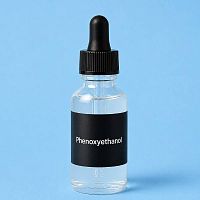


Antimicrobial protection across creams, emulsions and rinse off products
This section covers biocides used to protect cosmetic formulations from bacteria, yeast and mold growth during storage and use. The range includes broad spectrum and targeted antimicrobial agents suited to different pH levels, phases and finished product types, giving formulators options beyond a single generic preservative choice.
Biocides are selected based on the water content, packaging format and intended shelf life of a formulation. A lightweight lotion in a jar faces different contamination risks than an anhydrous balm or a sealed airless pump, so the choice of active and its concentration shifts accordingly. Many of these ingredients also work alongside broader formulation elements found in Functional Components, where stabilizers and texture agents interact with the preservation system to keep a batch consistent over time.
Choosing the right biocide also depends on regulatory limits and compatibility with other actives in the formula, since some combinations can reduce efficacy or shift the final pH. Formulators working across multiple product lines often review the full Cosmetic Ingredients Wholesale range to match preservation strategy with the rest of a batch recipe rather than treating it as a separate afterthought.
Types of Preservative Systems and How They Differ
Preservative chemistry in this category ranges from single molecule biocides to blended systems designed to cover a wider spectrum of microorganisms at once. Some actives target gram positive and gram negative bacteria specifically, while others are chosen mainly for their fungicidal and yeast inhibiting properties, so a formulator often needs more than one tool depending on the water activity of the batch.
Concentration and solubility also separate these ingredients from each other. A water soluble biocide behaves differently in an emulsion than in a purely aqueous gel, and some actives require a specific pH window to stay effective, which is why pairing them correctly with acids and buffering agents matters. For formulas that need pH adjustment alongside preservation, the Acids, Salts, Alcohols, and Alkalis Wholesale range covers the buffering side of that balance.
Matching a Biocide to the Formula and What It Pairs With
Selection usually starts with the finished product type rather than the ingredient itself. A rinse off shampoo, a leave in emulsion and an anhydrous balm each carry different contamination risk, so the same biocide rarely fits all three at the same concentration. Packaging plays a role too, since airless pumps and sealed tubes limit air exposure compared to open jars, which can lower the required preservation load.
Preservation rarely works in isolation from the rest of a formula. Waxes and butters used for texture and structure, available in Bulk Waxes for Cosmetics, can affect water distribution within an emulsion and therefore how a biocide performs. Watery bases such as those found in Hydrosols Bulk or in the Fragrant Waters for Cosmetics line also add microbial load that needs to be accounted for from the start of formulation, not added as an afterthought once a batch is already mixed.
Origin, Storage and Compatibility Notes
Some antimicrobial actives in this range, including Chlorhexidine digluconate 20% 25 g, are sourced from Germany, and formulators working with imported actives should keep containers tightly closed and stored away from direct light and heat to preserve activity between production runs. Cross checking a new biocide against active ingredients already used in a line, including those in Vitamins Wholesale, helps avoid unexpected drops in efficacy from ingredient interaction.
For less common preservation needs or specialty actives that fall outside the main categories, the Others section and its bulk counterpart, Others Wholesale, are worth reviewing alongside the main preservative range when a formula calls for something outside the standard lineup.
FAQ
How do I choose a preservative for a water based cream or lotion
Look at the water content, pH range and packaging of your formula first. High water activity products need broad spectrum protection against bacteria, yeast and mold, while the packaging format, jar versus airless pump, affects how much contamination risk the biocide needs to cover.
Can preservatives be combined with other actives in a formulation
Yes, but compatibility matters. Some actives can shift the final pH or reduce a biocide's efficacy when combined, so it is worth reviewing how a chosen preservative behaves alongside stabilizers, acids or other functional ingredients before finalizing a batch.
What is the difference between broad spectrum and targeted antimicrobial agents
Broad spectrum options protect against a wide range of bacteria, yeast and mold and suit most general formulations. Targeted agents are chosen for specific contamination risks or pH windows, giving formulators a more precise tool when a generic preservative is not the ideal fit.
Do anhydrous balms need the same preservation as emulsions
Not necessarily. Anhydrous balms have low water activity and face different contamination pressure than lotions or emulsions, so the biocide type and concentration used is usually adjusted rather than applying the same approach across every product format.
Recommendations
Match the biocide to your formulation's water content, pH and packaging before ordering, since these factors determine which active and dosage will actually hold up through the intended shelf life. If you are testing a new product line, request a small trial quantity first to confirm compatibility with your other ingredients. For a specific batch or ongoing supply, reach out by email with your formulation details and our team can help narrow down the right option.



