Bulk Coconut Oil for Food, Cosmetic and Candle Manufacturing
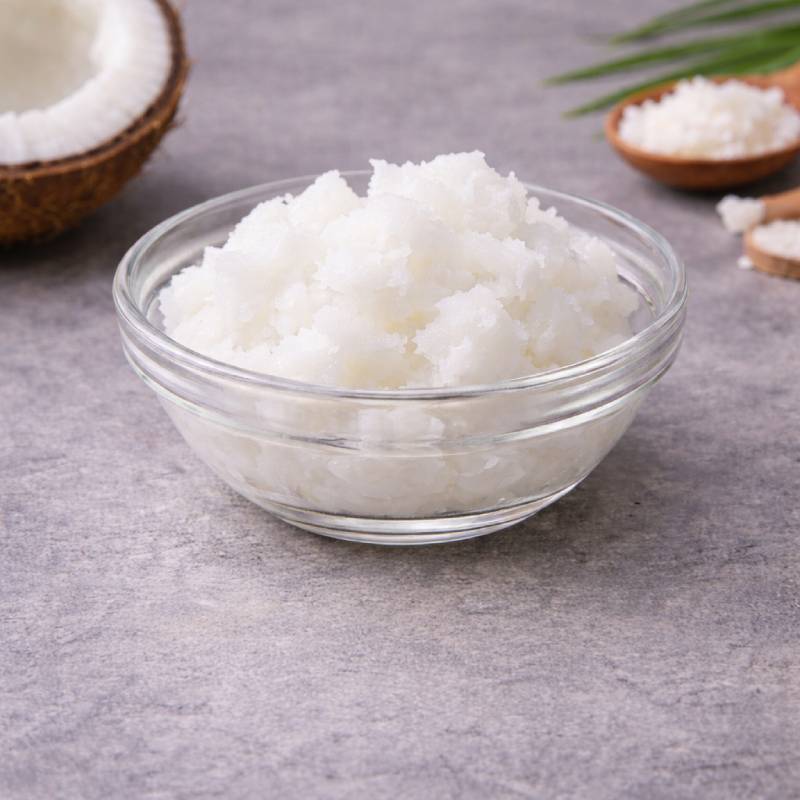
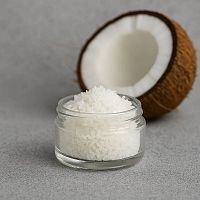
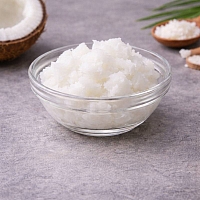
Unrefined coconut oil in a 10 liter container is built for manufacturers who need dependable raw material supply and consistent formulation results batch after batch. This solid-at-room-temperature vegetable oil belongs to the butters category and is used across a wide range of industries, from food processing and catering to cosmetic manufacturing, candle making and household chemical goods. The largest share of global demand for coconut oil comes from confectionery and bakery production, where it replaces cocoa butter and animal fats, as well as from cosmetic manufacturers who rely on it as a base for creams, balms and protective products.
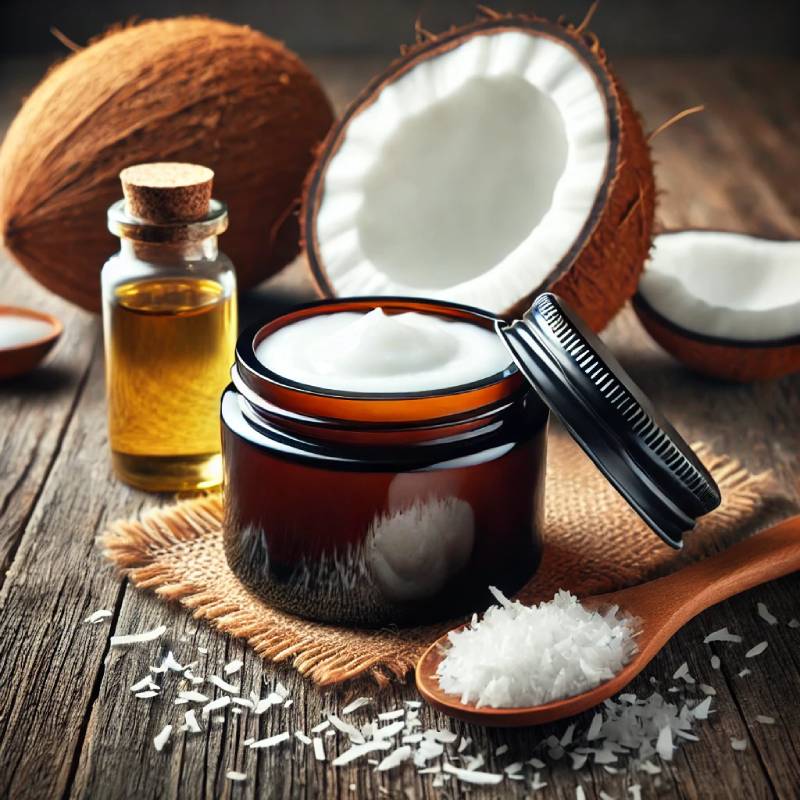
In food production, unrefined coconut oil is valued for its distinctive nutty aroma and a melting point around 24-25 degrees Celsius, which makes it convenient for frying, baking, fillings and glazes. In cosmetic manufacturing, the oil is introduced into creams, masks, lip balms and body products during the oil phase stage, heated to 60-70 degrees together with other oils and waxes. It blends well with lighter butters such as lime butter, which softens its dense texture and adds citrus notes, or refined orange butter, commonly used in body and hair formulas. To increase firmness and plasticity in industrial recipes, coconut oil is often combined with unrefined palm oil, creating a stable base for solid balms, candles and protective sticks.
Unrefined coconut oil is supplied in transport packaging starting from 10 liters. Further options for solid oils and butters in bulk are listed on the page Solid Oils and Butters Bulk Wholesale. The product keeps its characteristic scent and solid texture at room temperature.
At a 10 liter volume, this product is intended for conveyor-line and semi-industrial production: cosmetic workshops, small food facilities, candle manufacturing lines, confectionery producers and household chemical plants. This packaging allows raw material to be loaded into production batches without frequent container changes and supports long-term purchasing planning, which matters for facilities running continuous cycles. Recommended dosage of coconut oil in cosmetic formulations ranges from 5 to 30 percent of the total oil phase weight, while proportions in food products depend on the specific technological recipe. In candle production, the oil is added to melted wax at 10-20 percent to improve plasticity and lower the solidification temperature.
Store coconut oil in a tightly sealed container, in a dry space at temperatures between 18 and 25 degrees, away from direct sunlight. When the temperature drops, the oil solidifies into a dense crystalline mass, which does not affect its quality — simply melt it in a water bath before use. Thanks to a high share of saturated fatty acids, the product resists oxidation well, so under proper storage conditions its shelf life can reach up to two years from the production date.
Solid Body Balm Bar with Coconut Base
Unrefined coconut oil 350 g
Unrefined palm oil 120 g
Orange butter 40 g
Beeswax 80 g
Vitamin E 5 ml
Melt all fat components together in a water bath at 65-70 degrees, stirring continuously until the wax dissolves completely and the mixture becomes uniform. Remove from heat, cool the mass to around 45 degrees, then stir in the vitamin E. Pour the warm mixture into molds or tins and leave undisturbed at room temperature until it fully solidifies before packaging.
INCI name for label declarations: Cocos Nucifera Oil.
FAQ
How should unrefined coconut oil be stored after opening?
Store in a cool dark place in a tightly closed container. Follow the storage conditions stated on the label for each batch.
What is the fatty acid profile and oxidative stability of unrefined coconut oil?
The profile is listed in the product specification.
What is the shelf life of unrefined coconut oil and how to detect rancidity?
The indicated shelf life is until 10.2028 under proper storage. Check appearance and odor; refer to the label or specification for exact dates.
How does unrefined coconut oil combine with other oils or actives?
It is compatible as a base oil in formulations from 1 to 100 %. Test compatibility in small batches according to your recipe.