Pear Fiber for cosmetic formulations and textured personal care products
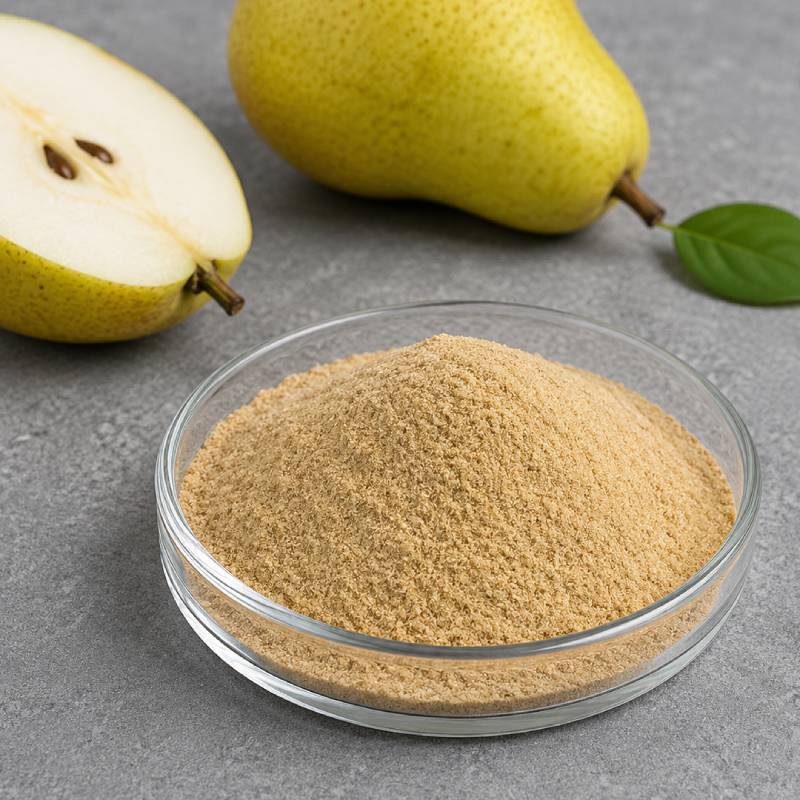
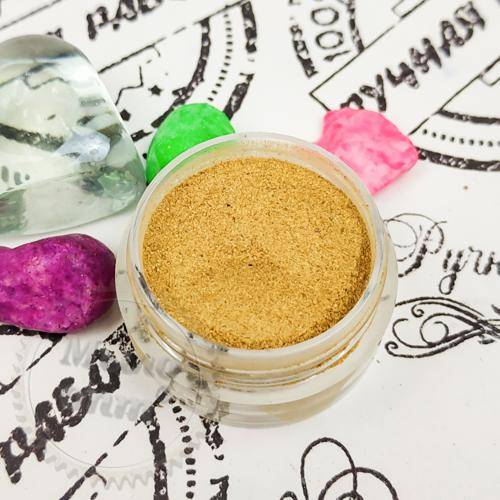
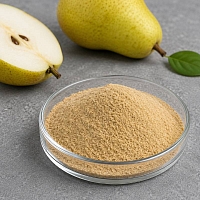
Pear Fiber is a plant-based powdered material used in the development of textured cosmetics, body scrubs, cleansing powders, dry masks, handmade soap, wash-off treatments, and professional SPA products. It is suitable for formulations where botanical identity, visible natural particles, gentle physical exfoliation, and a fruit-inspired product concept are important.
In modern personal care development, Pear Fiber can serve several formulation purposes. It may be used as a natural texturizing material, a mild mechanical exfoliant, a botanical filler, or one part of a more complex exfoliating system containing sugar, mineral particles, clays, and other plant-derived powders.
The ingredient is suitable for artisan production, private-label development, professional cosmetic manufacturing, soap making, and specialized SPA collections. Depending on the selected product base, it can be incorporated into anhydrous, emulsified, gel-based, soap, and dry powder systems.
Function of Pear Fiber in cosmetic products
Pear Fiber provides a recognizable physical texture that can be experienced during product application. In rinse-off products, its particles create gentle mechanical interaction during massage and can complement the cleansing action of the complete formulation.
The intensity of the exfoliating experience depends on several factors. Particle characteristics, application level, product viscosity, massage time, and the presence of additional exfoliating materials all influence the final sensory profile.
For mild products, Pear Fiber may be used as the main texturizing component. In more intensive body scrubs, it can be combined with sugar, salt, or compatible botanical exfoliating particles.
Its visual properties are also valuable in product presentation. Visible plant-derived particles can support botanical, orchard fruit, natural SPA, and artisan cosmetic concepts.
Body scrub formulation opportunities
Body care offers a broad range of applications for Pear Fiber. The ingredient can be incorporated into sugar scrubs, oil-based exfoliating products, creamy rinse-off treatments, cleansing pastes, massage products, and botanical body care formulations.
In anhydrous systems, Pear Fiber can be dispersed in blends of vegetable oils, cosmetic butters, waxes, and emollients. The structure of the lipid phase should be carefully balanced to provide good particle distribution, convenient dispensing, and comfortable spreading during application.
Rich body products may combine Pear Fiber with Shea Butter, Mango Butter, Cocoa Butter, Sweet Almond Oil, Grape Seed Oil, Jojoba Oil, or other suitable lipids.
For lighter product formats, an emulsified base can be selected. This approach makes it possible to create creamy exfoliating products that combine botanical particles with a softer rinse-off texture.
Gel-based scrubs require particular attention to suspension stability. The base should have sufficient structure to maintain even particle distribution during the intended storage period.
Pear Fiber for handmade soap
Pear Fiber is an interesting ingredient for textured handmade soap. It can be incorporated into transparent, white, cream-colored, or tinted soap bases to create a natural appearance and a gentle massaging texture.
The ingredient can support many fragrance directions. Pear-inspired concepts may be combined with green apple, vanilla, caramel, floral notes, herbs, spices, woods, or fresh green accords.
When working with a prepared soap base, Pear Fiber can be introduced shortly before pouring. The mass should be mixed thoroughly enough to achieve uniform particle distribution without unnecessary aeration.
The viscosity of the selected soap base should be considered during development. In a highly fluid base, particles may settle before the soap solidifies. Small-scale testing helps determine the most suitable incorporation point for each specific base.
Dry masks and cleansing powders
Dry cosmetic formats are another useful application area for Pear Fiber. These products are stored without a permanent water phase and mixed with a suitable liquid immediately before use.
Pear Fiber can be combined with Kaolin, cosmetic clays, Rice Powder, Oat Powder, fruit powders, and compatible botanical materials. The composition can be adjusted according to the desired texture after hydration.
A successful dry mask should be evaluated both as a powder and as a prepared paste. Mixing behavior, spreading properties, texture during application, and ease of rinsing are all important development parameters.
For professional SPA use, dry systems allow individual portions to be prepared immediately before the treatment. The liquid phase may be selected according to the formulation concept and compatibility of the complete ingredient system.
Use in cleansing and rinse-off products
Pear Fiber can also be considered for cleansing pastes and selected rinse-off products. In these systems, the ingredient adds physical texture while the cleansing base provides the primary washing function.
When combined with mild surfactants, the complete formulation should be tested for foam behavior, particle distribution, viscosity, and rinsing properties. The amount of plant material should be balanced so that the product remains easy to dispense and apply.
Creamy cleansing formats can combine Pear Fiber with emollients, humectants, surfactants, and suitable rheology modifiers. The structure should remain stable during storage and regular consumer use.
For professional body treatments, the ingredient can become part of a multi-stage SPA concept that includes cleansing, massage, and rinse-off steps.
Compatibility with cosmetic raw materials
Pear Fiber can be combined with cosmetic clays, fruit powders, botanical powders, vegetable oils, cosmetic butters, glycerin, emollients, mild surfactants, and fragrance compositions.
In lipid-rich formulations, it can be paired with Sweet Almond Oil, Grape Seed Oil, Jojoba Oil, Sunflower Oil, Shea Butter, Mango Butter, and other compatible materials.
Water-containing products require careful formulation design. Plant-based powders can influence the complexity of the complete system, so preservation should be developed and tested for the finished product.
The fragrance profile does not have to be limited to a simple pear note. Pear Fiber can support green fruit, orchard, vanilla, caramel, floral, herbal, spicy, and woody product concepts.
How to use Pear Fiber
For dry powder products, combine Pear Fiber with the other powdered materials and blend until the composition is uniform.
For anhydrous body scrubs, prepare the lipid phase first by combining the selected oils, butters, and emollients. Pear Fiber and other solid exfoliating materials can then be introduced gradually under continuous mixing.
In emulsified products, the ingredient is generally incorporated after the main emulsion structure has formed and the batch has cooled to an appropriate processing stage.
For gel systems, Pear Fiber can be added after complete development of the gel structure. The finished sample should be observed for settling, viscosity changes, and particle distribution during storage.
Example creamy Pear Fiber body polish
Fine Sugar 390 g
Grape Seed Oil 160 g
Sweet Almond Oil 130 g
Mango Butter 100 g
Pear Fiber 80 g
Glycerin 50 g
Jojoba Oil 30 g
Lightweight Emollient 20 g
Botanical Extract 20 g
Vitamin E 5 g
Fragrance Composition 15 g
Total Batch Weight 1000 g
Gently melt the Mango Butter without excessive heating. Add Grape Seed Oil, Sweet Almond Oil, Jojoba Oil, and the Lightweight Emollient. Mix until the lipid phase is completely uniform.
In a separate vessel, combine Fine Sugar and Pear Fiber. Add the dry blend gradually to the prepared lipid phase while mixing continuously.
Allow the batch to cool to a suitable temperature. Add Glycerin, Botanical Extract, Vitamin E, and the Fragrance Composition according to the processing requirements of the selected raw materials.
Mix until the product develops an even texture and consistent particle distribution. Fill into clean, dry packaging selected for the viscosity and dispensing method of the finished body polish.
This formulation is a development example. Stability, raw material compatibility, packaging suitability, and processing conditions should be evaluated before production scale-up.
Stability and quality control
Products containing Pear Fiber should be evaluated for particle distribution, texture consistency, color, odor, and changes during storage.
For water-containing formulations, microbiological stability requires particular attention. The preservation system should be selected for the complete formulation and confirmed through appropriate finished-product testing.
In anhydrous scrubs, the lipid phase should be monitored for changes in odor, appearance, consistency, and color. Storage temperature and packaging selection can also influence the long-term characteristics of the product.
During scale-up, mixing time, processing temperature, ingredient addition sequence, and filling conditions should be documented. Changes in batch size may influence particle distribution and final product texture even when the ingredient ratios remain unchanged.
Pear Fiber is a versatile botanical material for body scrubs, handmade soap, cleansing powders, dry masks, professional SPA treatments, and textured rinse-off cosmetics. It supports the development of distinctive products built around botanical aesthetics, fruit-inspired concepts, and engaging sensory textures.