Sourcing and specification details
Rosemary CO2 Extract from England is obtained by supercritical fluid extraction with natural carbon dioxide. The resulting oily liquid carries the INCI designation Rosemary (Rosmarinus Officinalis) CO2 Extract and arrives in 5 g packs. CO2 Extracts of this type retain volatile fractions without solvent residues. This concentrated raw material belongs to the category of CO2 extracts uniting saturated botanical concentrates for professional formulation work.
Technical parameters for B2B buyers
The extract is fully fat-soluble and recommended at 0.5-2 percent in the active phase. Introduction occurs after cooling the batch to 40-45 degrees Celsius. Such parameters suit both cosmetic laboratories and food-grade production lines. The material acts as a natural stabilizer for vegetable and animal fats, extending shelf life in oils, sauces and meat products during industrial processing.
Further options appear in the Botanical Extracts section. Compatibility with botanical extract complexes is confirmed in the dedicated Botanical Extract Complexes area.
Role in dietary supplements and food manufacturing
Supplement and confectionery manufacturers incorporate the material as a botanical raw ingredient in functional blends and oil-based products. Private formulators and factories worldwide order the 5 g size for pilot runs of drinks, sauces and nutritional complexes. In cosmetic production the extract is added to creams, serums, hair balms and body products to slow base oil rancidity and protect formulations from oxidative processes.
Formulation example for a hair scalp blend
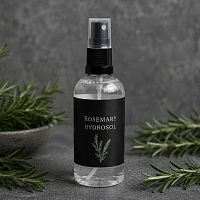
Rosemary hydrosol 75 g, jojoba oil 20 g, Rosemary CO2 Extract 1 g, tocopherol 0.8 g. Premix the extract with jojoba oil, combine with hydrosol and tocopherol, then homogenize. Package in amber glass for stability testing. Larger pack sizes for scaling are listed at Rosemary CO2 Extract 100 g.
Storage guidelines
Keep in a dry cool place inside hermetically sealed containers protected from light. Shelf life extends to December 2028.
Additional compatibility notes
The extract pairs well with green tea extracts for added free radical protection and with dill extracts known for soothing properties in oily skin formulas. Standard dosage in finished goods ranges from 0.5 to 2 percent of total recipe weight, with lower levels acceptable in food oil preservative mixes.
Frequently asked questions
How does the extract perform in oil-based food systems?
It acts as a stabilizer for vegetable and animal fats during blending and storage.
Is the 5 g pack suitable for scaling to production batches?
The size serves pilot testing; larger volumes are available through dedicated wholesale listings.
Can the material be combined with other CO2 extracts?
Compatibility has been confirmed with green tea and complex botanical extracts in oil phases.