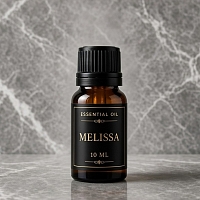
Why Melissa Essential Oil Remains a Prized Ingredient Across Cosmetic and Food Industries
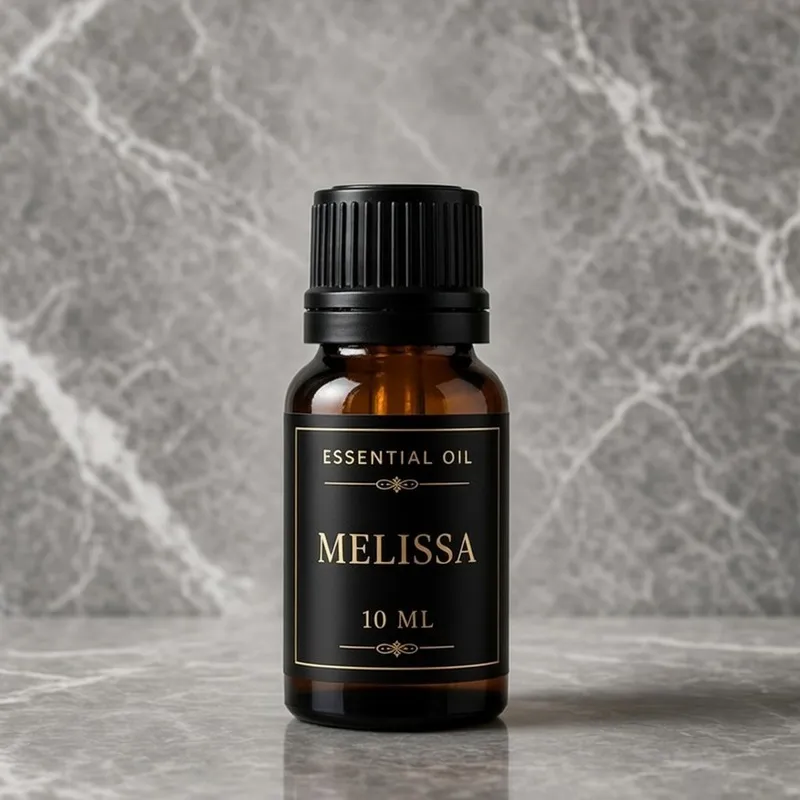
Melissa essential oil, extracted from lemon balm through steam distillation of the plant's aerial parts, is known for its exceptionally low extraction yield, which makes it one of the more valuable and highly concentrated oils on the market. Even a compact 10 ml bottle is designed to last through numerous small-batch applications thanks to its potency. This oil belongs to the broader collection found in the Essential Oils section, which brings together aromatic concentrates used across perfumery, skincare and food production.
Globally, the primary demand for melissa oil comes from aromatherapy and the cosmetic industry. Its soft, lemony-herbal aroma makes it a sought-after component in perfume blends, spa treatments and facial skincare formulations, where it is typically introduced at the final stage of production at temperatures not exceeding 40 degrees Celsius to preserve its volatile compounds. The oil is also widely used in formulations targeting oily and blemish-prone skin, in relaxation-focused products, and in home fragrance blends. Within the food industry, small quantities of melissa oil serve as a natural flavoring agent in confectionery, beverages and tea blends, contributing a subtle citrus-herbal note. As a third and less central example, melissa oil is occasionally incorporated into handmade soap fragrance blends, though this remains a minor application compared to its primary uses.
The recommended dosage of melissa oil in finished cosmetic formulations typically ranges from 0.1 to 0.5 percent of the total product weight, since the oil is highly bioactive and can cause skin irritation if used in excessive concentration. Before adding it to a base formula, it is advisable to pre-dilute the oil in a small amount of carrier oil or emulsifier to ensure even distribution throughout the mixture. Melissa oil blends particularly well with other herbal and citrus essential oils, including Sage Essential Oil, which reinforces the herbal character of a composition, and Lemon Essential Oil, which brightens the blend with a fresher citrus top note. Another interesting addition for custom aromatic compositions is Tarragon Essential Oil, which introduces a subtle spicy accent to the overall profile.
Melissa essential oil should be stored in a tightly sealed dark glass bottle, kept in a cool place away from direct sunlight and heat sources, since its volatile compounds are prone to oxidation over time. When stored properly, the oil retains its properties for an extended period. The compact 10 ml volume is particularly well suited for home-based cosmetic formulation, recipe testing and creating trial batches of aromatic blends before scaling up to larger production runs.
Calming Facial Mist with Melissa Oil
Chamomile hydrosol 90 ml
Glycerin 5 ml
Melissa essential oil 2 drops
Polysorbate 20 1 ml
Combine
the chamomile hydrosol with glycerin and polysorbate until fully blended, then
add the melissa essential oil and pour the finished mixture into a dark glass
spray bottle. Apply the mist to cleansed skin morning and evening, and store in
a cool place for no longer than two months.