Product Description
Sourcing and specification details
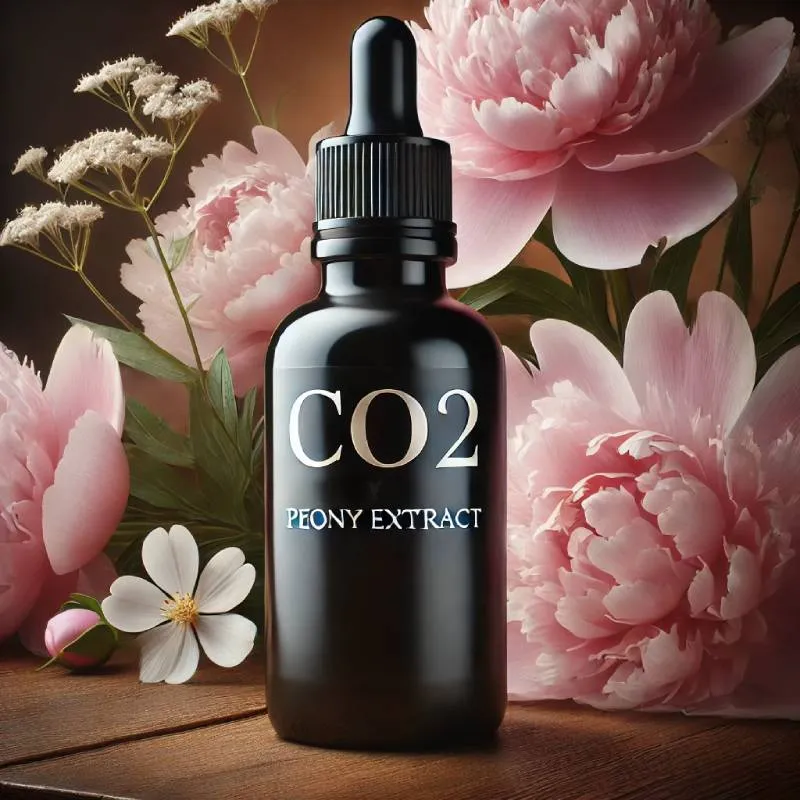
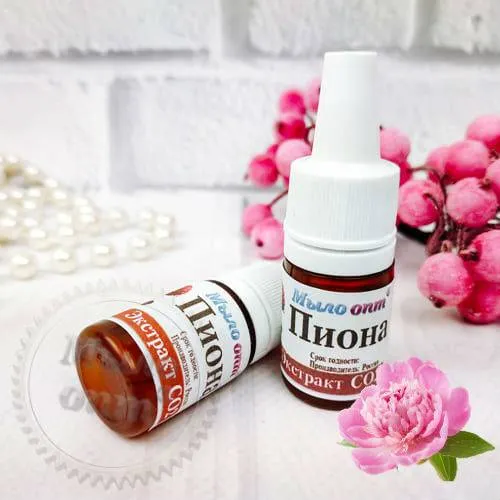
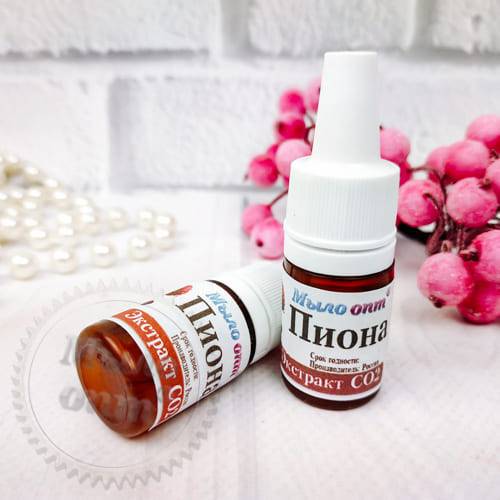
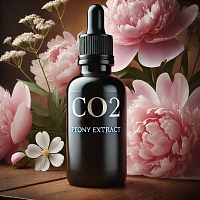
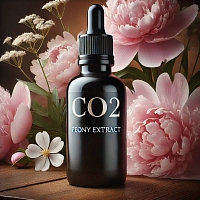
Peony CO2 Extract is produced from the roots of Paeonia officinalis L. in Ukraine. The resulting oily mass contains flavonoids, tannins and polyunsaturated fatty acids. Each 1 kg transport container meets consistent quality parameters for industrial use. B2B buyers source from CO2 Extracts Wholesale to secure repeatable batches for formulation work.
Technical parameters for manufacturers
The fat-soluble extract is introduced into the active phase of emulsions at 0.01-5 %. Recommended addition temperature stays below 40 °C. Storage in a closed container in a cool, light-protected place preserves properties for at least two years, with a best-before date of November 2028.
Applications in cosmetics and supplements
Cosmetic laboratories incorporate the extract into creams, serums and body balms for its moisturizing contribution. The same raw material serves supplement and food manufacturers as a botanical ingredient in dietary supplement formulations, beverages and confectionery. Private formulators and factories worldwide purchase both wholesale and retail quantities. Peony CO2 Extract 100 g is frequently ordered for pilot batches.
Example body balm formulation
Shea butter 50 %, jojoba oil 30 %, beeswax 12 %, Peony CO2 Extract 5 %, tocopherol 2 %, rose essential oil 1 %. Melt butters and wax, add extract after cooling below 40 °C, mix until uniform and package.
Integration in food-grade blends
Food industry producers use the extract as a botanical raw material in functional products and confectionery without claims of health effects. Solubility in lipid systems allows direct addition to oil-based recipes. Extracts Wholesale sections list options for scaling from small test lots to full production volumes.
Stability and handling
Keep containers sealed and protected from light. The material remains stable under specified conditions until the indicated best-before date.
Frequently asked questions
What is the recommended addition temperature?
Addition temperature must remain below 40 °C to maintain component integrity.
Is the extract suitable for oil-based food products?
Yes, it functions as a botanical raw material in lipid-containing food formulations.
Can it be used in anhydrous balms?
The fat-soluble form integrates well into anhydrous systems.