Sourcing and specification details
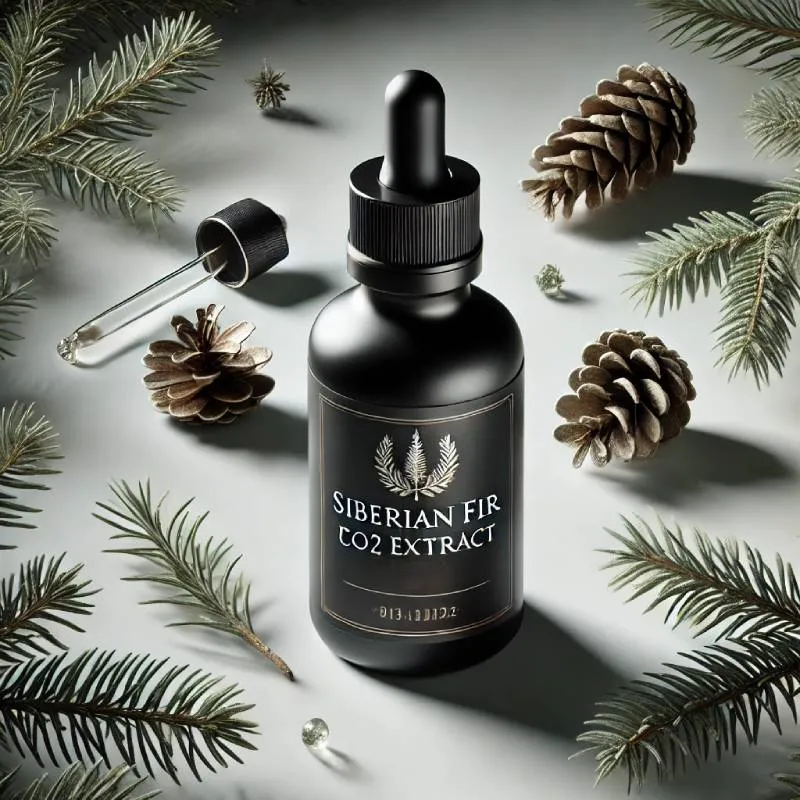
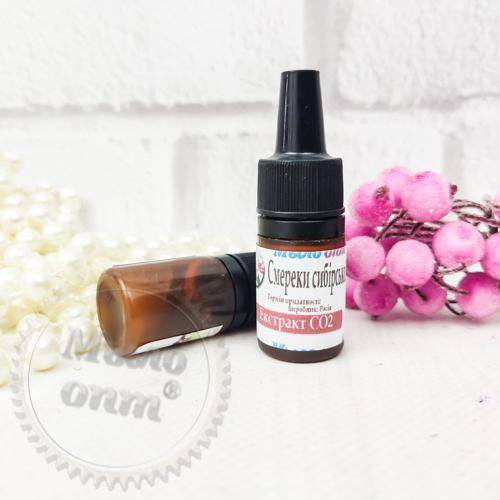
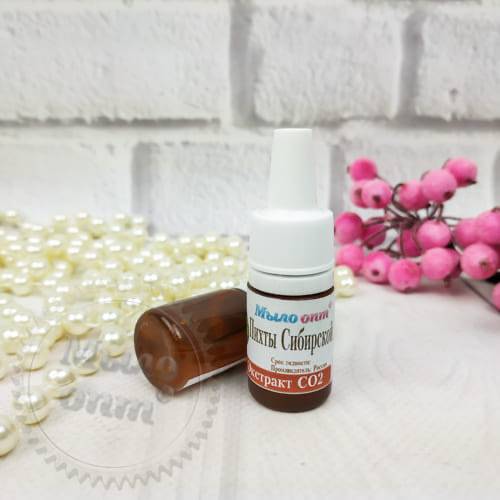
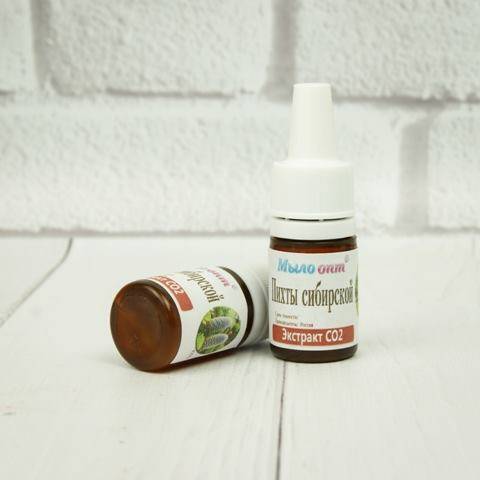
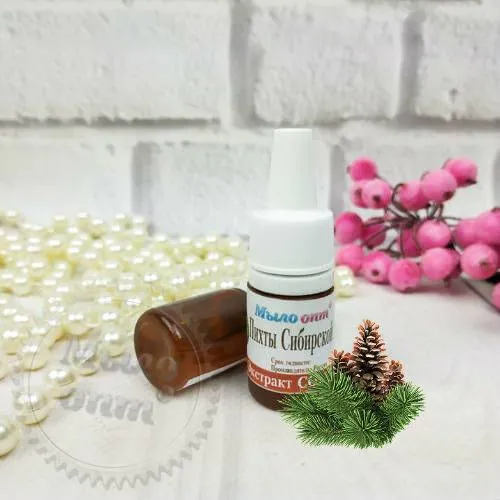
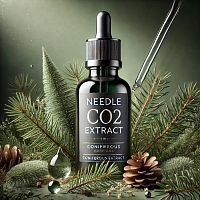
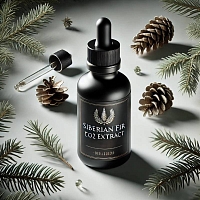
Siberian fir CO2 extract is produced from Abies sibirica L. needles in Ukraine using supercritical carbon dioxide. The resulting paste-like mass contains terpenoids, fatty acids, carotenoids and polyprenols. International buyers receive the material in 5 g packs for formulation trials. CO2 Extracts are selected by labs for consistent sensory and physicochemical parameters.
INCI, solubility and composition
INCI name: Abies sibirica. The extract is fat-soluble and integrates into the oil phase of emulsions. Key constituents include α-pinene, camphene, β-phellandrene, bornyl acetate, borneol, phytol, α- and β-carotene, chlorophyll, lycopene and polyprenols. Country of origin Ukraine, shelf life until 12.2028 when stored in a cool dark place in tightly closed containers.
Formulation guidelines for cosmetic labs
Recommended usage levels range from 0,5 % in micellar waters and lotions to 1-2 % in body creams and cleansing products. The extract is added below 40 °C after the emulsion has formed. Manufacturers verify compatibility with other oil-soluble ingredients during stability testing.
Raw material for dietary supplements and food production
Supplement and food manufacturers source the extract as a botanical ingredient for functional blends, beverages and confectionery. It is incorporated at permitted levels to deliver specific sensory notes. Siberian Fir CO2 Extract 1 kg supports scale-up from pilot batches to full production runs.
Example formulation: scalp serum
Jojoba oil - 89,25 %, Siberian fir CO2 extract - 0,75 %, tocopherol - 0,5 %, rosemary essential oil - 0,5 %, solubilizer - 9 %. The extract is premixed with the solubilizer and added to the oil base at room temperature. The finished serum is applied to the scalp in small amounts.
Storage recommendations
Keep the material below 25 °C away from light to maintain compositional integrity. Botanical Extracts should undergo organoleptic checks prior to each production campaign.
Frequently asked questions
What packaging options exist beyond 5 g?
Larger containers from 100 g up to 1 kg are available for industrial and contract manufacturing requirements.
Is the extract suitable for anhydrous balms?
Yes, the paste-like consistency disperses readily in oils and waxes without additional processing.
Can the extract be combined with other CO2 materials?
Compatibility testing shows good miscibility with other fat-soluble botanical extracts in the same phase.