Product Description
Sourcing and specifications
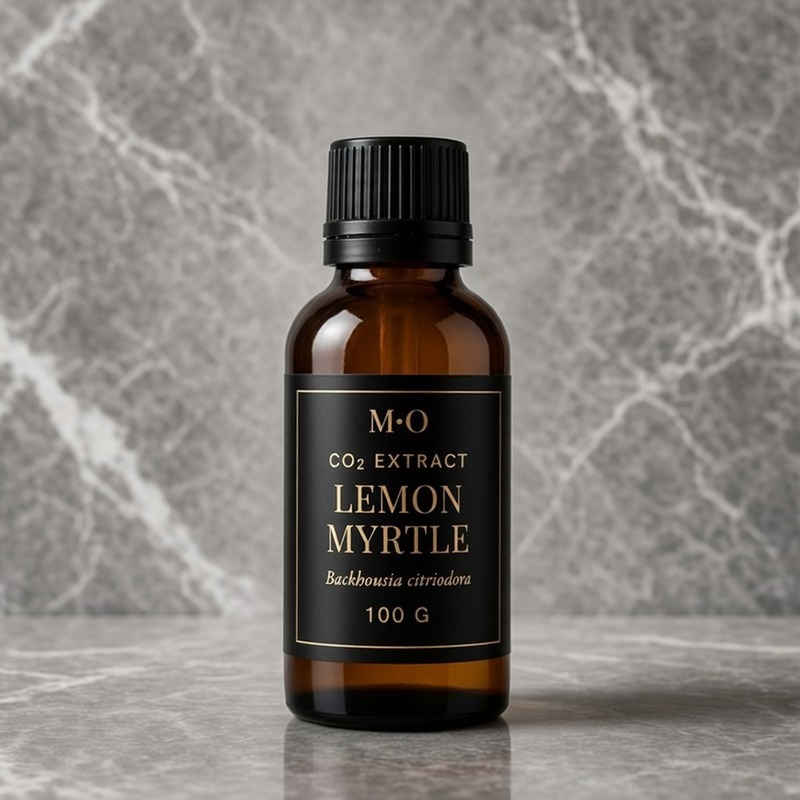
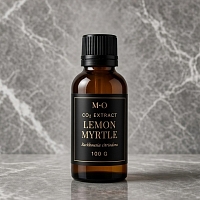
Lemon Myrtle CO2 Extract originates from Czechia and arrives as a viscous liquid in 100 g containers. The supercritical extraction method retains the plant’s native profile in a concentrated form suitable for consistent batch production. CO2 Extracts Wholesale gives cosmetic labs and supplement manufacturers access to bulk volumes with documented traceability.
Integration parameters for manufacturers
The extract dissolves readily in polysorbate-80, carrier oils and triglycerides. Recommended input levels range from 0.05 % in micellar waters and sprays to 0.5-1 % in balms. Temperature during incorporation should stay below 40 °C to preserve volatile fractions.
Formulation examples for cosmetic labs
In serums and day creams the material contributes a fresh sensory note and helps maintain skin comfort. Contract manufacturers include it in toners and body milks intended for oily or combination skin types. Lemon Myrtle CO2 Extract 1 kg supports scale-up when pilot batches move to commercial runs.
Role in dietary supplements and food production
Supplement and functional-food producers source this CO2 extract as a botanical raw material for capsules, drink powders and confectionery fillings. Extracts Wholesale ensures steady supply for contract manufacturers operating across multiple regions.
Sample supplement blend
Capsule premix: 0.4 % Lemon Myrtle CO2 Extract, 30 % acerola powder, 69.6 % rice flour. Dry blend the components and encapsulate. The resulting product delivers a standardized botanical fraction suitable for daily use formulations.
Storage guidelines
Keep containers in a cool, light-protected area with lids tightly closed. Shelf life extends to December 2028. Once opened, minimize air exposure to maintain quality.
Frequently asked questions
Is the extract compatible with heat-sensitive actives?
Yes, addition at the cooling phase below 40 °C preserves its volatile components.
Which solvent systems work best?
Polysorbate-80 for aqueous phases and triglycerides for oil-based systems provide uniform dispersion.
Can it be used in food-grade applications?
The material serves as a botanical raw ingredient in dietary supplements and functional foods.
Does the viscous liquid require pre-filtration?
Standard dissolution procedures usually eliminate the need for additional filtration steps.