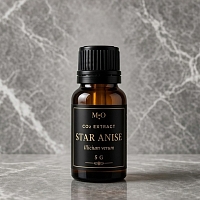
Star anise as raw material for CO2 extraction
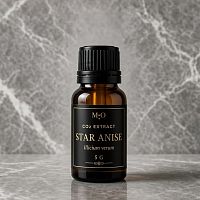
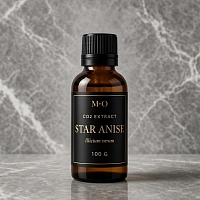
Star anise from Czech Republic undergoes supercritical CO2 extraction to yield a viscous liquid that retains the plant’s natural constituents. The 5 g pack supports laboratory testing and pilot batches. In CO2 Extracts the material carries INCI CO2 extracts Illicium Verum Fruit.
Technical parameters and incorporation guidelines
The extract dissolves in polysorbate-80, carrier oils and triglycerides. Recommended input ranges from 0.05 to 1 percent. Sprays and micellar waters require 0.05-0.09 percent, lifting creams and mature-skin formulas use 0.1-0.3 percent, while balms and protective ointments accept 0.5-1 percent. Addition occurs in the cool-down phase or below 40 °C.
Applications in cosmetic labs and supplement manufacturing
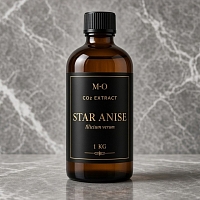
Cosmetic laboratories incorporate the extract into creams, serums, toners and hair-care products. As botanical raw material it supports dietary supplement formulations, functional beverages and confectionery items. Factories and formulators worldwide purchase it in wholesale and retail quantities, for example Star Anise CO2 Extract 1 kg. Additional volumes are listed in Botanical Extracts.
Sample formulation for a scalp care blend
Lavender hydrosol makes up 85 percent, jojoba oil 13 percent, Star Anise CO2 Extract 0.7 percent and polysorbate-80 1.3 percent. Blend the oil phase with the extract and emulsifier first, then add the hydrosol. Apply the finished blend to the scalp after cleansing.
Storage conditions and shelf life
Store in a cool dry place protected from light and moisture in a tightly closed container. Shelf life extends to December 2028. Minor clumping does not impair performance.
Compatibility with different bases
Oil-based systems accept direct addition. Water-containing emulsions require polysorbate-80 to ensure even dispersion. Supplement and food producers value the material’s stability during long-term storage of finished goods.
Frequently asked questions
What dosage suits toners and mists?
Toners and micellar waters typically use 0.05-0.09 percent to achieve the desired effect without overloading the formula.
Is the extract used in dietary supplements?
Yes, it functions as botanical raw material in dietary supplement production and the food industry for drinks and confectionery.
Does heat affect the material during processing?
Temperatures above 40 °C during incorporation may alter the aromatic profile, so cool-down addition is preferred.
How to ensure formula stability?
Follow the recommended percentages for each product type and introduce the extract at the appropriate temperature stage.