Sourcing and specification details
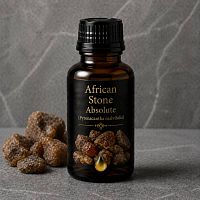
African Copal CO2 Extract is produced in Czech Republic via supercritical carbon dioxide extraction from Daniellia oliveri resin. The resulting viscous liquid retains the resinous fractions of the source material. CO2 Extracts of this grade are selected by manufacturers seeking consistent botanical inputs for both cosmetic and food-grade formulations. The material arrives in transport containers sized at 2 grams.
Technical parameters for B2B buyers
The 2-gram pack is supplied in transport-grade containers. Solubility is achieved in polysorbate-80, vegetable oils and triglycerides. The extract is introduced at temperatures below 40 degrees Celsius to preserve volatile components. This specification supports reproducible results across pilot and production batches in multiple industries.
Integration into cosmetic laboratory workflows
Formulators incorporate the material into serums, creams and body balms at 0,05-1 percent. Lower percentages suit facial mists while higher levels fit richer textures. African Copal CO2 Extract 1 kg allows cosmetic labs to scale test recipes without repeated small-order logistics and supports extended production planning.
Role as botanical raw material for supplements and food
Supplement and functional food producers worldwide source this extract for inclusion in drink blends, confectionery fillings and dietary supplement premixes. Both private developers and industrial facilities purchase the ingredient in retail and wholesale quantities to develop new product lines while maintaining existing base formulas. Botanical Extracts in this category provide reliable performance across diverse applications.
Dosage guidelines and phase compatibility
Recommended input ranges from 0,05-0,09 percent in sprays and micellar waters to 0,1-0,3 percent in lifting creams. Balms may contain up to 1 percent. The extract is added during the final cooling stage after the main emulsion has reached the required temperature.
Example formulation for a hair and scalp tonic
A 100-gram batch contains 0,15 gram of the extract, 4 gram of polysorbate-80, 15 gram of ethanol and 80,85 gram of rosemary hydrosol. The extract is first dispersed in polysorbate-80, ethanol is added, then the hydrosol. The finished tonic is applied to the scalp after shampooing and left to absorb.
Storage recommendations
Keep the product in a dry, cool location away from light and moisture in the original closed container. Minor caking does not affect performance. Shelf life extends until December 2028.
Frequently asked questions
Is the extract suitable for clear beverage bases?
Yes, after pre-dispersion in polysorbate-80 the material integrates into water-based functional drink premixes.
What is the maximum recommended temperature during processing?
Processing temperature should remain below 40 degrees Celsius to retain the resin profile.
Can cosmetic contract manufacturers use this grade?
The specification meets requirements for both pilot-scale and commercial cosmetic production.
Does the product require additional filtration before use?
No additional filtration is necessary; the extract is supplied ready for direct incorporation.