Dihydroquercetin industrial value and applications in international product manufacturing
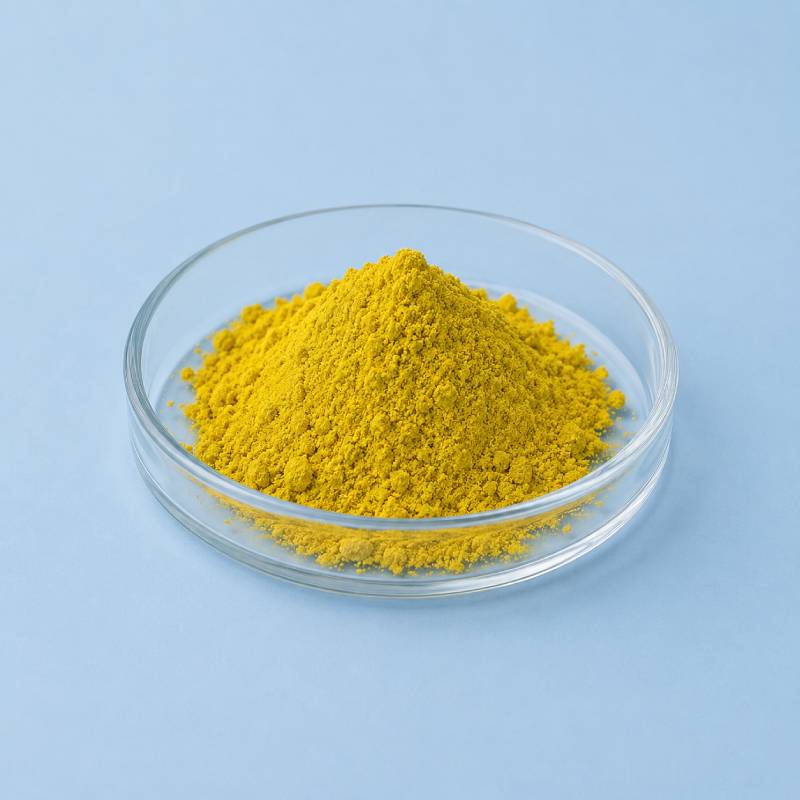
Dihydroquercetin, internationally recognized as Taxifolin, is a premium bioflavonoid primarily derived from the wood of larch trees, specifically Larix sibirica and Larix gmelinii. As a highly purified plant-derived cosmetic active and food-grade ingredient, this compound represents a pinnacle of clean beauty, wellness, and functional nutrition raw materials. B2B clients, formulators, and contract manufacturing facilities choose this substance due to its remarkable molecular stability and phenomenal antioxidant capacity, which significantly surpasses that of standard alpha-tocopherol or ascorbic acid. Incorporating this ingredient into industrial pipelines allows developers to naturally shield complex formulations from oxidative stress, maintain structural color stability, and offer consumers clean-label products that align with the rigorous standards of modern global markets.
Technological profile and chemical characteristics of Taxifolin
The primary active compound in this raw material is a pentahydroxyflavanone, a powerful polyphenolic molecule capable of neutralizing free radicals and chelating transition metal ions. Unlike synthetic stabilizing agents, Dihydroquercetin functions as a multi-tiered bio-active network within an emulsion or fluid base. It contains highly active hydroxyl groups that intercept lipid peroxyl radicals, terminating chain reactions of oxidation that break down fragile botanical ingredients, oils, and delicate peptide molecules. For product developers, this active substance acts as a dual-purpose component, serving simultaneously as a biological enhancer for the skin barrier and a supportive safeguard for the shelf life of the final consumer product, which is exceptionally valuable for mass production and private label strategies.
Global market demand and industrial versatility
The requirement for high-purity Taxifolin on the world market has grown exponentially due to the rise of clean beauty, nutricosmetics, and functional food production. Large-scale manufacturers and craft laboratories alike utilize this ingredient to substitute for chemical BHT or BHA stabilizers. Because the modern consumer prioritizes safe, plant-based alternatives, this extract has become a staple for premium brands globally. Its versatility extends across diverse continents and legal jurisdictions, meeting the compliance demands of advanced search indexing and merchant verification frameworks, making it a highly reliable and liquid commodity for B2B procurement.
Applications in professional skincare and cosmetics
In the cosmetic sector, Dihydroquercetin is incorporated into advanced protective creams, urban shields, and intensive formulations for sensitive or reactive skin types. The active agent supports capillary resilience and aids in microcirculation optimization, which makes it popular in formulations designed to alleviate redness and address signs of stress on the face. It blends seamlessly with complex lipid phases, hyaluronic acid hydrogels, and traditional emulsification systems. Formulators find it highly useful for creating light lotions, non-greasy fluids, and concentrated serums where sensory refinement and immediate soothing properties are desired.
Integration into hair care and scalp formulations
Hair product manufacturers integrate this polyphenolic active into scalp tonics, anti-pollution shampoos, and hair follicle balancing lotions. By safeguarding the delicate lipids of the scalp from ultraviolet degradation and environmental pollutants, Dihydroquercetin helps maintain root vitality and prevents premature hair breakage. It works well within water-soluble matrices and surfactant-based systems without causing destabilization, haze, or unintended separation of the product batch.
Utilization in advanced soap making and professional soap lines
For cold-process and hot-process soap manufacturers, this bioflavonoid offers exceptional benefits. High-end soap making frequently deals with premium unrefined oils that are prone to rancidity, commonly known as dread-orange-spots. Introducing Dihydroquercetin into the oil blend before lye integration successfully retards this destructive oxidation process. The resulting soap bars retain their natural botanical color, fresh aromatic profiles, and high skin compatibility over prolonged storage periods, which increases the commercial shelf life of commercial batches.
Applications in household products and eco-detergents
The green cleaning industry utilizes this plant extract to enhance the stability of eco-friendly dish soaps, bio-detergents, and delicate fabric washes. As a natural stabilizer, it replaces aggressive synthetic preservatives while providing a soothing profile for products designed for manual use. Its addition ensures that plant-derived surfactants do not lose their washing capacity or undergo sensory alterations when stored in transparent commercial packaging exposed to direct sunlight.
Pharmaceutical and nutraceutical industry implementation
In professional pharmaceutical and nutraceutical manufacturing, Dihydroquercetin serves as a core active ingredient in dietary supplements, capillary-strengthening tablets, and functional tonics. As a raw material, it undergoes strict analytical validation to ensure maximum biological activity and lack of heavy metal contamination. Its well-documented support for cardiovascular health and cellular longevity makes it a sought-after compound for formulating health-optimization products, vitamin complexes, and specialized wellness capsules.
Food industry and functional nutrition applications
Within the food sector, this compound is classified as a highly effective natural antioxidant used to prolong the freshness of cooking oils, dairy products, and functional confectionery. It prevents the hydrolytic and oxidative spoilage of milk fats and vegetable lipids, maintaining the nutritional value of processed foods. Furthermore, the wellness beverage sector adds this soluble bioflavonoid to health drinks and sports nutrition juices to enhance the overall antioxidant score of the product without altering the flavor profile.
Production adaptability for domestic and contract manufacturing
Whether implemented in domestic craft production or scaled up in massive industrial contract manufacturing lines, the compound remains incredibly user-friendly. It withstands moderate thermal processing up to seventy degrees Celsius when dissolved correctly in suitable polyols or water phases. Its predictable behavioral pattern in batch processing allows engineers to scale formulations with confidence, guaranteeing that the end-consumer receives a potent, highly stable product.
Formulating a protective capillary-support facial gel
First phase involves preparing the hydration matrix. Measure seventy-five ml of purified demineralized water into a clean container and slowly disperse one gram of xanthan gum under high-speed agitation until a clear, uniform gel texture forms.
Second phase focuses on the active complex. In a separate beaker, take ten ml of vegetable propylene glycol and thoroughly dissolve two grams of Dihydroquercetin powder until the liquid becomes completely transparent and free of sediment. Add five ml of low molecular weight hyaluronic acid solution to this mixture.
Third phase is the final compounding. Pour the active complex into the hydration matrix slowly, maintaining steady, low-speed mixing to prevent air entrapment. Complete the formulation by adding seven ml of cold-pressed avocado oil and one ml of a broad-spectrum cosmetic preservative such as benzyl alcohol.
The resulting gel exhibits a luxurious, smooth texture that glides effortlessly across the skin. It absorbs rapidly without leaving a sticky residue, imparting an immediate sensation of deep hydration and barrier comfort. The finished product displays a subtle amber translucent hue indicative of the rich bioflavonoid presence, providing a visible sign of premium natural quality.
B2B procurement and commercial advantages for manufacturers
Choosing to include this premium Taxifolin extract in your production workflow elevates the market value of your entire product line. It serves as a strong foundation for claiming clean-label attributes, botanical authenticity, and high scientific efficacy. The reliable structural performance of the compound under various environmental conditions minimizes product returns, enhances distributor confidence, and secures long-term brand loyalty in highly competitive cosmetic, wellness, and industrial retail environments.