Getting the Most Out of Jojoba Butter in Balms and Solid Formulations
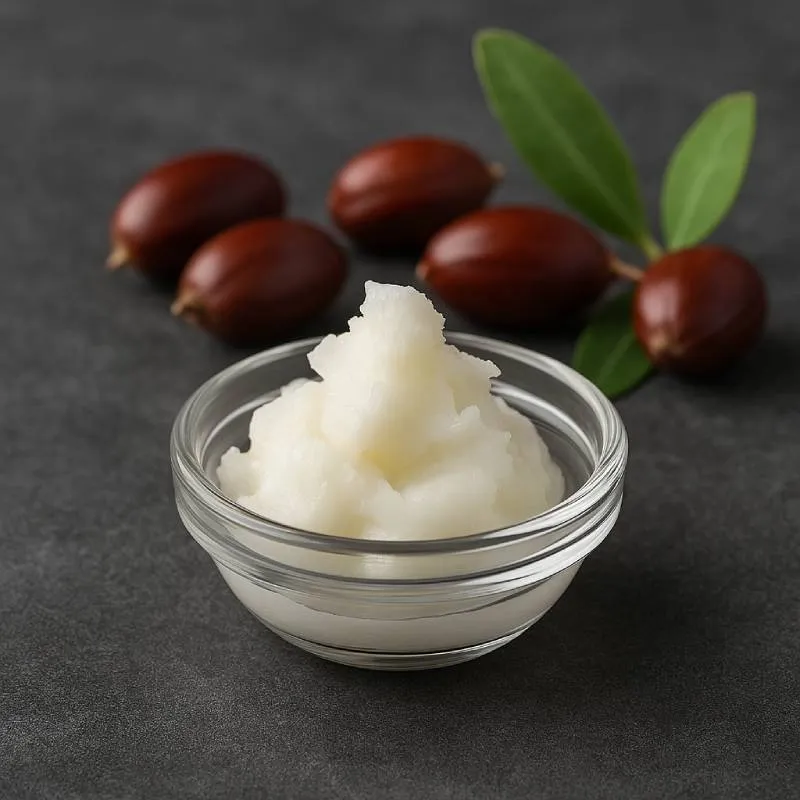
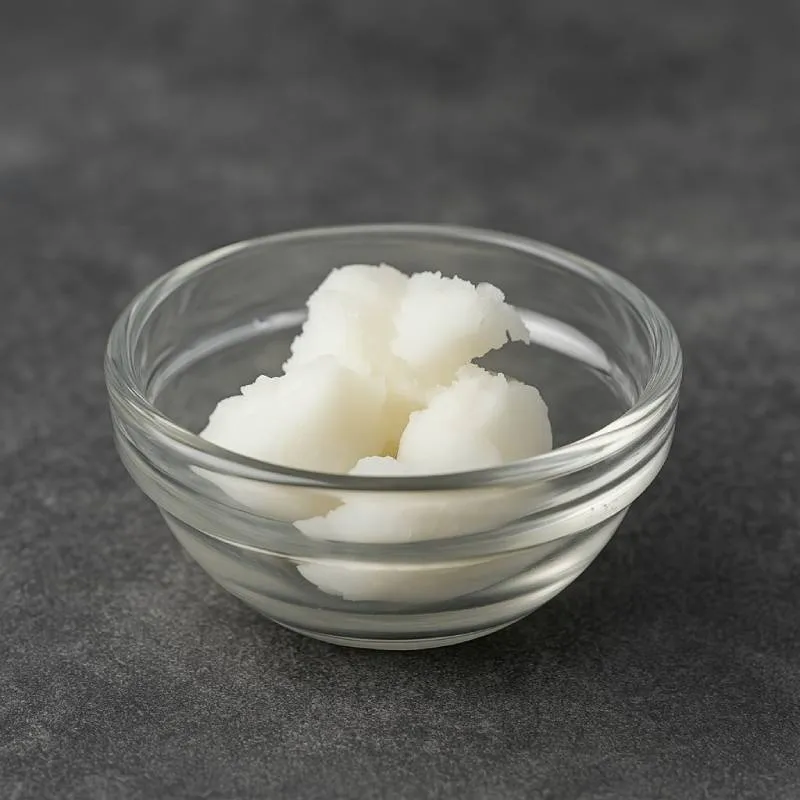
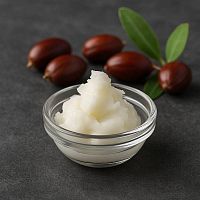
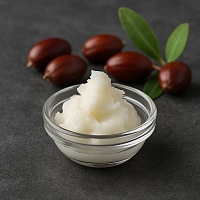
Jojoba butter is a hydrogenated version of liquid jojoba oil, which gives it a firm, solid texture at room temperature while still melting smoothly on contact with skin. It belongs to the Butters category, which brings together dense plant-based fats used across cosmetic and related manufacturing lines. The 20 gram size is well suited for home formulators and small test batches, allowing a formula to be trialed before scaling up production.
The most common use for jojoba butter is in skin and hair care: lip balms, anti-crack sticks for heels and elbows, hand creams, beard conditioning bars, and solid hair conditioners. Its dense structure makes it a reliable structuring agent in sticks and lipsticks, while its relatively high melting point, typically around 60 to 65 degrees Celsius, keeps finished products stable even in warm climates. In color cosmetics, it shows up in pencil bases and cream blush formulas where texture stability matters. It appears less often in candle making or household chemical products, though small amounts are sometimes added to massage candles for a softer skin feel.
Jojoba butter should be added during the oil phase melting stage, at around 65 to 70 degrees Celsius, alongside other hard oils and waxes. Typical usage rates range from 10 to 30 percent depending on how firm the final product needs to be. It pairs well with Murumuru Butter, which adds a silky slip to the texture, and with Sal tree butter, which increases firmness and structural stability in the blend. For lighter, more fluid formulations, it can be combined with Lime Butter, which softens the final consistency and gives the product a smoother glide on application.
Because of its stable molecular structure, jojoba butter resists oxidation better than many volatile oils, giving finished products a longer usable shelf life. It should be stored in a sealed container, in a cool, dry place away from direct sunlight, to prevent premature texture changes. Small quantities are occasionally added to cleansers as well, where it helps leave skin feeling softer after washing, though this remains a secondary rather than primary application.
When working with a small package size, using a jeweler's scale for precise measurements is recommended, especially for test batches where consistent results matter for later scale up.
Solid Beard Conditioning Balm
Jojoba butter 14 g
Shea butter 8 g
Beeswax 6 g
Argan oil 10 g
Vitamin E oil 2 g
Melt
the solid ingredients together in a double boiler at around 70 degrees Celsius
until fully liquid. Remove from heat, stir in the argan oil and vitamin E, then
pour the mixture into small tins or beard balm containers. Let it cool
undisturbed at room temperature until fully set before capping.
FAQ
What melting point should be expected for jojoba butter in balms?
The melting temperature is 35-45°C. This value is confirmed in the product specification available on request.
How should jojoba butter be stored after opening?
Store in a cool dry place protected from light. Exact conditions after opening are stated on the label.
What is the comedogenic rating of jojoba butter?
The rating is not listed in the provided data. Check the COA or specification on request for wholesale items after the order ships.
What is the fatty acid profile and oxidative stability of this butter?
The profile and stability data appear in the COA or specification available on request for wholesale items after the order ships.