-
 Absolutes
-
 Active Complexes
-
 Actives & Peptides
-
 Amino Acids & Proteins
-
 Food Flavors
-
 Ayurvedic Ingredients & Herbs
-
 Vitamins & Coenzymes
-
 Chocolate Making Supplies
-
 Thickeners & Gelling Agents
-
 Hydrosols & Floral Waters
-
 Hydrolyzed Proteins
-
 Fragrance Ingredients
-
 Nutraceutical Ingredients
-
 Acids, Salts, Alcohols & Alkalis
-
 Preservatives & Antioxidants
-
 Cosmetic Ingredients
-
 Colorants, Micas & Glitters
-
 Masks, Scrubs & Botanicals
-
 Oils & Butters
-
 Candle Making Supplies
-
 Melt and Pour Soap Bases
-
 Cream, Lotion & Hair Care Bases
-
 Fragrance Oils & Industrial Aromatics
-
 Cleansing Agents & Surfactants
-
 Peeling Actives & Acids
-
 Cosmetic Powders
-
 Solvents & Humectants
-
 Silicones & Conditioning Agents
-
 Bottles, Jars & Vials
-
 Silicone & Plastic Molds, Tools
-
 Botanical Extracts
-
 Cosmetic Emollients
-
 Emulsifiers
-
 Essential Oils
- Gastronomy flavorings 46
- Flavorings for butter and margarine 7
- Fishing bait flavorings 10
- Flavorings for spices 29
- Food flavorings for alcoholic beverages 169
- Beverage flavorings 238
- Confectionery flavorings 205
- Dairy flavorings 114
- Ice cream flavorings 115
- Food flavorings for juices 62
- Flavors for e-cigarettes 323
- Liquid Snack Flavors 32


Food flavorings for juices

 Add to cart

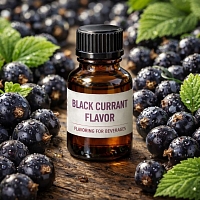


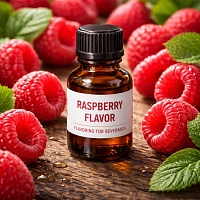


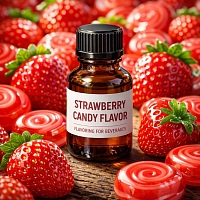
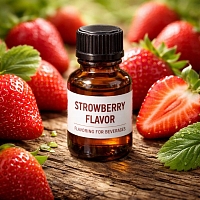


Liquid flavor concentrates for fruit and vegetable drink bases
This section gathers liquid food flavorings formulated to reproduce fruit, berry and vegetable notes in drink bases, syrups and concentrates. The range covers classic citrus, tropical, stone fruit and mixed fruit profiles, along with less common blends for developers who want a distinctive taste on the shelf.
These concentrates are dosed directly into syrup bases, fruit purees, powdered drink mixes and carbonated formulas, where a small percentage of flavoring shapes the entire taste profile of the finished product. The same liquid bases are frequently reused across adjacent categories, so a producer testing a new citrus blend here might also look at beverage flavorings for carbonated formats or ice cream flavorings when a fruit note needs to survive freezing and churning instead of bottling.
Fruit profiles and how they differ
Within this range, single-note concentrates such as banana juice flavor or orange juice flavoring reproduce one dominant fruit character, while blends layer several notes to hide processing off-tastes or to build a house-specific profile. Citrus options tend to carry sharper top notes and need less masking, whereas a watermelon juice flavoring or a pineapple juice flavoring agent relies on a rounder, sweeter base note that reads well even at low dosage.
Stone fruit and berry concentrates behave differently under heat and acidity. A juice flavor apricot holds its character through pasteurization better than more delicate berry notes, which is why formulators often pair it with a small percentage of a sharper concentrate such as blackberry juice flavor to keep the top note visible after processing. Grape-based concentrates, including a juice flavor grape, sit somewhere between these two groups, with a tannic edge that reads as more natural in still drink bases than in carbonated ones.
Choosing a flavor and building a recipe around it
The starting point is always the base itself: a still fruit drink, a syrup concentrate and a powdered mix each carry the aromatic compounds differently, so the same declared strength can taste noticeably different once diluted. Producers usually run a small trial batch first, checking how the flavor holds after storage and after any heat step, before committing to a full production run.
Sweeteners, acids and stabilizers in the base all interact with the flavor profile, so the choice rarely happens in isolation. A sharper acid load tends to push citrus and tropical notes forward, while a softer, rounder base suits stone fruit and grape profiles better. Because these are liquid concentrates rather than finished drinks, the same bottle can move between a still juice base, a carbonated formula and a frozen dessert base, which is why many producers exploring this range also check confectionery flavorings when a fruit note needs to carry through baking or fillings instead of bottling.
Origin and storage
Concentrates in this range are sourced from Ukraine and Turkey. As with other liquid flavorings, they should be kept in tightly closed containers, away from direct light and heat, since prolonged exposure to warm storage conditions gradually weakens the top notes in citrus and tropical profiles faster than in heavier stone fruit bases.
FAQ
What is the difference between a single fruit flavor and a blended fruit concentrate
A single fruit flavor reproduces one dominant note, such as banana or orange, giving a clean and recognizable taste. A blended concentrate layers several fruit or vegetable notes together, which helps mask off-tastes from processing and lets a producer build a distinctive house profile instead of a generic one.
How much liquid flavor concentrate should be added to a drink base
Dosage depends on the concentrate strength and the base itself, ranging from a very small fraction of a percent up to a few percent of the total formula. It is best to start with a low dose in a small test batch, taste after full dilution, and adjust gradually rather than dosing by eye.
Can these concentrates be used in both syrups and powdered drink mixes
Yes, the same liquid fruit and vegetable concentrates are commonly used across syrup bases, purees and powdered mixes, since the flavoring is added at a small percentage and carries the taste regardless of the carrier. Compatibility still depends on the final formula, so a small trial batch is recommended.
How should liquid fruit flavor concentrates be stored
Keep concentrates tightly sealed, away from direct light and heat, in a cool dry place to preserve the aroma profile over time. Once opened, using the bottle within a reasonable period and avoiding contamination with water or other liquids helps the flavor stay stable for longer.
Recommendations
When choosing a concentrate for a new drink base, start from the fruit character you need rather than the label alone, since blended profiles can carry secondary notes that single-fruit options do not. Run a small test batch first to confirm dosage and stability in your specific base before committing to a larger order. For questions about a particular batch or profile, our team is reachable by email and ready to help match a concentrate to your formula.



