Bringing Tropical Coconut Notes to Small-Batch Baking and Beverage Recipes
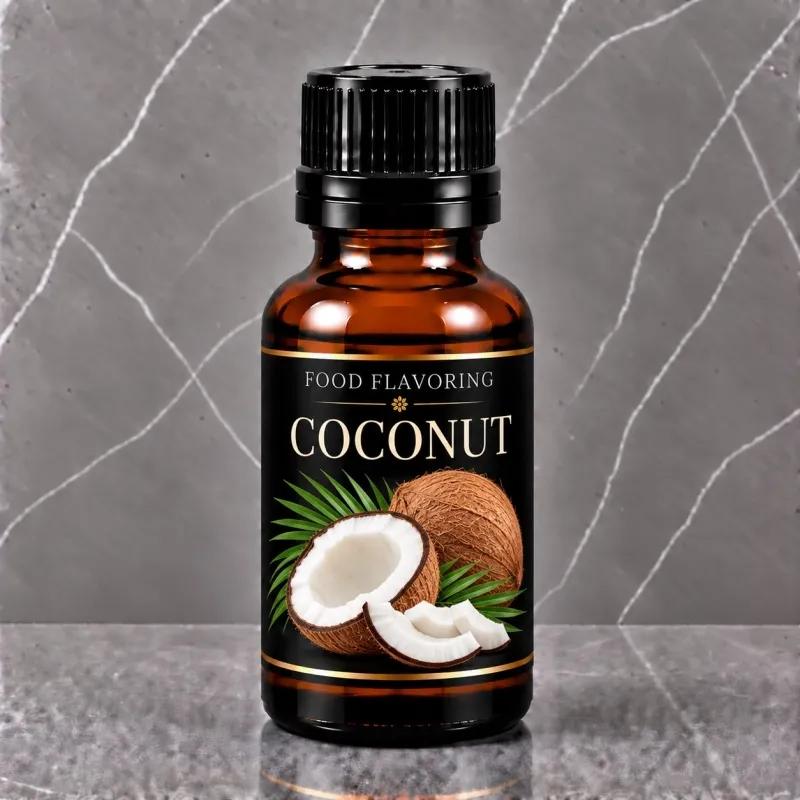
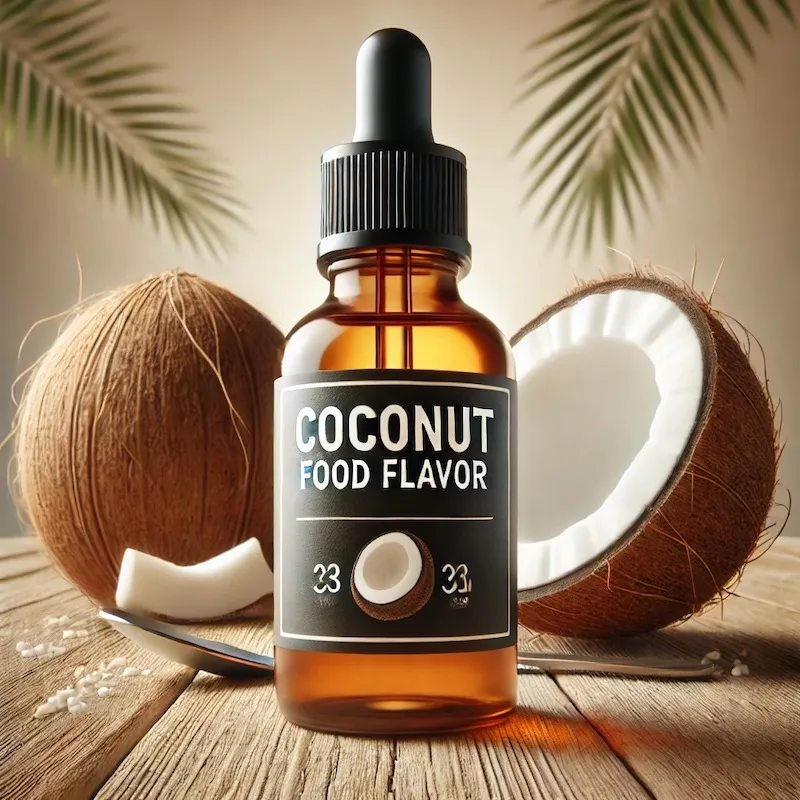
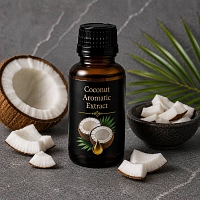
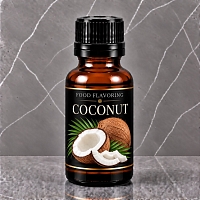
A compact 5 ml bottle is a practical choice for home bakers, small beverage makers, and anyone testing a new recipe before scaling up production. This product belongs to the Flavorings and flavor additives category, which brings together compounds used across the food and beverage industry, confectionery, dairy production, and baking. Coconut flavor is strongly linked worldwide to tropical desserts, ice cream, smoothies, and cocktails, which makes food manufacturing and home cooking the primary market for this kind of aroma.
In confectionery work, coconut flavoring is added to creams, fillings, glazes, cookies, granola bars, and dairy-based desserts. It blends well with whipped cream, condensed milk, and caramel bases, and performs nicely in beverages such as lemonades, smoothies, non-alcoholic mocktails, and infused spirits. Many recipe developers pair coconut with other flavors to build layered profiles: it works especially well with Food Flavoring Chocolate for tropical-style pralines, and combines naturally with Food Flavor Pineapple for a classic pina colada style drink. A drop of Duchess Food Flavor rounds out the profile with a soft fruity sweetness.
Beyond food production, coconut flavoring is also used in cosmetic and household goods - body scrubs, lip balms, tanning oils, scented candles evoking a vacation mood, and liquid soap can all pick up this recognizable summer note. In these formulations the flavoring is typically introduced during the cooling stage, once the base has dropped to around 35-45 degrees Celsius, since higher heat can drive off the volatile aromatic compounds.
For food applications, a common dosage range is 1 to 3 grams per kilogram of finished product, and it is best to start at the lower end and adjust to taste. In cosmetic and household bases, 0.5 to 2 percent of total formula weight usually gives a well-balanced result. The flavoring should be added to a cooled or lukewarm base, staying under 50 degrees Celsius, otherwise the aroma flattens out and loses its characteristic depth.
Store the bottle tightly sealed, away from direct sunlight and heat sources, ideally in a cool dark cupboard. Under these conditions the flavor stays stable throughout its stated shelf life. The small 5 ml volume makes it easy to test compatibility with other ingredients in a formula without risking a large batch of raw material, which is particularly valuable when developing new flavor profiles for a home bakery or a small beverage workshop.
Coconut Cream Bars with a Pineapple Twist
Coconut milk - 200 ml
Condensed milk - 80 g
Butter - 30 g
Desiccated coconut - 50 g
Coconut Food Flavor - 3 drops
Food Flavor Pineapple - 1 drop
Warm the coconut milk gently in a saucepan, then stir in the condensed milk and butter until fully melted and combined. Remove from heat, let the mixture cool slightly, then mix in the desiccated coconut along with both flavorings. Pour the mixture into a lined baking dish, press it evenly, and chill in the refrigerator for at least three hours before cutting into bars and serving.