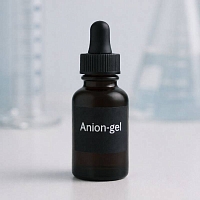
Anion-Gel: High-Performance Anionic Thickener and Stabilizer for Advanced Cosmetics
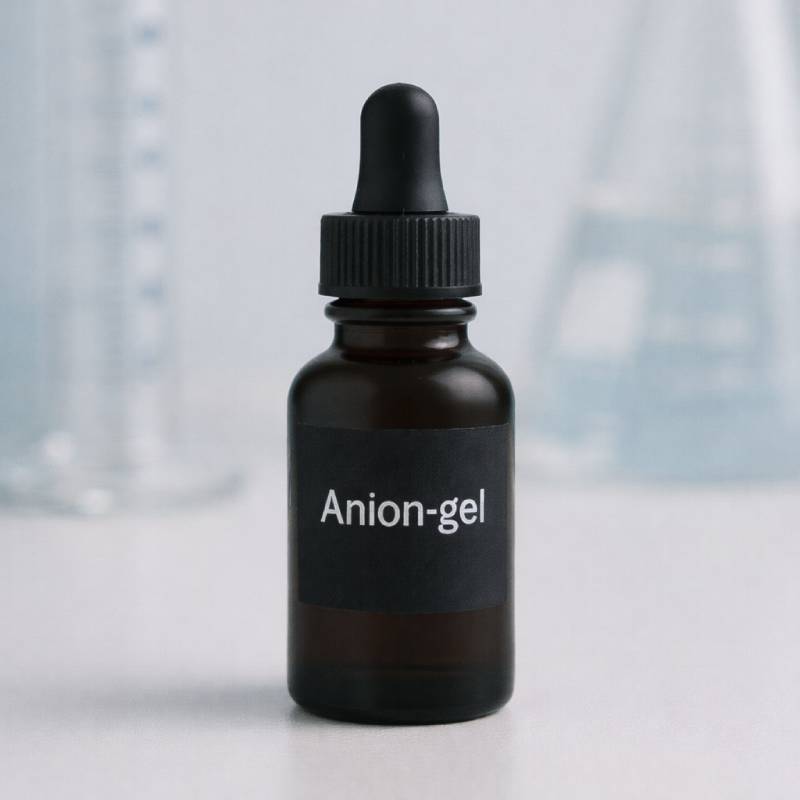
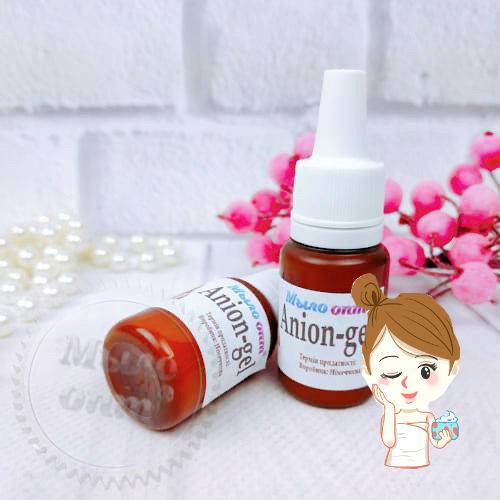
Anion-gel is a sophisticated, pre-neutralized synthetic polymer designed to simplify the formulation of stable and elegant cosmetic products. Functioning primarily as a rheology modifier, thickener, and emulsion stabilizer, this component allows for the creation of crystal-clear aqueous gels and luxurious cream-gels without the need for complex neutralization steps. Anion-gel is highly prized in the cosmetic industry for its ability to produce textures that are non-sticky, provide a "quick-break" effect upon skin contact, and enhance the overall sensory profile of the finished product. Its anionic nature ensures excellent compatibility with a wide range of active ingredients, making it an indispensable tool for modern formulators seeking efficiency and high-quality results. Whether you are developing lightweight facial serums or rich body lotions, this versatile gel-forming agent provides consistent viscosity and a professional finish that appeals to global consumers.
Technical Properties and Functional Benefits
The chemical structure of Anion-gel allows it to swell instantly in water, creating a three-dimensional network that traps water molecules and stabilizes oil droplets. Unlike traditional carbomers, it does not require a pH adjustment with alkalis to activate its thickening power, which significantly reduces production time and minimizes the risk of formulation errors.
Key advantages of incorporating Anion-gel into your recipes include:
Cold Process Compatibility: It can be processed at room temperature, making it ideal for heat-sensitive active ingredients and energy-efficient manufacturing.
Exceptional Transparency: Capable of forming perfectly clear water-based gels, which is essential for high-end aesthetic products like eye gels and transparent serums.
Texture Enhancement: Provides a smooth, silky skin feel with no tackiness or "pilling" effect, ensuring a premium user experience.
Emulsifying Power: Can stabilize up to twenty percent of oil phases even without additional emulsifiers, allowing for the creation of light, breathable cream-gels.
Versatile pH Range: Remains stable and effective within a broad pH range, typically between pH 5.5 and pH 11, accommodating various active components.
Electrolyte Tolerance: While anionic, modern versions of this gel show improved resistance to salts compared to older thickening agents, maintaining better viscosity in complex formulas.
Variants of Application and Fields of Use
Anion-gel is utilized across various cosmetic segments due to its multifunctional nature and ease of use in diverse formulations.
Facial Care and Serums: It is the gold standard for creating oil-free hydrating serums, soothing after-sun gels, and anti-aging treatments. The polymer allows for the high loading of water-soluble actives like hyaluronic acid or vitamin derivatives while maintaining a lightweight, absorbable texture.
Eye Contour Products: Because it creates non-irritating and cooling textures, it is widely used in de-puffing eye gels and cooling eye masks that require a delicate touch and immediate refreshment.
Body Care and Lotions: In body milks and lotions, it acts as a secondary stabilizer, preventing phase separation and improving the "spreadability" of the product on large skin areas.
Hair Styling and Care: Used in the production of alcohol-free hair gels and leave-in conditioners, providing a flexible hold and a moisturizing effect without weighing down the hair or leaving a flaky residue.
Foundations and Primers: In decorative cosmetics, it serves as a base for makeup primers, ensuring a smooth surface for foundation application and helping to control sebum throughout the day.
Sunscreen Formulations: It helps to stabilize UV filters in sun care products, ensuring an even distribution of the protective film over the skin and enhancing water resistance.
Recipe: Ultra-Hydrating Crystal Facial Gel
Create a professional-grade, deeply moisturizing facial gel that absorbs instantly and leaves the skin feeling refreshed and velvety.
Ingredients:
Ninety-three milliliters Distilled Water or Aloe Vera Hydrosol (Base)
Two grams Anion-gel (Thickener and Texturizer)
Three milliliters Vegetable Glycerin (Humectant)
One gram Low Molecular Hyaluronic Acid (Active Hydrator)
One milliliter Water-soluble Preservative (Safety)
Instructions for Preparation:
First Step — Hydration of the Active: In a small sanitized container, mix the Low Molecular Hyaluronic Acid with the Vegetable Glycerin until a smooth slurry is formed. This prevents the hyaluronic acid from clumping when it meets the water.
Second Step — Preparing the Aqueous Phase: Pour the Distilled Water or hydrosol into a main mixing beaker. Slowly add the glycerin-hyaluronic mixture and stir until completely dissolved.
Third Step — Gel Formation: Sprinkle the Anion-gel powder onto the surface of the water or add the liquid polymer concentrate. Using a high-shear mixer or a whisk, stir the mixture steadily. You will notice the liquid thickening into a clear, firm gel within minutes.
Fourth Step — Final Additions: Once the gel is smooth and uniform, add the water-soluble Preservative. If you wish to add a fragrance, ensure it is pre-solubilized, then stir it gently into the gel.
Fifth Step — Quality Check: Check the final consistency. If the gel is too thick, you can add small amounts of water; if too thin, a tiny bit more Anion-gel can be incorporated. Transfer the finished product into a sterilized pump bottle or jar.
Recommendations for Application and Storage:
Dosage Levels: For light serums, use a concentration of zero point five to one percent. For thick, standing gels or to stabilize emulsions, increase the dosage to two or three percent.
Order of Addition: It is generally best to add Anion-gel at the end of the water phase or after the emulsion has formed to fine-tune the final viscosity.
Compatibility Note: Avoid combining with highly cationic ingredients (like certain quaternary ammonium salts) as they may cause the anionic gel network to collapse and lose viscosity.
Storage: Store the raw Anion-gel in a tightly sealed container in a dry place. The finished cosmetic gel should be kept at room temperature away from direct sunlight to preserve the clarity and stability of the polymer.