Product Description
Sourcing and specifications from Germany
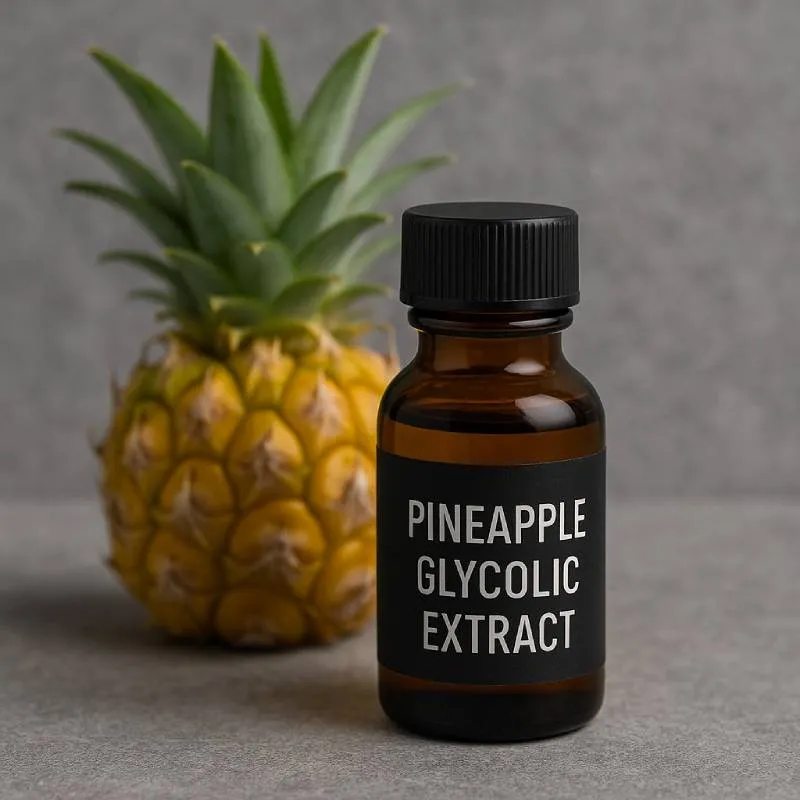
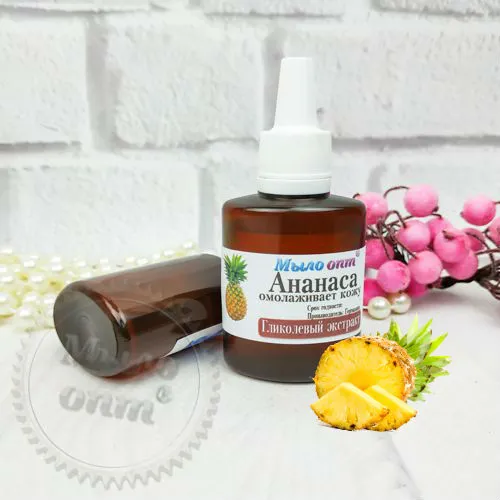
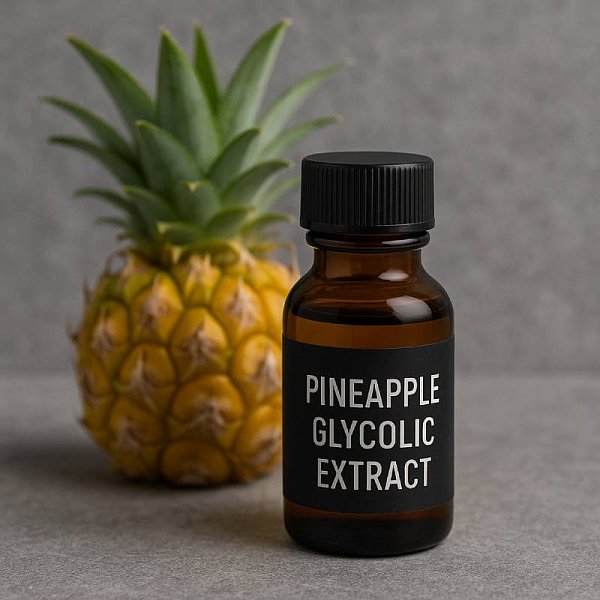
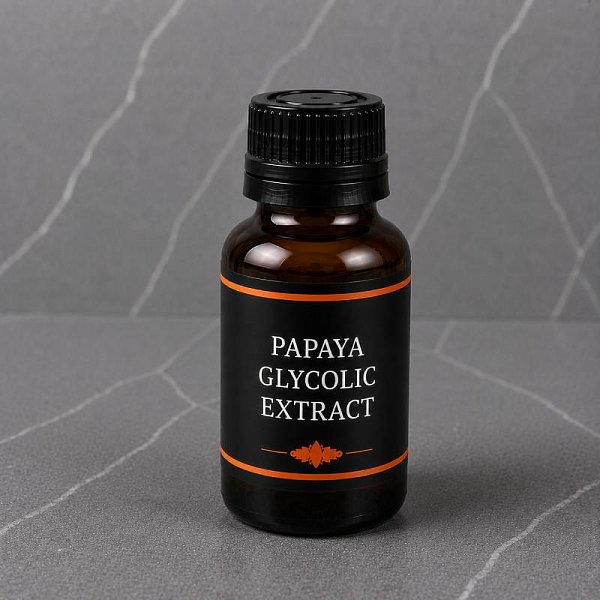
Pineapple glycolic extract is produced from Ananas sativus fruit using a glycolic base and supplied in 25 ml bottles. Glycolic Extracts remain stable in liquid form and integrate into both cosmetic and food-grade formulations worldwide. The material meets requirements for natural plant raw material used by international manufacturers. This format supports precise dosing in various production scales.
Technical parameters for B2B buyers
The liquid dissolves readily in water, alcohol and propylene glycol at input levels from 0.05 to 5 percent. Cosmetic laboratories add the extract to cooling emulsions under gentle stirring. Bulk buyers often source larger volumes for consistent production runs. Stability in glycolic medium supports extended shelf life until December 2028.
Applications in cosmetic laboratories
The extract suits serums, toners, masks and creams for face and body. It supports skin surface renewal and improves emulsion texture in formulas for oily or combination skin. Pineapple Glycolic Extract 1 L is ordered by labs for scaled production of cleansing gels and lotions. Integration occurs during the cooling phase to maintain activity.
Role as raw material for dietary supplements and food production
Supplement and confectionery manufacturers worldwide purchase this extract as a botanical ingredient for functional beverages and food blends. The material is incorporated at permitted levels without altering taste profiles of finished products. Both private formulators and large factories rely on this raw material for consistent quality.
Example formulation for a facial serum
Combine 88 g distilled water with 4 g vegetable glycerin. Add 5 g pineapple glycolic extract and 2 g panthenol. Incorporate 1 g preservative and adjust to pH 5.5-6.5. The serum remains stable when stored in a cool dark place. This simple blend demonstrates ease of use in aqueous systems.
Additional compatibility notes
The extract pairs well with common humectants and water-soluble actives. Formulators should consider phase addition to avoid potential interactions. Botanical Extracts of this category enhance overall formula performance in multiple categories.
Storage recommendations
Keep containers tightly closed in a cool dark location. The shelf life extends to December 2028 under proper conditions.
Frequently asked questions
Is the extract suitable for oil-based systems?
It performs best in aqueous and glycolic phases; limited dispersion occurs in pure oils.
What is the correct addition temperature?
Add the extract below 40 °C to preserve enzymatic activity.
Can it be used in dry blend supplements?
The liquid form requires prior dilution before incorporation into dry mixes.