-
 Absolutes
-
 Active Complexes
-
 Actives & Peptides
-
 Amino Acids & Proteins
-
 Food Flavors
-
 Ayurvedic Ingredients & Herbs
-
 Vitamins & Coenzymes
-
 Chocolate Making Supplies
-
 Thickeners & Gelling Agents
-
 Hydrosols & Floral Waters
-
 Hydrolyzed Proteins
-
 Fragrance Ingredients
-
 Nutraceutical Ingredients
-
 Acids, Salts, Alcohols & Alkalis
-
 Preservatives & Antioxidants
-
 Cosmetic Ingredients
-
 Colorants, Micas & Glitters
-
 Masks, Scrubs & Botanicals
-
 Oils & Butters
-
 Candle Making Supplies
-
 Melt and Pour Soap Bases
-
 Cream, Lotion & Hair Care Bases
-
 Fragrance Oils & Industrial Aromatics
-
 Cleansing Agents & Surfactants
-
 Peeling Actives & Acids
-
 Cosmetic Powders
-
 Solvents & Humectants
-
 Silicones & Conditioning Agents
-
 Bottles, Jars & Vials
-
 Silicone & Plastic Molds, Tools
-
 Botanical Extracts
-
 Cosmetic Emollients
-
 Emulsifiers
-
 Essential Oils
- Anti-Aging & Fine Lines 645
- Hair & Scalp Treatments 420
- Body Contouring & Slimming Actives 95
- Mineral Skincare 60
- Vegan Cosmetic Actives 205
- Hyaluronic Acid (HA) 56
- Skin Lightening & Depigmentation Actives 160
- Skin Barrier & Repair Actives 439
- Lifting Systems 124
- Myorelaxants 48
- Body Shaping Actives 84
- Peptides for Cosmetics 294
- Polynucleotides (PDRN) 97
- Anti Inflammatory And Anti Acne Actives 231
- Moisturizing Actives 512
- Skin Firmness and Tone Actives 329
- Actives For Eye Contour Care 160
- Actives for Sensitive Skin 246
- Exosomes 61
- Cosmetic Actives Wholesale 2834
- Peptides Wholesale 549


Actives For Eye Contour Care

 Add to cart
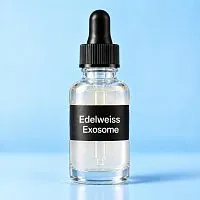









Peptide and active blends for delicate skin formulas
This section gathers concentrated actives selected for the thin, reactive skin around the eyes, including peptide complexes, brightening agents, and firming compounds. These raw materials are dosed and formulated for use in creams, gels, serums, and emulsions built specifically for that fragile zone. Each ingredient is supplied as a functional building block for your own formulation, not a finished product.
Formulators use these actives to address puffiness, dullness, and loss of elasticity by working on microcirculation, collagen support, and skin barrier reinforcement. The same peptide or active can appear in a light gel serum, a richer night cream, or a patch formula, depending on the carrier and concentration a lab chooses. Many of these compounds pair naturally with broader ingredient lines such as Peptides for Cosmetics or the wider Cosmetic Actives Wholesale range when a formula needs additional functional layers beyond eye care alone.
Because dosing precision matters more in this zone than almost anywhere else on the face, formulators typically request small-batch samples before committing to a full production run, testing texture and compatibility with existing bases first.
Types of actives and how they differ
Not every ingredient in this group works the same way. Some, like DERMICAN LS 9745, 10 g, are built around firming and elasticity support, targeting the loss of structure that shows up as fine lines and sagging. Others, such as ANTIOX 3D 5 ml, are positioned as protective actives that help formulas counter oxidative stress on thin, exposed skin.
A separate group focuses on circulation and visible puffiness rather than firmness alone. LPDs Ruscus 5 ml is a liposomal carrier form built to support drainage-related concerns, while Syn Eye 5 ml combines several mechanisms into one complex rather than isolating a single function. This is why two products in the same section can look similar on paper but behave completely differently once formulated into a serum or gel.
Choosing an active and building a compatible formula
Selection usually starts with the mechanism a lab wants to prioritize: barrier support, microcirculation, antioxidant protection, or structural firmness. NIKKOL Tocoretinate-10 3 g is often chosen when a formula needs a retinoid-adjacent active with a gentler profile suited to sensitive zones, while Sepilift DPHP 2 g is frequently paired with hydrating actives to balance a firming effect with comfort on thin skin.
Hydration carriers matter just as much as the active itself. Hyaderm 10 g is commonly layered underneath firming or brightening compounds to keep a finished serum or cream from feeling tight after application. None of these ingredients are limited to eye care alone: the same molecules regularly appear in broader anti-aging lines, and formulators exploring options beyond this category often cross-reference the full Peptides Wholesale range to layer additional peptide functions into a single product.
Origin, format, and storage considerations
Raw materials in this group typically arrive from established cosmetic ingredient producers in Germany, France, Japan, Spain, and Switzerland, reflecting the technical nature of peptide and active chemistry. Formats vary from small liquid vials to powders and pastes measured in grams, which affects how a lab calculates dosage per batch.
Most actives in this category are sensitive to heat, light, or prolonged air exposure once opened, so cool, dark storage and prompt resealing after each use are standard practice. Given the concentration levels involved, working from small trial batches before scaling a formula remains the most reliable way to confirm texture, stability, and compatibility with an existing base.
FAQ
What actives are typically used in eye area formulas
Formulators usually rely on peptide complexes for firmness, brightening agents to even tone, and compounds that support microcirculation and barrier strength. The right mix depends on whether the target result is reducing puffiness, softening fine lines, or improving overall skin resilience in that thin zone.
Can these ingredients be used outside eye contour products
Yes. These actives are supplied as raw functional ingredients, not finished eye products, so labs also use them in facial serums, night creams, and broader anti-aging formulas wherever similar concentration and delivery requirements apply.
How should peptide and active ingredients be stored before use
Most concentrated actives are sensitive to heat, light, and air exposure, so they should be kept in sealed original packaging in a cool, dark place. Checking supplier guidance on shelf life and storage temperature before formulating a batch helps preserve stability and activity.
How much of these actives should go into a small test batch
Concentration ranges vary widely by ingredient and desired effect, so most formulators start with a small sample batch at a conservative dosage before scaling up production. This lets a lab confirm texture, stability, and compatibility with other components before committing to larger volumes.
Recommendations
When choosing an active or peptide complex for eye area formulas, match the ingredient function to your target result, whether that is firmness, brightness, or reduced puffiness, and check recommended dosage ranges before scaling a batch. Requesting a small sample first helps confirm how the ingredient performs in your specific base. Reach out by email to discuss quantities and lead times for your production plan.


