Worldwide delivery  |  Free delivery in all Ukraine from 1899 UAH
Product catalog
Master classes, recipes, tips
AMIGEL rheology guide: Sclerotium Gum in gels emulsions and suspensions
A comprehensive technical formulation guide dedicated to managing rheology in cosmetics using the natural polysaccharide AMIGEL (Sclerotium Gum). This article explores the physical mechanisms of polymer hydration and network formation for structuring clear gels, light emulsions, and particle-suspending fluids. It covers pre-dispersion in polyols, electrolyte stability, shear rate handling, incompatibility limits, thermal limits, and precise pH controls. Features three complete DIY recipes with step-by-step compounding instructions and cold storage standards.
Natpure Film AP: natural film-forming technology for skin color cosmetics and hair
A comprehensive technical formulation guide dedicated to utilizing the bio-based film former Natpure Film AP (derived from sugar cane) in color cosmetics and hair care. This article breaks down the physical mechanics of flexible film creation, moisture resistance, and pigment adhesion enhancement. It covers aqueous dissolution protocols, compatibility with natural polymers and gums, thermal boundaries, and precise pH controls. Features three complete DIY recipes with step-by-step compounding instructions and storage standards.
ViableCare LipoCare 8: integrating a liposomal ceramide complex into barrier-care formulas
A comprehensive technical formulation guide to designing skin barrier restoration creams and liposomal fluids using ViableCare LipoCare 8. This article breaks down the physiological mechanism of ceramide integration into stratum corneum lipids to stop transepidermal water loss. It details exact processing protocols to protect liposomal structures, low-shear cooling phase entry below thirty degrees Celsius, emulsifier compatibility, and pH boundaries. Features three complete DIY recipes with step-by-step compounding instructions and cold storage standards.
Product Description

Acetyl Tetrapeptide 15 as an Advanced Biomimetic Calming Peptide for Sensitive Skin Formulations

Acetyl Tetrapeptide 15 is a cutting edge biomimetic peptide engineered specifically to target neurogenic inflammation and reduce skin reactivity. In the dynamic global cosmetics industry, formulators constantly seek active ingredients capable of soothing irritated skin while raising the tolerance threshold against external environmental aggressors. This specialized peptide works by interacting directly with nerve endings in the epidermis, specifically modulating the release of inflammatory neurotransmitters that trigger discomfort, redness, and stinging sensations. By integrating Acetyl Tetrapeptide 15 into modern skincare lines, developers can offer end users immediate relief and long-term protection, transforming standard lotions and serums into clinical-grade soothing treatments. Its high purity, exceptional stability, and targeted efficacy make it a cornerstone component for brands focusing on sensitive, rosacea-prone, or post-procedural skin care.

Mechanism of Action and Functional Role in Cosmetic Systems

The operational science behind Acetyl Tetrapeptide 15 lies in its unique sequence of amino acids designed to mimic natural regulatory signals within human skin. This peptide acts primarily as a calming agent that inhibits the activation of sensory receptors responsible for neurogenic inflammation. Within complex emulsions, it serves as a functional active that protects cellular integrity, supports microcapillary resilience, and minimizes visible erythema. Formulators appreciate this ingredient for its seamless compatibility with other moisturizing agents, amino acids, and lipid components, allowing it to fit into water-based serums, protective barrier creams, and restorative masks without altering system viscosity or pH. Its inclusion ensures that products deliver a soothing sensation upon application while reinforcing the skin barrier over sustained periods of daily use.

Industrial Applications and Global Market Relevance

Acetyl Tetrapeptide 15 enjoys robust demand across multiple sectors of the professional and consumer beauty markets. In facial care, it is a primary active in anti-redness serums, post-peel recovery balms, and daily moisturizers designed for reactive skin types. The pharmaceutical and cosmeceutical industries utilize its anti-inflammatory properties to formulate treatments for compromised skin conditions and post-dermatological interventions. In professional salon settings, estheticians rely on formulations containing this peptide to calm skin immediately after intensive cleansing or hardware procedures. Global market trends indicate a surging consumer preference for gentle, non-irritating active ingredients, positioning this peptide as an essential component for brands aiming to capture the expanding sensitive skin demographic.

Recipe for a Soothing Peptide Recovery Serum

Purified demineralized water 82 ml Acetyl Tetrapeptide 15 active solution 5 ml Sodium hyaluronate low molecular weight 2 grams Vegetable glycerin 5 ml Pentylene glycol 4 ml Broad spectrum eco preservative 2 ml

In a sterilized glass laboratory beaker, combine the purified demineralized water and vegetable glycerin. Sprinkle the low molecular weight sodium hyaluronate powder over the liquid surface and allow it to hydrate fully until a uniform, clear gel forms. Introduce the pentylene glycol and the Acetyl Tetrapeptide 15 solution into the mixture, stirring gently with a glass rod to ensure complete integration of the active molecules. Finally, add the eco preservative and mix the entire batch thoroughly for several minutes at low speed.

The resulting recovery serum possesses a lightweight, slippery texture that glides effortlessly across the skin and absorbs completely without leaving a tacky residue. Upon application, it provides an immediate cooling and comforting sensation, significantly reducing visible redness and calming irritated nerve responses. Regular use restores optimal moisture levels, strengthens the natural protective barrier, and leaves sensitive skin looking balanced, smooth, and resilient against daily environmental stressors.

Characteristics:
INCI Acetyl Tetrapeptide-15
pH 4.0-7.0
Other
Application Serums Creams Lotions Toners Essences Ampoules Masks Eye Creams Post-peel products After-sun products After-shave products Cosmetics for sensitive skin
Att brand Spain
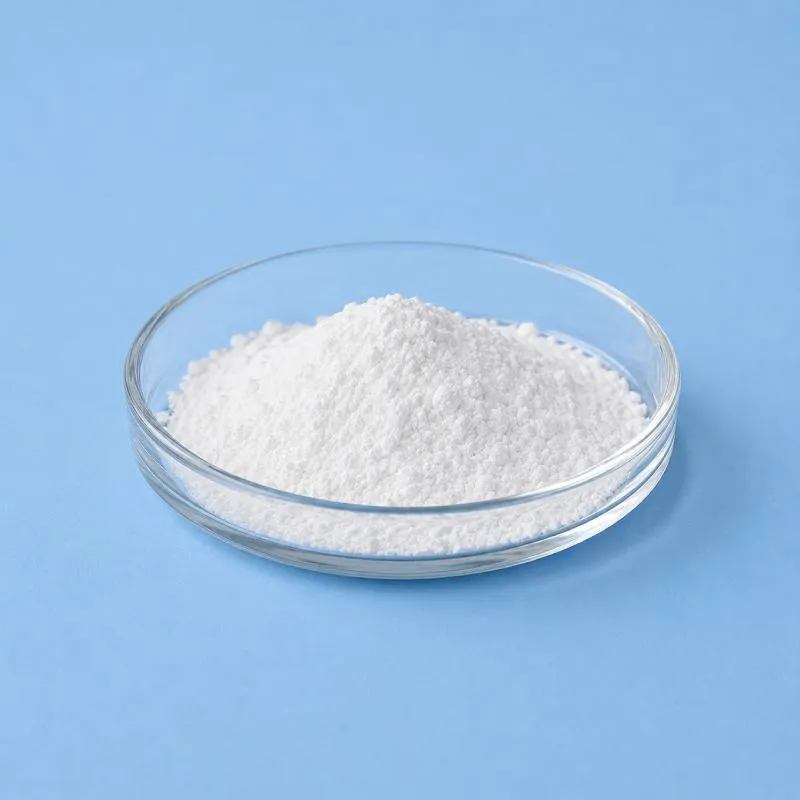
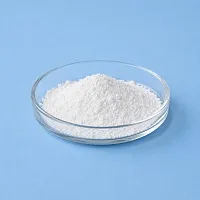
Color product white
Dosage Toners 0.01-0.05% Serums 0.01-0.1% Creams 0.01-0.1% Lotions 0.01-0.05% Essences 0.01-0.1% Ampoules 0.02-0.1% Masks 0.02-0.1% Eye creams 0.01-0.05%
Features All information presented on the site is for reference only
Name Acetyl Tetrapeptide 15 50 g
Other names Acetyl Tetrapeptide-15 Skinasensyl Peptide Sensitive Skin Peptide Soothing Peptide Neuropeptide for Sensitive Skin / Acetyl Tetrapeptide-15 Skinasensyl Ac-YPFF-NH2 N-Acetyl-Tyr-Pro-Phe-Phe-NH2 Sensitive Skin Peptide
Packaging container for transportation
Properties Reduces skin discomfort Increases the resilience of sensitive skin Reduces skin's reaction to external irritants Soothes skin Maintains the protective barrier Suitable after acid treatments Suitable after sun exposure Suitable after shaving Reduces tingling sensation Suitable for sensitive skin Compatible with peptides Compatible with PDRN Compatible with exosomes Compatible with ceramides Compatible with hyaluronic acid
Purpose Sensitive Skin Care Soothing Skin Care Post-Cosmetics Skin Care Skin Restoration Redness Care Eye Care Anti-Aging Skin Care Daily Skin Care
Solubility in the water
View powder
Valid until 10.2028
Add a review
Your score:
Send feedback
Error

Close window
Product added to cart
Total:
Request the price of the product
Fill in the details for the price request
Request a price Request a price