Why Damask Rose Petal Powder Remains a Staple in Ayurvedic and Natural Product Formulations
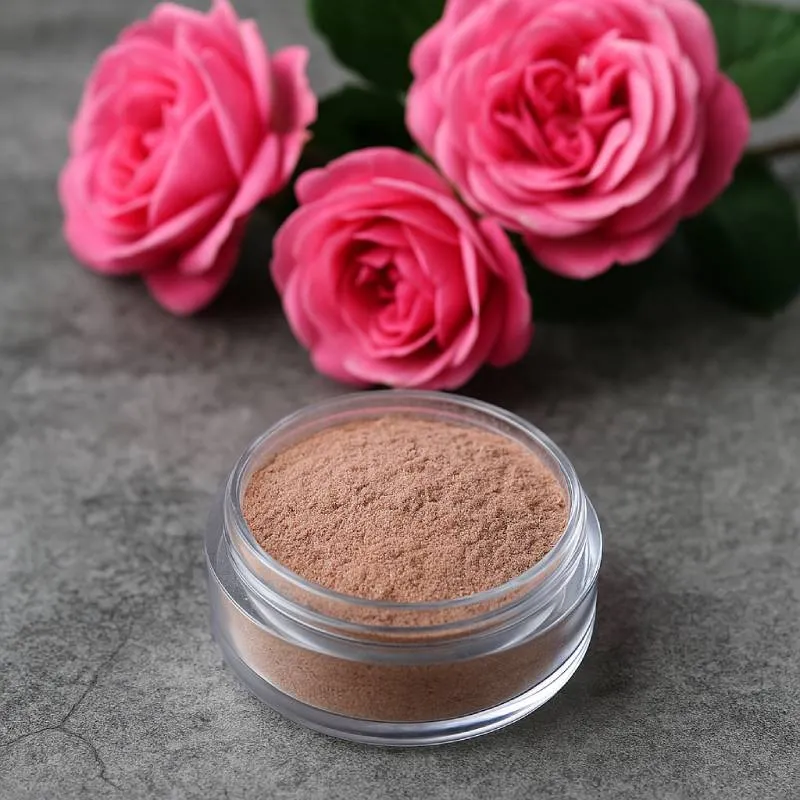
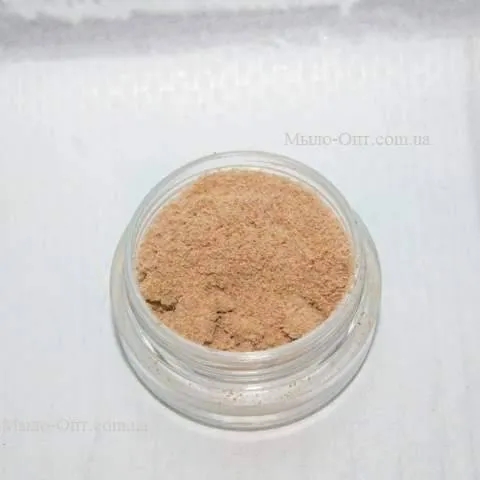
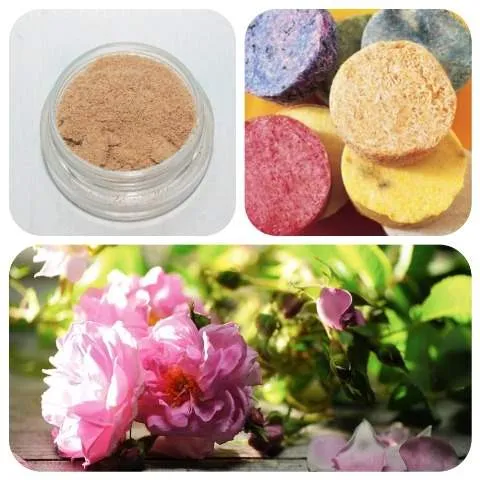
Damask rose petal powder, made by drying and finely grinding fresh rose blossoms, is one of the most globally recognized botanical ingredients across natural cosmetics, culinary traditions, and aromatic industries. This product belongs to the Ayurvedic Powders Wholesale section, which brings together plant-based powders for masks, facial pigments, scrubs, and aromatic blends. The 1 kg pack size is suited for studio-scale and small-batch cosmetic manufacturing, formulation labs, and producers who prepare regular batches for a growing client base.
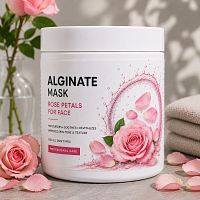
The primary application of rose petal powder lies in skincare and color cosmetics: it is widely used in facial masks, toning powders, body scrubs, natural blush formulations, and tinted bases, where it serves simultaneously as a functional ingredient, natural fragrance carrier, and a source of soft pink pigmentation. Within Ayurvedic practice, rose powder is valued for its refreshing and toning effect on skin and its frequent inclusion in spa rituals and bathing preparations. Beyond cosmetics, the powder is commonly used in the food industry as a flavoring and aromatic addition to confectionery, teas, and desserts across Middle Eastern and South Asian cuisines, as well as in the production of natural incense and sachets.
In formulations, rose petal powder blends well with other Ayurvedic botanicals. For layered clay masks, it is often paired with Trifoliatus Ayurvedic Powder, which contributes additional cleansing and tightening properties, while Powder Urukum is used to deepen the natural color tone of a blend. For mattifying and absorbent mixtures, rose powder is frequently combined with Lycopodium powder, which adds a light, loose texture to the final product.
The powder is typically introduced during the dry-mixing stage, before liquid components are added, at a dosage ranging from 3 to 15 percent of the total formulation depending on the desired fragrance intensity and color depth. Temperature is not a critical factor, as the powder remains stable at room conditions, though heat-sensitive formulations should avoid exceeding 40-45 degrees Celsius to preserve aromatic compounds. The raw material should be stored in an airtight container, in a dry and shaded space at temperatures not exceeding 25 degrees, protected from moisture and direct sunlight to maintain color and scent over an extended period.
Rose and Oat Facial Polishing Mask
Damask rose petal powder 25 g
Colloidal oat powder 45 g
Kaolin clay 30 g
Sweet almond oil 15 ml
Rose absolute or essential oil 3 drops
Combine
the rose powder, oat powder, and kaolin clay in a dry bowl until evenly
blended. Gradually add the almond oil while stirring continuously to form a
smooth, slightly crumbly paste. Finish by adding the rose oil and mixing
thoroughly. Transfer the finished blend into an airtight jar and use within two
to three weeks, applying a thin layer to damp skin with gentle circular motions
for two minutes before rinsing off with warm water.