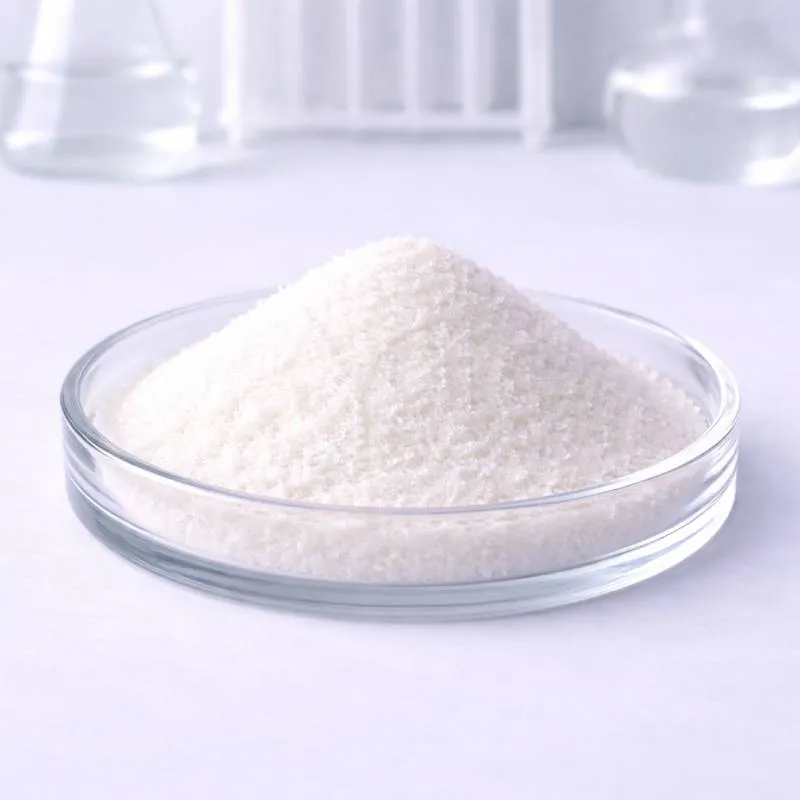
2 Acetylpyridine aromatic ketone for flavor systems and industrial production of aromatic formulation
2 Acetylpyridine is an aromatic ketone and a highly active raw material used in formulation as a flavor ingredient, aroma modifier and functional ingredient for building complex taste and aroma profiles. This component is used in industrial manufacturing wherever pronounced roasted, nutty, warm, cereal and caramel tonalities are required in the finished product. In the global market, the main demand for 2 Acetylpyridine is concentrated first of all in Food and Beverage, because in food flavor systems it serves as a technological tool for increasing flavor depth and building multilayer sensory profiles. In addition, the component is used in fragrance, cleaning, technical scenting systems, contract manufacturing and private label projects where stable aromatic bases are required. In formulation, 2 Acetylpyridine is compatible with ingredients such as Ethyl Maltol, Vanillin, Acetyl Pyrazine, Furaneol, Maltol, Gamma Undecalactone, Benzaldehyde, as well as solvents including Propylene Glycol, Triacetin, Ethanol and other carriers for aromatic systems. Due to its high activity and expressive sensory profile, the component is typically used in small concentrations, which makes it an efficient raw material for large scale production.
Properties and functional role in formulation
2 Acetylpyridine functions as an aromatic functional ingredient introduced at the stage of building a flavor base or a finished aromatic formulation. Its main technological role is not limited to creating its own note, because it also amplifies surrounding tonalities within the composition, working as a flavor enhancer and as a modifier of aromatic architecture. In food systems, the component strengthens roasted, nutty, coffee like, cereal, bread like and caramel warm directions, giving depth and fullness to overall perception. In fragrance compositions, it is used to create a warm base and to connect top and middle notes into a more stable structure. In formulation, 2 Acetylpyridine distributes well in glycol based, alcohol based and mixed carriers, retains activity in multicomponent systems and shows predictable behavior when dosed correctly. When working with the ingredient, accurate addition, proper dispersion and controlled mixing regime are especially important, because its high activity requires precise balance. As a raw material for manufacturing, it is useful because it enables the development of complex flavor systems with a low dosage and without overloading the composition with excessive aromatic agents.
Properties and result in final product
In the finished product, 2 Acetylpyridine creates a rich, warm and technologically controllable aromatic profile. In food flavors and taste systems, it increases depth, gives the composition roasted, nutty or cereal volume and makes the aroma more complete. In dessert and confectionery directions, the component helps combine caramel, creamy roasted and nutty tonalities into one coherent structure. In beverages, it can be used to create a warm background nuance and to deepen the aftertaste. In fragrance products, 2 Acetylpyridine adds density and a warm base note to the composition. In cleaning products, it helps create a stable and characteristic aromatic background, especially when a deep compositional base is needed rather than only a bright top note. In complex formulation systems, the component supports aromatic profile stability during storage when the system is built on proper solvents and stabilizing carriers. This is especially important for B2B production because it allows predictable batch to batch performance and preserves sensory reproducibility.
Purpose
2 Acetylpyridine is used as a technological ingredient for building and correcting flavor and aroma profiles in industrial manufacturing. Its purpose is to enhance aromatic depth, create warm nutty and roasted accents, balance complex flavor systems and increase sensory expressiveness of the final product. In formulation, the component performs the functions of flavor enhancer, aroma modifier, supporting note and a linking element that connects separate parts of a composition into a more coherent structure. In production, it is used for creating bases, concentrates, intermediate aromatic blends and finished systems for food, fragrance and technical industries. As a raw material, it is especially valuable when a deep, technologically stable and commercially recognizable profile is required without excessive sweetness or an overloaded composition.
Application
2 Acetylpyridine is used across several industries, but Food and Beverage remains the priority field. In food manufacturing, it is used in flavor systems for beverages, desserts, confectionery products, cream fillings, chocolate systems, bakery products, dry mixes, nut profiles, coffee directions and complex taste compositions. In flavor systems, it works as a depth enhancer and as a functional ingredient for building roasted and warm notes. In the fragrance industry, it is used in aromatic compositions where a nutty warm or lightly roasted base accent is required. In cleaning products, it is used for scenting household and professional chemistry when a stable and characteristic aromatic background is needed. In cosmetics and hair care, its role is mainly related to scenting rather than care functionality. In SPA and aromatic systems, it can be part of complex aromatic bases. In pharmaceutical and supplement products, it may be used for aroma adjustment if the technological scheme permits such use. In private label and contract manufacturing, the ingredient is demanded as a universal raw material for development of proprietary flavor bases and aromatic systems.
Recipe
Nutty caramel aromatic base for food flavor systems
Propylene Glycol — 760 ml
Triacetin — 120 ml
2 Acetylpyridine — 5 g
Ethyl Maltol — 12 g
Vanillin — 24 g
Acetyl Pyrazine — 4 g
Furaneol — 6 g
Maltol — 8 g
Gamma Undecalactone — 6 ml
Into the solvent phase consisting of Propylene Glycol and Triacetin, Ethyl Maltol and Maltol are introduced at about 45–50 degrees with mixing until the crystalline components are fully dissolved. After a clear and uniform base is obtained, Vanillin is added and mixing continues until it is fully distributed in the system. Next, 2 Acetylpyridine is introduced, followed by uniform dispersion and controlled technological mixing without overheating. At the next stage, Acetyl Pyrazine is added, then Furaneol, and the composition is brought to a homogeneous state. Gamma Undecalactone is introduced at the final stage at a reduced temperature in order to preserve aromatic profile stability and avoid overloading the top part of the system. After all components are combined, gentle homogenization is carried out, and the composition is then held for stabilization at room temperature. The result is a multilayer aromatic base with a pronounced nutty caramel direction suitable for further dosing into food formulation systems.
Production stability and scaling
2 Acetylpyridine demonstrates strong technological suitability for industrial scale up provided that accurate dosing and controlled mixing regimes are maintained. When moving from a laboratory batch to B2B manufacturing, it is especially important to control concentration, addition temperature, solvent choice and order of component incorporation. Due to the high activity of the raw material, even small deviations in dosage can significantly influence the final profile, so the component requires strict technological discipline. In a properly designed formulation, 2 Acetylpyridine provides good reproducibility, aroma stability and predictable sensory performance. As a raw material for contract production, it is convenient because it integrates into existing flavor systems without changing the core technological scheme, which makes it a valuable ingredient for large scale production of aromatic bases and concentrates.