Fast worldwide delivery
Product catalog
Master classes, recipes, tips
AMIGEL rheology guide: Sclerotium Gum in gels emulsions and suspensions
A comprehensive technical formulation guide dedicated to managing rheology in cosmetics using the natural polysaccharide AMIGEL (Sclerotium Gum). This article explores the physical mechanisms of polymer hydration and network formation for structuring clear gels, light emulsions, and particle-suspending fluids. It covers pre-dispersion in polyols, electrolyte stability, shear rate handling, incompatibility limits, thermal limits, and precise pH controls. Features three complete DIY recipes with step-by-step compounding instructions and cold storage standards.
Natpure Film AP: natural film-forming technology for skin color cosmetics and hair
A comprehensive technical formulation guide dedicated to utilizing the bio-based film former Natpure Film AP (derived from sugar cane) in color cosmetics and hair care. This article breaks down the physical mechanics of flexible film creation, moisture resistance, and pigment adhesion enhancement. It covers aqueous dissolution protocols, compatibility with natural polymers and gums, thermal boundaries, and precise pH controls. Features three complete DIY recipes with step-by-step compounding instructions and storage standards.
ViableCare LipoCare 8: integrating a liposomal ceramide complex into barrier-care formulas
A comprehensive technical formulation guide to designing skin barrier restoration creams and liposomal fluids using ViableCare LipoCare 8. This article breaks down the physiological mechanism of ceramide integration into stratum corneum lipids to stop transepidermal water loss. It details exact processing protocols to protect liposomal structures, low-shear cooling phase entry below thirty degrees Celsius, emulsifier compatibility, and pH boundaries. Features three complete DIY recipes with step-by-step compounding instructions and cold storage standards.
Product Description

Sodium Stearate functional characteristics and industrial application in cosmetics and household chemistry

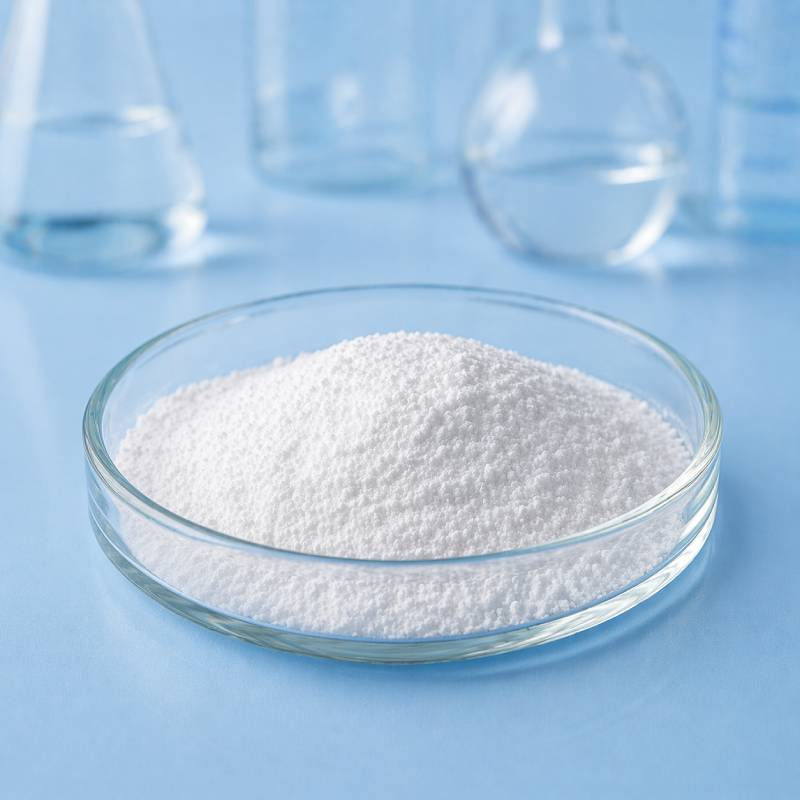
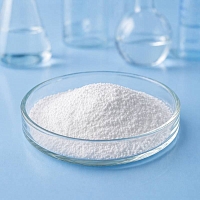
Sodium Stearate is the sodium salt of stearic acid, derived primarily from vegetable fats. This raw material is supplied in a fine white powder format, classified as an anionic surfactant and structuring agent. In the industrial sector, this component is valued for its ability to act as a primary emulsifier and stabilizer for complex systems. The powder format ensures convenience during storage and precision in weight dosing on automated production lines. Manufacturers choose sodium stearate for its high technological compatibility with both aqueous and oil phases, as well as its ability to provide finished products with the necessary hardness and texture uniformity.

Properties and purpose

The main purpose of sodium stearate in production logic is to manage the rheological properties of cosmetic masses and ensure the stability of oil-in-water emulsions. In solid product formulations, this component acts as a structuring agent, forming a stable framework for the item. Formulators use this raw material to achieve a high degree of purification in cleansing products, as it possesses pronounced detergent characteristics. The choice of sodium stearate is driven by its ability to increase the viscosity of formulations without making the texture heavy. Small and medium-sized enterprises value this ingredient for its predictable behavior in formulas and the possibility of creating products with a long shelf life without the risk of phase separation.

Industrial applications

In the cosmetic industry, sodium stearate is a core component in the production of solid deodorants, sticks, and handmade soaps. Face and body skin care often includes this ingredient in the formulations of cleansing foams, gels, and thick creams to ensure the desired consistency. The Wellness sector utilizes the raw material to create aromatic solid bars and massage bars. In the functional products category, sodium stearate is in demand as a thickener for toothpastes and shaving products. Nutraceuticals consider this compound as an auxiliary raw material for tableting and encapsulating powder mixes. The ingredient is ideal for Private label projects and scalable manufacturing aiming to release products that meet global quality and safety standards.

Recipe

Distilled water 70 grams

Sodium Stearate 15 grams

Propylene glycol 10 grams

Vegetable glycerin 4 grams

Fragrance composition 1 gram

Industrial grade sodium stearate ensures the stability of technological processes and full reproducibility of product characteristics in the B2B sector. Using this component in serial production guarantees the consistency of the product's consumer properties and the high efficiency of final formulas.

Characteristics:
INCI Sodium Stearate
pH 9.0–11.0 водный раствор
Other
Application Applications in various fields Cosmetics Solid soap Cleansing agents Deodorant sticks Creams and emulsions Household chemicals Detergents Cleaning compounds Laundry soap Pharmaceuticals Excipient in tablets Stabilizer and emulsifier Industry Rubber and plastics production Lubricants Textile processing
Att brand Germany
Attention All information presented on the site is for reference only, it is recommended to test for an individual reaction before use.
Color product white
Dosage Soap 60–90% of the base composition Creams and emulsions 1–5% Deodorant sticks 5–20% Detergents 1–10% Technical systems by calculation
Features Mandatory testing for sensitivity and allergic reaction, preliminary application to the bend of the elbow
Name Sodium stearate, 1 kg
Other names Stearic Acid Sodium Salt Soap Base Sodium Stearate Sodium Octadecanoate Na Stearate
Packaging container for transportation
Packing 1 kg
Properties A salt of stearic acid, widely used as a surfactant and structuring agent. It has pronounced cleansing and emulsifying properties. It is used as a base for solid soaps and detergent systems. It forms a stable foam and improves product texture. It acts as a thickener and emulsion stabilizer. It creates a dense and uniform structure in solid and semi-solid formulas. It is compatible with aqueous systems and alkaline environments. It is used in cosmetics, household chemicals, and industrial applications.
Purpose Functional emulsifier and surfactant Component for creating cleansers and detergents Ingredient for structuring solid formulas
Solubility Soluble in hot water Forms colloidal solutions Insoluble in oils
Storage conditions in a cool, dry, dark place
View powder
Valid until 08.2027
Add a review
Your score:
Send feedback
Files
Error

Close window
Product added to cart
Total:
Request the price of the product
Fill in the details for the price request
Request a price Request a price