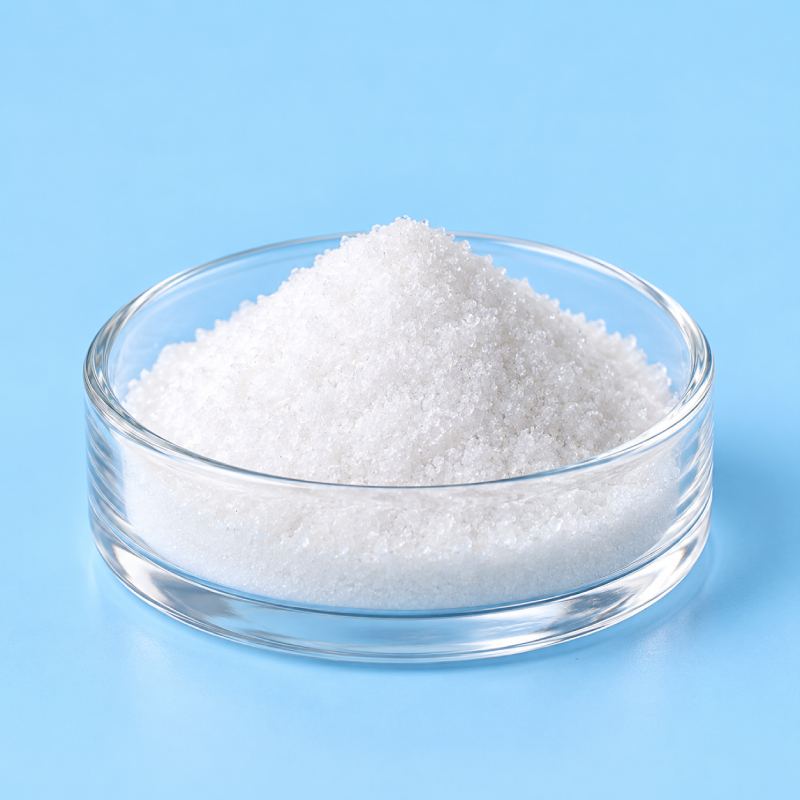
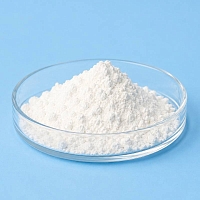
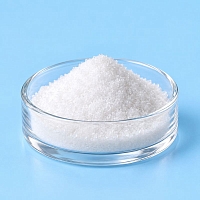
Sebacic acid is a premium-grade dicarboxylic organic compound derived from sustainable plant sources, widely recognized for its exceptional versatility across multiple advanced manufacturing sectors. As a core chemical intermediate containing a ten-carbon straight-chain structure terminated by carboxylic acid groups, this high-purity raw material serves as an essential building block for high-performance polymers, specialized plasticizers, lubricants, and advanced functional formulations. The active substance delivers outstanding thermal stability, excellent chain flexibility, and superior chemical reactivity, enabling formulators to engineer materials with enhanced durability and mechanical resilience. Global market demand for bio-derived dicarboxylic acids continues to expand rapidly as industries prioritize sustainable chemistry without compromising on technical performance or precision engineering standards.
Industrial Applications, Polymer Synthesis, and Formulation Benefits
Within industrial and professional manufacturing, sebacic acid is predominantly utilized in the synthesis of specialized engineering plastics, high-grade polyamides such as nylon variants, and durable synthetic fibers. Its unique molecular architecture allows it to function effectively as a chemical precursor for plasticizers like dibutyl sebacate, which impart exceptional low-temperature flexibility and impact resistance to polymer matrices. In the field of metalworking and household chemistry, derivatives of this dicarboxylic acid act as effective corrosion inhibitors and metal deactivators, protecting surfaces from oxidation and degradation under extreme operational environments. The mechanism of action relies on the chelation and formation of protective hydrophobic films on metal interfaces, preventing oxidative breakdown and extending equipment lifespans significantly.
In the cosmetic industry and professional personal care production, sebacic acid and its functional derivatives play a critical role as regulating agents, pH buffers, and ester precursors used in emollient synthesis and specialized skin-conditioning formulations. While direct inclusion in basic soapmaking is limited due to its acidic nature, it serves as a sophisticated raw material for synthesizing advanced surfactants and conditioning agents that enhance lather stability and skin feel. In pharmaceutical manufacturing, it is valued as a safe, high-purity intermediate for medical-grade polymers, drug delivery matrices, and specialized topical bases. Perfumery laboratories employ sebacic acid derivatives to create stable macrocyclic musks and long-lasting fragrance fixatives that improve scent longevity and fixative properties in fine fragrances. Both industrial enterprises and advanced home-scale production facilities benefit from its predictable reactivity, high batch-to-batch consistency, and compatibility with diverse organic solvents and co-monomers. Formulators and manufacturers appreciate how seamlessly this ingredient integrates into complex chemical systems, offering precise control over esterification reactions, polymer molecular weight distribution, and functional end-user performance parameters.
Metal Protection and Corrosion Inhibitor Concentrate Recipe
Deionized water - seven hundred milliliters
Propylene glycol - one hundred fifty milliliters
Sebacic acid - fifty grams
Triethanolamine - eighty milliliters
Benzotriazole - twenty grams
To prepare this protective concentrate, measure 100 ml of deionized water into a clean heat-resistant glass vessel and begin gentle heating to about sixty degrees Celsius. Slowly add the sebacic acid while stirring continuously until the solid crystals are fully wetted. Introduce the triethanolamine drop by drop into the warm aqueous mixture, allowing complete neutralization and salt formation to occur until the solution becomes entirely clear and transparent. Dissolve the benzotriazole in the propylene glycol separately, then pour this organic phase into the neutralized aqueous solution under constant agitation. Maintain stirring for fifteen minutes until a homogeneous blend is achieved, then allow the mixture to cool completely before transferring it into a tightly sealed polyethylene container.
The resulting liquid concentrate exhibits a clear, light amber appearance with a smooth, non-greasy aqueous fluid texture and a neutral to slightly alkaline working pH when diluted. Upon proper dilution in water, it forms a stable, low-foam protective fluid that creates an invisible, corrosion-resistant molecular barrier on metal surfaces, effectively preventing rust formation while maintaining optimal lubrication and compatibility with multi-metal systems.