Why neem powder remains a staple raw material across skincare and agriculture
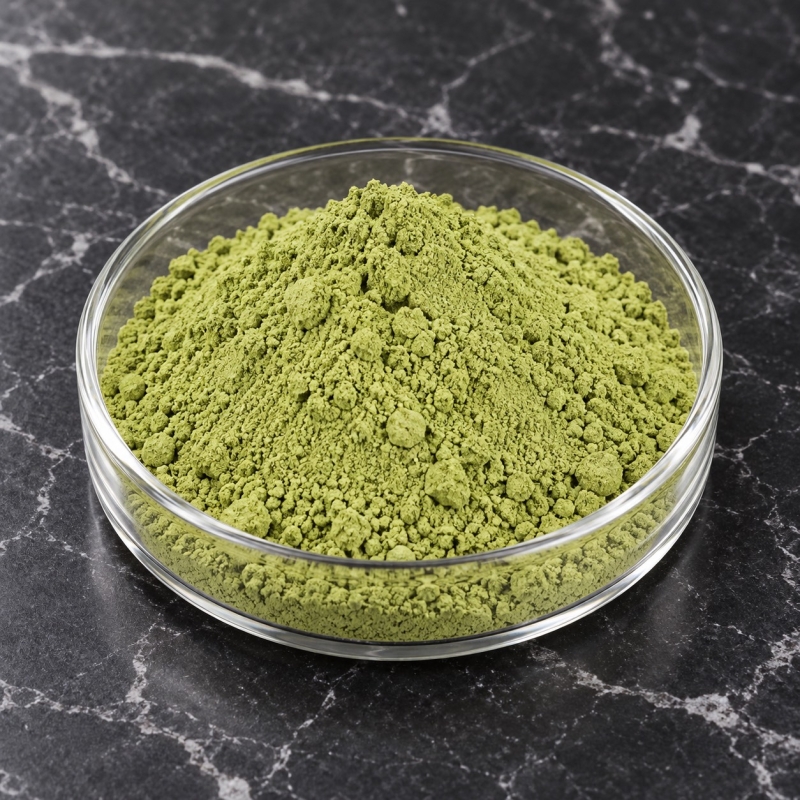
Ground leaves of the azadirachta tree, commonly known as neem, have been used across South Asia for generations and today attract interest far beyond traditional households. Formulators of hair and skin care products, natural gardening enthusiasts, and manufacturers of household care items all turn to this raw material for its distinctive plant compounds. This powder belongs to the Ayurveda
category, which brings together traditional botanical ingredients rooted in Indian herbal practice, and the 100 g size is well suited for home-based formulation, small test batches, and anyone getting acquainted with this ingredient before scaling up to larger volumes.
The most common way to use neem powder in home and small-studio cosmetics is as a hair and scalp mask. The powder is mixed with warm water, an herbal decoction, or a carrier oil until it forms a smooth paste, then applied to the scalp or hair and left on for twenty to forty minutes at room temperature before rinsing with warm water. For facial applications, formulators typically dilute the powder further with aloe gel or a hydrosol to soften its drying effect and create a more comfortable texture for the skin. In dry cosmetic blends and powder masks, neem is introduced during the cold-mixing stage without heating, which helps preserve the active compounds naturally present in the leaves.
Beyond skin and hair care, neem powder is traditionally combined with other botanical powders in layered Ayurvedic formulations. It is frequently paired with Indian Henna 100 g to create tinting and strengthening hair treatments, while smaller test formulations often rely on Indian Henna 20 g. For scalp-focused recipes, neem is also blended with hellebore root powder 100 g, combining both in equal parts for a more pronounced conditioning effect.
A typical dosage of neem powder in finished formulations ranges from five to fifteen grams per hundred grams of base, depending on the desired intensity and skin sensitivity. The powder should be stored in a dry place away from direct sunlight, in a tightly sealed container, since moisture exposure can cause clumping and reduce the quality of the raw material over time. When stored properly, shelf life typically extends up to two years from the packing date. Outside of cosmetic applications, gardeners use neem powder to prepare natural plant infusions, and it also appears in select household care formulations, making it a genuinely multipurpose raw material.
Balancing scalp paste with neem and hellebore root
Neem powder 20 g
Hellebore root powder 10 g
Warm water 65 ml
Jojoba oil 8 ml
Combine
both powders in a non-metallic bowl, gradually add warm water while stirring
until a smooth, lump-free paste forms, then blend in the jojoba oil. Apply the
mixture to the scalp with gentle circular motions, spreading any remainder
along the hair length, leave on for twenty-five minutes under a warm towel, and
rinse thoroughly with warm water and a mild shampoo.