Worldwide delivery  |  Free delivery in all Ukraine from 1899 UAH
Product catalog
Master classes, recipes, tips
AMIGEL rheology guide: Sclerotium Gum in gels emulsions and suspensions
A comprehensive technical formulation guide dedicated to managing rheology in cosmetics using the natural polysaccharide AMIGEL (Sclerotium Gum). This article explores the physical mechanisms of polymer hydration and network formation for structuring clear gels, light emulsions, and particle-suspending fluids. It covers pre-dispersion in polyols, electrolyte stability, shear rate handling, incompatibility limits, thermal limits, and precise pH controls. Features three complete DIY recipes with step-by-step compounding instructions and cold storage standards.
Natpure Film AP: natural film-forming technology for skin color cosmetics and hair
A comprehensive technical formulation guide dedicated to utilizing the bio-based film former Natpure Film AP (derived from sugar cane) in color cosmetics and hair care. This article breaks down the physical mechanics of flexible film creation, moisture resistance, and pigment adhesion enhancement. It covers aqueous dissolution protocols, compatibility with natural polymers and gums, thermal boundaries, and precise pH controls. Features three complete DIY recipes with step-by-step compounding instructions and storage standards.
ViableCare LipoCare 8: integrating a liposomal ceramide complex into barrier-care formulas
A comprehensive technical formulation guide to designing skin barrier restoration creams and liposomal fluids using ViableCare LipoCare 8. This article breaks down the physiological mechanism of ceramide integration into stratum corneum lipids to stop transepidermal water loss. It details exact processing protocols to protect liposomal structures, low-shear cooling phase entry below thirty degrees Celsius, emulsifier compatibility, and pH boundaries. Features three complete DIY recipes with step-by-step compounding instructions and cold storage standards.
Product Description

Phenylbenzimidazole Sulfonic Acid: Advanced Water-Soluble UV Protection for Modern Cosmetics

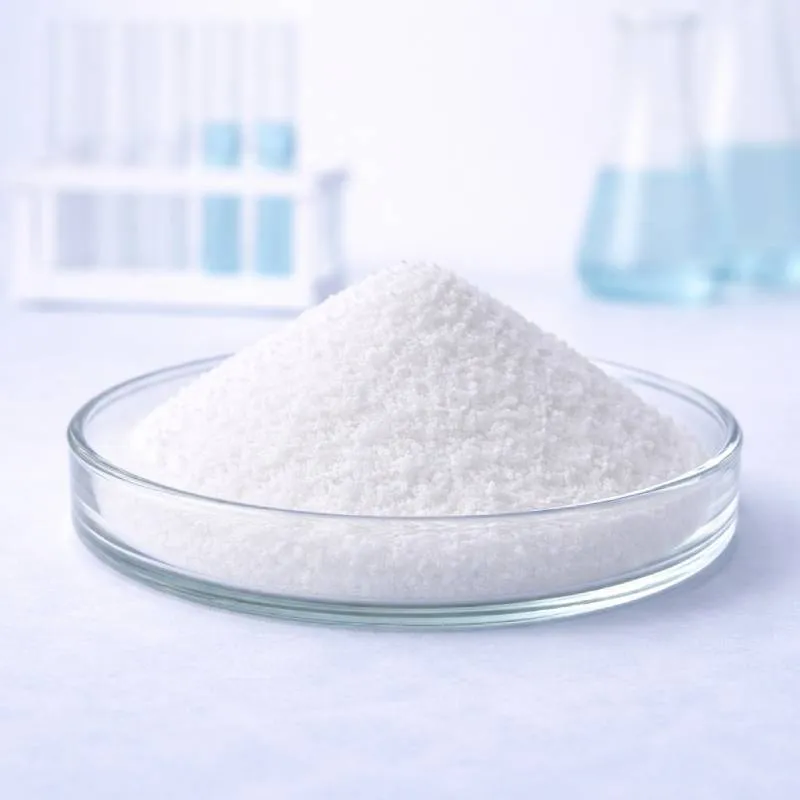
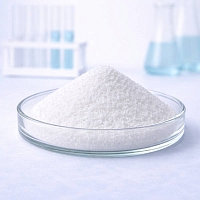
Phenylbenzimidazole Sulfonic Acid, often referred to as Ensulizole, is a highly efficient, water-soluble chemical sunscreen agent that provides exceptional protection against ultraviolet B (UVB) radiation. Unlike many other organic UV filters that are oil-soluble and can leave a heavy or greasy residue, this component is prized for its ability to create lightweight, non-greasy, and transparent sun care formulations. It appears as a white to off-white crystalline powder and must be neutralized with a base, such as triethanolamine or sodium hydroxide, to become soluble and active within a cosmetic formula. This unique characteristic makes it an indispensable asset for formulators aiming to develop daily wear sunscreens, mattifying day creams, and high-performance sports lotions that feel invisible on the skin.

Technical Properties and Performance Benefits

The primary function of Phenylbenzimidazole Sulfonic Acid is to absorb UVB rays, which are the main cause of sunburn and DNA damage in the skin. When properly neutralized to a pH between 7.0 and 8.0, it transforms into a highly stable salt that offers excellent photostability and a smooth skin feel.

Key advantages include:

  • High UVB Absorption: It features a high extinction coefficient, making it very effective at low concentrations for boosting the overall Sun Protection Factor (SPF) of a product.

  • Water Solubility: Ideal for oil-in-water (O/W) emulsions, allowing for the creation of "dry-touch" formulas that are perfect for oily or acne-prone skin.

  • Synergistic Effects: It works exceptionally well in combination with oil-soluble filters like Avobenzone, helping to stabilize them and increasing the broad-spectrum efficacy of the final product.

  • Lightweight Sensory Profile: It provides a fresh, cooling sensation upon application and does not contribute to the "white cast" often associated with mineral sunscreens.

  • Water Resistance: Because it is neutralized into a salt, it can be formulated into water-resistant products when combined with appropriate film-formers.

Detailed Applications and Usage Areas

Phenylbenzimidazole Sulfonic Acid is utilized across various segments of the personal care industry, supporting global shipping needs for high-quality cosmetic raw materials.

Daily Facial Moisturizers: It is a staple ingredient in day creams with SPF, providing essential protection against incidental sun exposure without ruining the aesthetic feel of the moisturizer or interfering with makeup application.

Oil-Free Sunscreen Gels: Due to its water-soluble nature, it is the preferred choice for transparent or translucent sunscreen gels and aqueous sprays designed for consumers who dislike traditional creamy lotions.

Sports and Outdoor Sunscreens: It is frequently used in high-SPF sports formulas because it does not feel heavy during physical activity and helps maintain a non-greasy grip.

Mattifying Sun Care: Perfect for products targeting oily and combination skin, as it helps maintain a matte finish while providing robust UVB defense.

After-Sun and Protective Hair Care: Sometimes incorporated into hair serums or leave-in conditioners to protect the hair shaft from UV-induced color fading and structural damage.

Anti-Aging Formulations: Used as a preventative active in anti-aging serums to stop the formation of sunspots and fine lines caused by chronic UVB exposure.

Recipe: Ultra-Light Daily UV Protection Essence

This recipe demonstrates how to properly neutralize and incorporate Phenylbenzimidazole Sulfonic Acid into a refreshing, lightweight essence for daily use.

Ingredients:

  • Seventy-six milliliters Distilled Water (Aqueous Base)

  • Four grams Phenylbenzimidazole Sulfonic Acid (UVB Filter)

  • One point five milliliters Triethanolamine (Neutralizing Agent to achieve pH 7.0-7.5)

  • Ten milliliters Aloe Vera Gel (Soothing Agent)

  • Five milliliters Glycerin (Humectant)

  • Two grams Panthenol (Provitamin B5)

  • One point five milliliters Preservative (e.g., Phenoxyethanol)

Instructions for Preparation:

First Step — Acid Dispersion: In a heat-resistant glass beaker, add the Distilled Water and sprinkle the Phenylbenzimidazole Sulfonic Acid powder onto the surface. Stir manually until the powder is dispersed, though it will not be dissolved yet.

Second Step — Neutralization: Gradually add the Triethanolamine while stirring continuously. You will observe the cloudy mixture turning clear as the acid is neutralized and becomes soluble. Use a pH meter to ensure the solution reaches a pH of approximately 7.2. The solution must be clear before proceeding.

Third Step — Adding Humectants: Add the Glycerin, Aloe Vera Gel, and Panthenol to the clear aqueous phase. Stir for several minutes until the mixture is completely uniform and smooth.

Fourth Step — Preservation: Add the Preservative to the mixture. Stir thoroughly to ensure even distribution throughout the essence.

Fifth Step — Final Check and Bottling: Verify the final pH once more. If it remains within the 7.0 to 8.0 range, transfer the liquid to a dark glass bottle or a specialized pump dispenser to protect the actives from light.

Recommendations for Application and Storage:

  • Neutralization Requirement: Never use this ingredient without neutralizing it first. The solubility and UV-absorbing capacity are only activated when the pH is adjusted to a neutral or slightly alkaline state.

  • Usage Levels: The recommended usage level is typically between 2% and 4% for standard cosmetic products, depending on regional regulations.

  • Storage Conditions: Store the raw powder and the finished essence in a cool, dry place. Avoid direct sunlight and extreme temperatures to prevent crystallization or degradation.

  • Skin Compatibility: While generally well-tolerated, formulations with this ingredient should be tested for skin sensitivity due to the required neutral pH levels.

Characteristics:
INCI Phenylbenzimidazole Sulfonic Acid
Other
Application Sunscreen cosmetics Daily skincare with SPF Creams, lotions, body lotions Moisturizing and toning formulas with protection SPF gels for oily skin Dermatological sunscreens
Att brand Germany
Color product white or light beige
Dosage For sunscreens (SPF): up to 4% in the US in Europe and Canada - up to 8% in Japan - up to 3% in China/India - up to 4% generally combined with other UV filters for extended-spectrum protection
Features All information presented on the site is for reference only
Name Phenylbenzimidazole Sulfonic Acid 10 g
Other names Ensulizole 2‑Phenylbenzimidazole‑5‑sulfonic acid PBSA Eusolex 232 Neo Heliopan Hydro
Packaging container for transportation
Packing 100 g
Properties Water-soluble organic UV filter effectively absorbs ultraviolet radiation in the UVB spectrum (280–320 nm) in salt form, it provides a light texture to cosmetic formulas ensures photostability of sunscreens does not leave a heavy, greasy feeling on the skin improves resistance to sunlight can be used as part of complex SPF formulas
Purpose In cosmetics: active ingredient in sunscreens and lotions component of SPF formulas for face and body daytime moisturizers with UVB protection gels and light textures for oily or combination skin hydrophilic and aqueous phases of formulas components for those with sensitive skin In pharmaceutical/dermatological products: components of medical sunscreen lines therapeutic and protective programs for high sun exposure In other areas: formulations for cosmetic SPF products with an aesthetic finish combinations with other filters for broad-spectrum protection
Solubility water
View powder
Valid until 10.2028
Add a review
Your score:
Send feedback
Error

Close window
Product added to cart
Total:
Request the price of the product
Fill in the details for the price request
Request a price Request a price