Phenylbenzimidazole Sulfonic Acid: High-Efficiency Water-Soluble UV Filter for Superior Sun Protection
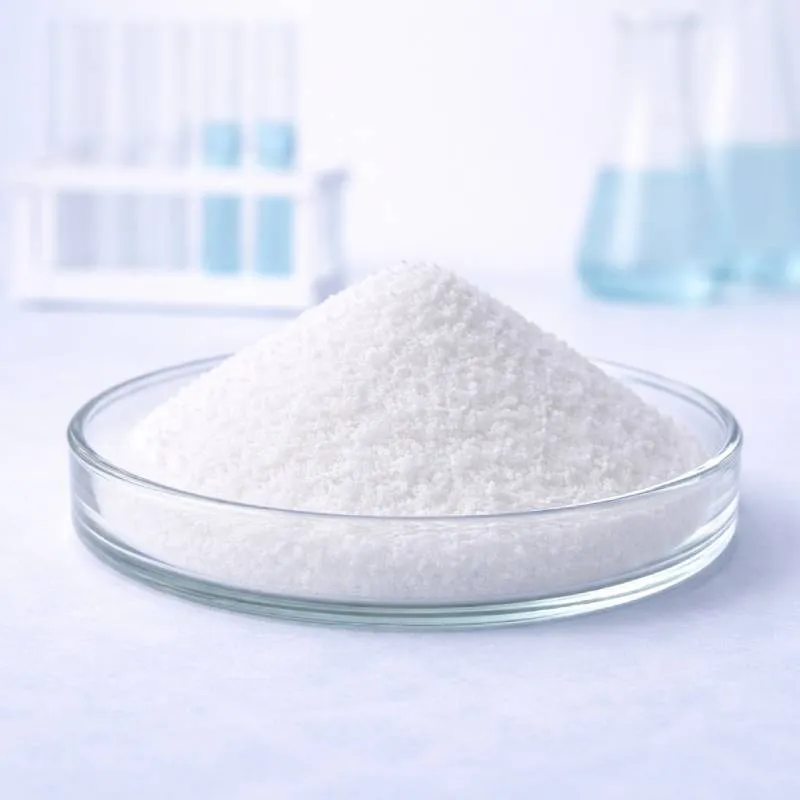
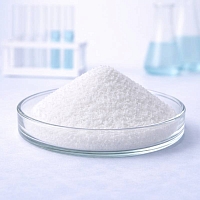
Phenylbenzimidazole Sulfonic Acid, also known as Ensulizole, is a powerful and highly effective water-soluble UV filter used extensively in the cosmetic industry to provide robust protection against UVB radiation. Unlike many oil-based sunscreens that leave a greasy or heavy residue, this component is celebrated for its ability to create lightweight, transparent, and aesthetically pleasing formulations. It appears as a white to off-white crystalline powder and must be neutralized with a base, such as triethanolamine or sodium hydroxide, to become fully soluble and active in the aqueous phase of a product. By absorbing high-energy UVB rays, it prevents sunburn and long-term DNA damage to skin cells, making it a cornerstone ingredient for modern, high-SPF sunscreens and daily-wear photoprotective cosmetics.
Key Properties and Benefits of Ensulizole in Cosmetics
The primary advantage of Phenylbenzimidazole Sulfonic Acid lies in its unique physical and chemical profile, which allows formulators to achieve high SPF values without compromising the sensory experience of the user.
Key properties and benefits include:
-
Excellent UVB Absorption: It offers a high specific extinction coefficient, providing exceptional protection in the 290 to 320 nanometer range.
-
Water Solubility: Being water-soluble after neutralization, it allows for the creation of oil-free or low-oil sunscreens, such as clear gels and lightweight sprays.
-
Non-Greasy Texture: It significantly reduces the stickiness and greasiness often associated with oil-soluble organic filters, improving patient compliance and daily use.
-
Photostability: It is a stable filter that does not degrade rapidly under sunlight, ensuring reliable protection throughout the duration of outdoor exposure.
-
Synergistic Effects: It works perfectly in combination with oil-soluble filters like Avobenzone or Octocrylene to broaden the spectrum of protection and boost the overall SPF rating.
-
Transparency on Skin: Once applied, it leaves no white cast, making it suitable for all skin tones and ideal for "invisible" sun protection products.
Detailed Applications and Fields of Use
Phenylbenzimidazole Sulfonic Acid is a versatile ingredient utilized in a wide array of personal care products, available for professional and amateur crafters worldwide.
Daily Facial Moisturizers and Day Creams: This is a major application area. Because it feels light on the skin, it is frequently incorporated into daily-wear anti-aging creams to protect against the incidental sun exposure that causes premature wrinkling and pigmentation.
Oil-Free Sunscreen Gels: Since it dissolves in the water phase, it is the go-to filter for formulating clear, non-comedogenic sunscreens specifically designed for oily or acne-prone skin types.
Sunscreen Sprays and Mists: Its water-soluble nature makes it easy to incorporate into transparent spray formulas that can be applied quickly and evenly over large areas of the body.
Sports Sunscreens: Used in "water-in-oil" or "oil-in-water" emulsions for athletes because it provides a fresh, breathable feeling even during intense physical activity and sweating.
After-Shave Lotions and Balms: It is added to men’s grooming products to provide a subtle level of protection for the face after shaving, where heavy creams would be undesirable.
Hair Care Products: Occasionally used in hair serums and scalp protectors to shield the hair shaft and sensitive scalp skin from the drying and damaging effects of UVB rays.
Recipe: Lightweight Daily Protective Face Gel (Water-Based)
This recipe demonstrates how to create a refreshing, non-greasy facial gel that provides primary UVB protection using Phenylbenzimidazole Sulfonic Acid.
Ingredients:
-
Seventy-five milliliters Distilled Water (Aqueous Base)
-
Four grams Phenylbenzimidazole Sulfonic Acid (UV Filter)
-
One point five milliliters Triethanolamine (Neutralizing Agent to achieve pH 7.0)
-
Ten milliliters Aloe Vera Gel (Soothing Agent)
-
Five milliliters Glycerin (Humectant)
-
Two grams Carbomer (Thickener/Gelling Agent)
-
One milliliter Cosmetic Preservative (e.g., Phenoxyethanol)
Instructions for Preparation:
First Step — Hydration: Sprinkle the Carbomer over the Distilled Water in a clean beaker. Allow it to sit for approximately thirty minutes until the powder is fully hydrated, then stir gently until a smooth, thin mixture is formed.
Second Step — UV Filter Preparation: In a separate small container, mix the Phenylbenzimidazole Sulfonic Acid with a small amount of water. It will not dissolve yet and will appear cloudy.
Third Step — Neutralization: Slowly add the Triethanolamine to the UV filter mixture while stirring. You will notice the liquid becoming clear as the acid is neutralized and becomes water-soluble. The target pH for the final product should be between 7.0 and 7.5 to ensure stability.
Fourth Step — Phase Integration: Pour the clear, neutralized UV filter solution into the Carbomer gel base. Add the Glycerin and Aloe Vera Gel. Stir thoroughly until the mixture thickens into a uniform, clear gel.
Fifth Step — Completion: Add the cosmetic preservative and stir for another two minutes. Check the final pH with a digital meter or strips. If the gel is too thin, ensure the pH is at least 7.0, as Carbomer and Ensulizole both require neutralization to reach their full viscosity and activity.
Recommendations for Application and Storage:
-
pH Monitoring: The pH is the most critical factor. Phenylbenzimidazole Sulfonic Acid must be neutralized to a pH of 7.0 or higher to remain in solution. If the pH drops below 6.5, the filter may crystallize out of the formula.
-
Usage: Apply the gel to the face twenty minutes before sun exposure. It can be used alone or as a primer under makeup due to its transparent finish.
-
Compatibility: Avoid using this component in formulations with a very high concentration of electrolytes or very low pH actives, such as Vitamin C (Ascorbic Acid), as they can destabilize the gel structure.
-
Storage: Store the finished product in an opaque or UV-protected container in a cool, dry place. While the filter itself is stable, the botanical extracts like Aloe Vera can degrade under direct light.