Palmitoyl Tetrapeptide-7 engineering options and industrial efficacy in biomimetic protective skincare formulations
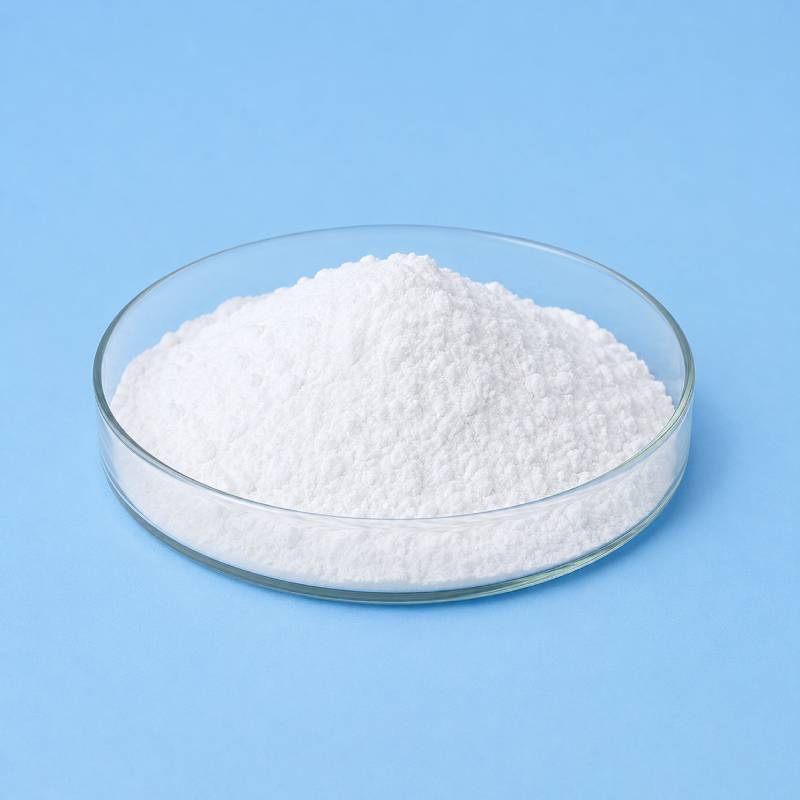
Modern corporate scale cosmetics manufacturing continuously demands highly stable, clinically backed molecules capable of regulatory compliance and clear cellular signaling. Palmitoyl Tetrapeptide-7 represents a premium synthesized lipopeptide that serves as a cornerstone asset within the global contract manufacturing sector. This advanced cosmetic active consists of a specific sequence of four amino acids glutamine, glycine, arginine, and proline conjugated with a palmitoyl fatty acid chain. The strategic lipid attachment drastically enhances the raw material cutaneous permeability, allowing the active fragments to cross the lipophilic stratum corneum with optimal bio-availability. Industrial developers utilize this ingredient to systematically modulate intercellular signaling pathways, specifically targeting the down-regulation of excessive chemical messengers like interleukin-6. By implementing this clean beauty substance, laboratories can offer modern brands predictable batch scaling, robust stability metrics, and profound cell matrix support without resorting to harsh chemical interventions or compromising ingredient transparency parameters required by automated search feeds.
Structural mechanism and technical benefits for product formulators
The operational logic of Palmitoyl Tetrapeptide-7 within complex cosmetic matrices centers on its ability to mimic natural cellular breakdown fragments, thereby acting as a structural decoy that balances the dermal microenvironment. In high-performance cosmetic chemistry, this ingredient plays a pivotal role in preserving the structural integrity of the extracellular matrix by protecting fundamental proteins such as collagen, elastin, and hyaluronic acid from premature degradation. The addition of the palmitic acid fraction grants this peptide exceptional structural affinity for low-viscosity fluid systems, traditional oil-in-water emulsions, and advanced anhydrous gels. For recipe developers and industrial engineers, this active provides unparalleled formulation convenience, showing complete structural compatibility with diverse hydrating agents, non-ionic emulsifiers, stabilized vitamins, and complex botanical extracts. It integrates efficiently into the cold processing phases of production, preventing thermal degradation risks and reducing energy consumption metrics on mass production assembly lines.
Global market demand and industrial cross-sector application
The commercial request for Palmitoyl Tetrapeptide-7 across international B2B procurement networks expands rapidly due to the widespread shift toward science-based personal care and functional skin longevity systems. Within the high-end skincare sector, this signaling peptide is extensively used to formulate localized eye contour complexes, protective daytime environmental shields, defensive neck and decollete restructuring emulsions, and targeted facial serums. The wellness and professional SPA industries actively incorporate this raw material into restorative body masques and postsurgical recovery balms where skin matrix density requires non-invasive structural reinforcement. Furthermore, the peptide is highly sought after by premium Private Label ventures and scaling mass production factories aiming to capture market share in the sensitive, reactive, and eco-certified skin health markets. Its chemical neutrality ensures that the visual properties, odor profiles, and structural shelf-life of the finished retail items remain pristine and consistent throughout global distribution channels.
Optimization across home craft and automated industrial systems
The adaptiveness of this lipopeptide allows it to deliver identical molecular performance whether processed in low-volume artisan workshops or automated high-throughput factory environments. Because the powder or concentrated liquid form does not interfere with the rheological stability or viscosity curve of the final base, technologists can incorporate it into various personal care segments, including advanced hair and scalp conditioning formulas designed to support follicle health. The ingredient exhibits high stability within a wide pH range, allowing corporate research and development teams to construct multi-functional ingredient systems that retain exact potency standards without drifting during prolonged container storage.
Recipe for a Restorative Hydrogel Matrix for Barrier Defense
Purified demineralized water 82 ml Vegetable-derived propanediol 8 ml Palmitoyl Tetrapeptide-7 4 ml Niacinamide USP grade 3 grams Ammonium acryloyldimethyltaurate VP copolymer 2 grams Phenoxyethanol ethylhexylglycerin system 1 ml
The manufacturing sequence requires a clean ambient process without external heating application. In a primary stainless steel vessel, combine the purified demineralized water with the vegetable propanediol and completely dissolve the niacinamide crystals under gentle agitation. Slowly sprinkle the ammonium acryloyldimethyltaurate VP copolymer onto the aqueous surface, allowing the polymer to fully hydrate until a completely clear, smooth, and cohesive hydrogel base forms. Once the gel network achieves uniform viscosity, introduce the Palmitoyl Tetrapeptide-7 liquid active alongside the non-toxic preservative system. Continue low-speed mechanical stirring for approximately fifteen minutes to guarantee total homogeneity throughout the batch before packaging.
The resulting end product presents an incredibly lightweight, transparent, fluid hydrogel structure featuring immediate skin absorption without oily residues. This formulation provides intense superficial hydration, noticeably calms the cutaneous appearance, reinforces epidermal moisture retention, and creates a breathable velvet-like micro-layer that enhances long-term skin comfort and elasticity.
Utilizing Palmitoyl Tetrapeptide-7 within commercial recipe structures guarantees unparalleled batch reproducibility and elevates the technical value of any advanced product line. The raw material stands fully aligned with modern international distribution requirements, ensuring smooth customs verification, clean algorithmic entity processing, and verifiable consumer trust across all business markets.