-
 Absolutes
-
 Active Complexes
-
 Actives & Peptides
-
 Amino Acids & Proteins
-
 Food Flavors
-
 Ayurvedic Ingredients & Herbs
-
 Vitamins & Coenzymes
-
 Chocolate Making Supplies
-
 Thickeners & Gelling Agents
-
 Hydrosols & Floral Waters
-
 Hydrolyzed Proteins
-
 Fragrance Ingredients
-
 Nutraceutical Ingredients
-
 Acids, Salts, Alcohols & Alkalis
-
 Preservatives & Antioxidants
-
 Cosmetic Ingredients
-
 Colorants, Micas & Glitters
-
 Masks, Scrubs & Botanicals
-
 Oils & Butters
-
 Candle Making Supplies
-
 Melt and Pour Soap Bases
-
 Cream, Lotion & Hair Care Bases
-
 Fragrance Oils & Industrial Aromatics
-
 Cleansing Agents & Surfactants
-
 Peeling Actives & Acids
-
 Cosmetic Powders
-
 Solvents & Humectants
-
 Silicones & Conditioning Agents
-
 Bottles, Jars & Vials
-
 Silicone & Plastic Molds, Tools
-
 Botanical Extracts
-
 Cosmetic Emollients
-
 Emulsifiers
-
 Essential Oils
- Forbury Direct Soap Base Wholesale 8
- Stephenson Soap Base Wholesale 31
- Soap Base from England Wholesale 46
- Soap Base Belarus Wholesale 25
- Soap Base Germany Wholesale 6
- Israeli Soap Bases Wholesale 11
- Italian Soap Base Wholesale 5
- Soap base bulk supply 10
- Soap Base Ukrainian Wholesale 20
- Soap Base France Wholesale 14
- Bases for Shampoo, Cream, and Balm Wholesale 63


Soap base bulk supply

 Add to cart




 Subscribe
Bulk volumes for workshops and manufacturing lines
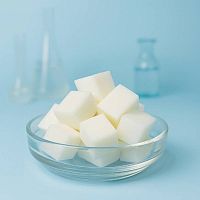
This section covers melt and pour soap base supplied in bulk quantities, sold by the carton, box or pallet rather than single blocks. It suits workshops that need a steady, predictable supply for regular batch production instead of occasional small purchases.
Buyers scaling up from a home workbench to a small manufacturing line often start with lower volumes before moving into this bulk tier once output grows. If your monthly consumption is still modest, the Soap Base from England Wholesale range or the Soap Base Belarus Wholesale line may fit better before stepping up to this larger tier.
Bulk buyers typically value consistent texture and melting behavior across large batches, since even small variation between blocks can affect pouring time and finish quality in a busy workshop.
Base grades and how they differ
Bulk melt and pour bases are not a single uniform product. Formulators choose between clear, opaque and enriched grades depending on the finished bar they want to produce. A clear base gives a glassy look and works well when a manufacturer wants embedded objects or layered colors to remain visible through the surface.
Opaque and enriched grades behave differently on the workshop floor. A base built around goats milk or shea butter tends to pour with a creamier finish and slightly different setting time compared to a plain clear block, which matters when a production line is calibrated around one melting curve. Ranges such as the Soap Base Germany Wholesale line or the Stephenson Soap Base Wholesale range are often compared side by side before a workshop commits to one supply line for a whole production cycle.
Choosing a grade and pairing it with other ingredients
Selection usually starts with the finished bar in mind. A base intended for a solid bar with a dense, compact structure calls for different handling than one meant for a light, aerated texture, which is why products like the Soap base Neri Solid Shampoo 96 kg are chosen specifically for their firmer set.
Beyond the base itself, workshops layer in butters, oils, colorants and fragrance at the melting stage, so consistency of the base directly affects how predictably those additions blend in. Bases built around plant extracts, such as the Neri Aloe Soap Base 96 kg, the Neri Soap Base Goats Milk 96 kg or the Neri Shea Soap Base 96 kg, are frequently blended with complementary bases from other lines to balance clarity, hardness and lather across a single product range.
Buyers comparing European supply lines against each other often look at the Soap Base France Wholesale and Italian Soap Base Wholesale ranges to decide which melting profile fits their existing molds and pouring equipment best.
Origin, storage and planning ahead
Bases sold under this bulk tier include material of Ukrainian origin, which for many local workshops shortens planning time around customs and delivery compared to sourcing exclusively from abroad.
Bulk blocks and cartons should be kept in a dry, moderate temperature space away from direct sunlight, since heat and humidity can soften blocks before they even reach the cutting table. For a workshop ordering by the pallet, planning storage space in advance matters as much as choosing the right grade, since large volumes left in poor conditions lose consistency faster than a single block would.
FAQ
What is the difference between bulk soap base and standard blocks
Bulk soap base is sold by carton, box or pallet instead of single blocks, giving workshops a steady supply for regular batch production. The base itself is the same melt and pour material, only the packaging and order quantity scale up for manufacturing lines.
How should large quantities of melt and pour base be stored
Keep cartons sealed and stacked in a cool, dry area away from direct sunlight and heat sources, since warm conditions can soften blocks before use. Rotating older stock first helps maintain consistent texture and melting behavior across production batches.
Can clear and opaque bulk bases be mixed in the same production run
Yes, many workshops combine both grades to create layered or marbled bars, since clear base shows embedded objects while opaque base hides them. Melting temperatures are similar enough that switching between grades within one session is straightforward.
What volume of soap base counts as bulk for a small manufacturing line
Bulk typically starts once a workshop moves beyond individual blocks into cartons or boxed quantities meant for repeated, predictable production runs. Buyers with lower monthly consumption often start with smaller wholesale ranges before scaling into this tier.
Recommendations
When choosing a bulk soap base order, match the grade to your finished product first: clear for layered or transparent designs, opaque for solid colors, enriched for added skin conditioning. Check how consistent melting behavior needs to be across your batch size, since larger production runs are less forgiving of texture variation between blocks. If your monthly volume is still growing, start with a smaller carton order before committing to pallet quantities. Reach out by email to discuss the right base and volume for your workshop.



