Why chokeberry oil deserves a place in modern skincare formulations
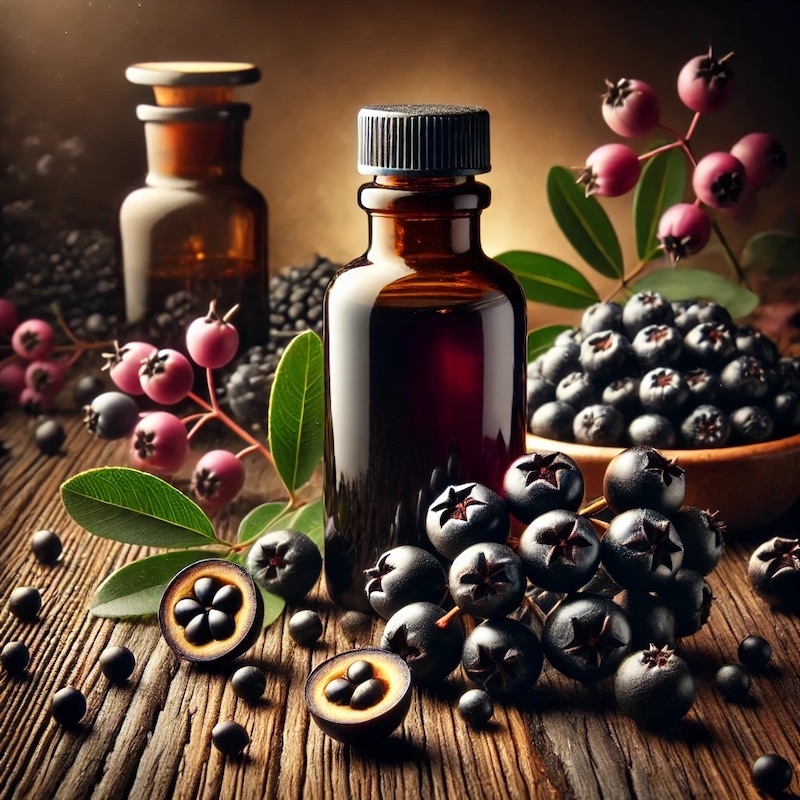
Chokeberry oil is cold-pressed from aronia berry seeds, which allows it to retain a dense complex of fatty acids, natural antioxidants and bioactive compounds prized in skincare formulation. This product belongs to the category of liquid basic oils, which brings together carrier oils used across skin and hair care, and within that lineup it stands out as one of the more concentrated antioxidant-rich options. The 10 ml format is well suited for home formulators and small trial batches, where precise dosing and economical use matter most.
The primary application of chokeberry oil lies in home and small-batch facial and body care: creams, serums, emulsions and oil blends aimed at mature or fatigued skin. It is valued for supporting skin elasticity, softening and nourishing the surface, and contributing to protection against environmental stressors thanks to its tocopherol and polyphenol content. In hair care, chokeberry oil is added to masks and conditioners to boost shine and reinforce strand structure. Beyond cosmetics, a substantial share of global demand comes from the food and nutraceutical industry, where aronia seed oil is used as a natural antioxidant source in functional foods and encapsulated dietary supplements.
The oil blends readily with other carrier oils and can be introduced during cold mixing, without heating, to preserve its active compounds. Recommended usage in cosmetic formulations ranges from 3 to 10 percent of the total blend, depending on the desired texture and product purpose. To enhance the antioxidant profile, chokeberry oil is often paired with milk thistle oil, and combined with flaxseed oil, rich in omega-3 fatty acids, to build a balanced nourishing base for creams and serums. Another effective pairing is with unrefined sea buckthorn oil, a combination frequently used in restorative formulations for dry and sensitive skin.
Store chokeberry oil in a tightly sealed container, in a cool dark place away from direct sunlight and heat sources to prevent oxidation of the fatty acids. Once opened, use the product within a few months while maintaining proper storage conditions. When working with the oil in a production setting, avoid contact with metal containers that may accelerate oxidative processes - glass or quality plastic vessels are preferable.
Restorative facial oil blend for tired skin
Chokeberry oil 6 ml
Milk thistle oil 8 ml
Flaxseed oil 5 ml
Vitamin E 2 ml
Combine all oils at room temperature in a small glass container, stirring gently with a glass rod until fully blended, then add the vitamin E and mix once more. Transfer the finished blend into a dark glass bottle fitted with a dropper, store away from light, and apply a few drops to cleansed skin in the evening, gently pressing it in with fingertips until absorbed.
Listed under the INCI name Aronia melanokarpa.
FAQ
How is chokeberry oil extracted and how does the method affect quality?
Chokeberry oil is cold-pressed from aronia berry seeds. This method helps retain the natural profile of the raw material. Details on the process for a specific lot are available in the specification on request.
What is the comedogenic rating of chokeberry oil?
No specific comedogenic rating is stated for this chokeberry oil.
What is the difference between refined and unrefined chokeberry oil?
This product is 100% natural raw material with characteristic odor.
How do color and odor of chokeberry oil vary between lots?
Color and odor of chokeberry oil show natural variation. Current lot characteristics are listed on the label or in the accompanying documentation.