Why Amazonian Murumuru Butter Deserves a Spot in Hair and Skin Formulas
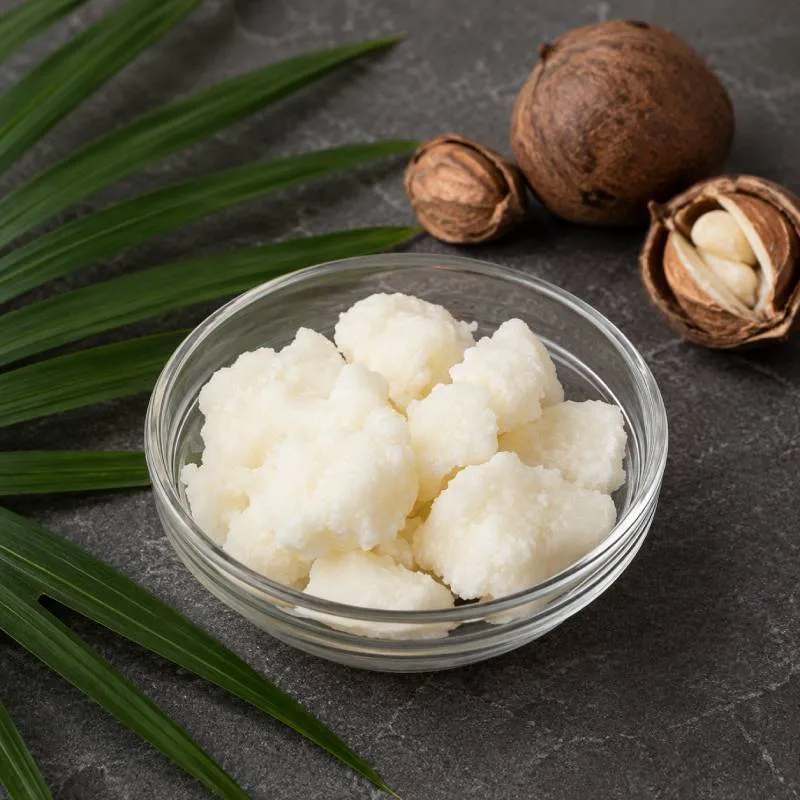
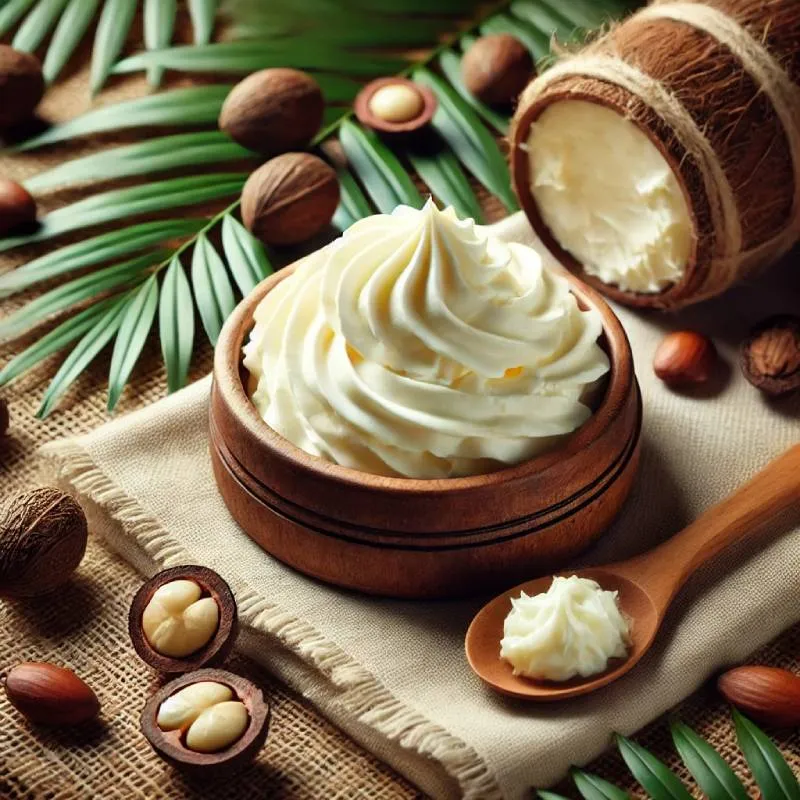
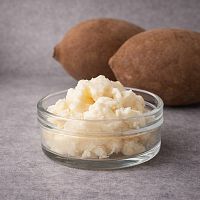
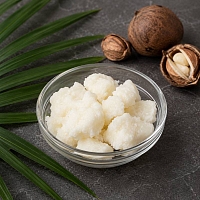
Murumuru butter comes from the seeds of a palm tree native to the Amazon basin, and it has become a genuinely global ingredient in hair care rather than a niche curiosity. Brands across Brazil, the United States and Europe rely on it for conditioners, leave-in treatments, styling creams and repair masks because its rich fatty acid profile smooths the hair cuticle and helps tame frizz in humid conditions. This particular item belongs to the Butters section, and the compact 10 gram size is perfectly suited for a first trial batch or a small formulation test before committing to larger volumes.
Beyond hair treatments, murumuru butter is a common choice for lip balms, body creams, stretch mark products and formulas aimed at dry, dehydrated skin. It has a fairly high melting point but glides on quickly once it meets warm skin, leaving a light, non-greasy finish rather than a heavy film. That property makes it a practical ingredient for stick-based products such as solid balms, cream sticks and massage bars. In formulations it should be added during the oil phase while melting the base at roughly 60-70 degrees Celsius alongside other hard butters and waxes. Typical usage rates in cosmetic emulsions range from 3 to 15 percent depending on the texture and finish you want to achieve.
Murumuru butter blends well with other plant-based fats, and pairing it with unrefined palm oil can add extra body and richness to a finished bar or cream. For smaller test batches, the reduced quantity found in unrefined palm oil 50 g keeps proportions accurate without leftover raw material sitting on the shelf. In dessert-inspired cosmetic bars and scented candle work, formulators sometimes combine murumuru with cocoa mass to build a dense, satisfying texture for both decorative skincare and candle projects.
Outside of personal care, murumuru butter also appears in food industry applications as part of chocolate-equivalent fat blends and confectionery formulations, and in candle making, where its firm structure at room temperature is valued for stability. Store it in a dry, cool spot away from direct sunlight in a tightly sealed container; higher temperatures can soften the butter temporarily, but it regains its original texture once cooled back down.
The small 10 gram size makes this an easy way to test the butter in a first lip balm or cream sample before scaling up to a larger production run.
Trial Size Repair Lip Balm
Murumuru butter 10 g
Beeswax 7 g
Sweet almond oil 8 g
Castor oil 5 g
Vitamin E 0.5 ml
Melt the murumuru butter and beeswax together in a double boiler at around 65 degrees Celsius until fully liquid, stirring gently. Remove from heat, add the sweet almond oil, castor oil and vitamin E, mix thoroughly until the blend looks uniform, then pour into small lip balm tubes or tins and let the mixture set undisturbed at room temperature for about 30 minutes before use.
FAQ
What is the comedogenic rating of Murumuru Butter?
The rating is not listed in the provided characteristics.
Which documents are available for Murumuru Butter, such as COA and specification?
Current documents for this product are listed in the «Documents» block of the product card.
How is Murumuru Butter extracted and what is the effect on quality?
The product is supplied as a solid butter in 10 gram packaging.
What is the shelf life of Murumuru Butter and how to recognize rancidity?
Shelf life is stated until 10.2028 under proper storage in a dry cool place in a tightly closed container away from light. Check the label for the usable until date and any changes in odor.